Lead-Safe Painting vs. Lead Abatement: What Homeowners Should Know
Last Updated: May 28, 2026
Lead paint terminology can be confusing, especially if you own an older home and are trying to figure out what kind of help you actually need. You may hear terms like lead-safe painting, lead-safe renovation, RRP, lead testing, and lead abatement, but they do not all mean the same thing.
Lead-safe painting focuses on safely disturbing and containing possible lead-based paint during renovation or repainting work, while lead abatement is a separate process intended to permanently eliminate or reduce lead hazards. Knowing the difference can help homeowners ask better questions, avoid unnecessary confusion, and choose the right next step for their situation.
Why Homeowners Often Confuse Lead-Safe Work and Lead Abatement
Homeowners often confuse these terms because both deal with lead paint and older homes. The difference is the purpose of the work. Lead-safe renovation practices are used when painted surfaces may be disturbed during a project such as repainting, repair, or remodeling. Abatement is specifically focused on addressing lead hazards as the main goal of the project.
The confusion gets worse because people sometimes use the terms loosely. A contractor may say “lead-safe” when they mean certified renovation practices, while a homeowner may assume that means the lead problem is being permanently removed. That is not always the case. The words matter because they describe different scopes of work.
What Lead-Safe Painting Means
Lead-safe painting or renovation work involves certified practices designed to reduce the spread of lead dust and debris when older painted surfaces are disturbed. This is especially relevant in homes built before 1978, when lead-based paint may be present. EPA recommends that homeowners planning renovation, repair, or painting projects in pre-1978 homes hire a lead-safe certified contractor trained in lead-safe work practices.
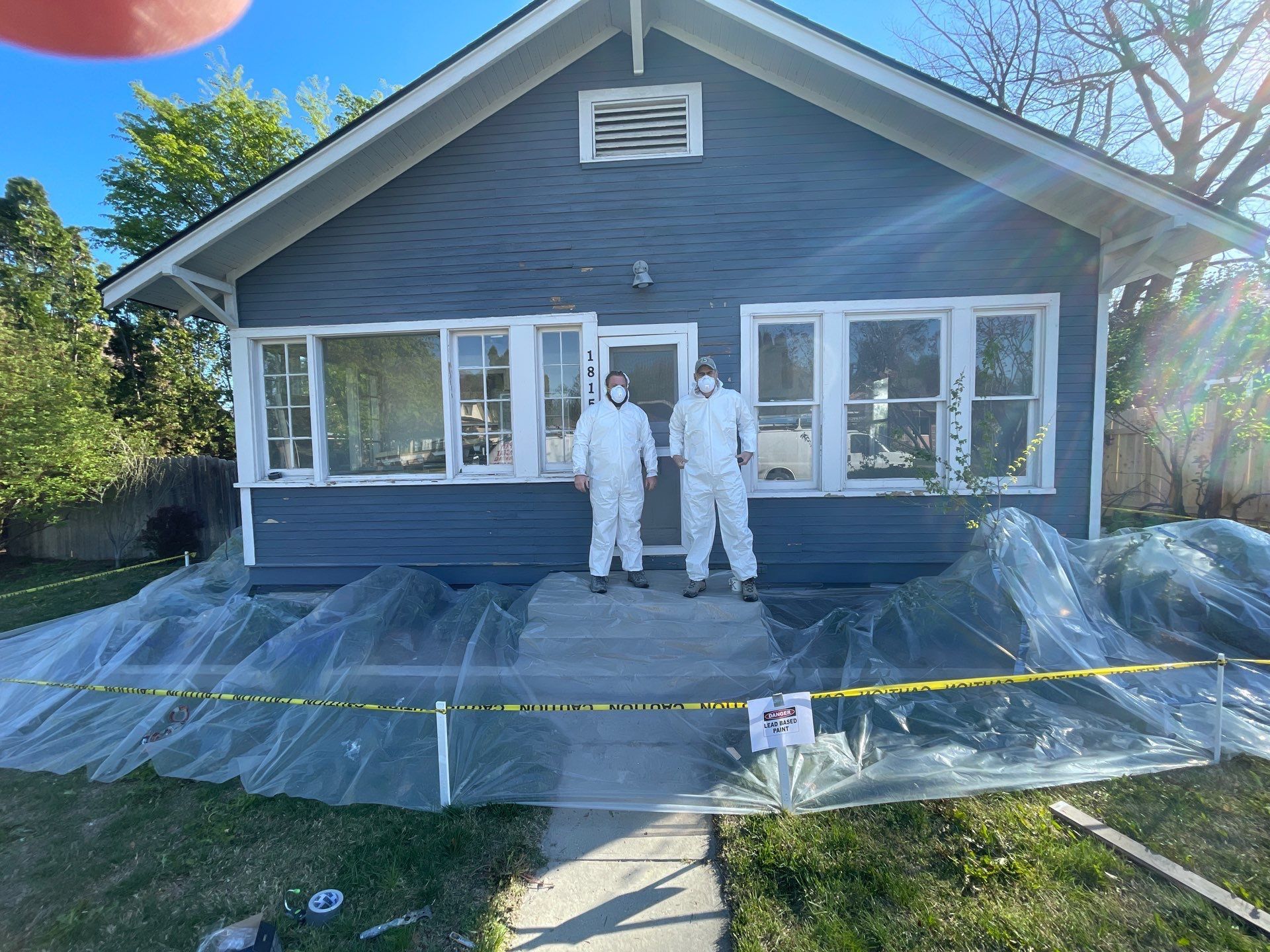
In practical terms, lead-safe work is about how the project is handled. That may include setting up containment, using careful work methods, minimizing dust, cleaning thoroughly, and following procedures that reduce exposure risks. The goal is to complete the repainting or repair work safely while limiting the spread of lead-containing dust or debris.
What Lead Abatement Means
Lead abatement is different because the purpose is to permanently eliminate or reduce lead-based paint hazards. EPA describes abatement as a specialized activity designed to address lead in the home, while renovation, repair, and painting work often disturbs paint as a result of a project that is not primarily about lead removal.
Abatement may involve more specialized testing, risk assessment, removal, enclosure, replacement, or other methods intended to deal with the hazard itself. It is a different type of service with a different goal. If a homeowner’s main concern is permanently addressing a known lead hazard, a lead abatement specialist or risk assessor may be needed.
The Difference Comes Down to the Goal of the Work
The simplest way to understand the difference is to ask what the project is trying to accomplish. If the goal is to repaint, repair, or renovate an older painted surface while controlling lead dust and debris, lead-safe renovation practices may be the appropriate approach.
If the goal is to permanently remove or reduce a lead hazard itself, that is closer to abatement. Lead-safe painting helps manage risk during work that disturbs painted surfaces. Lead abatement is focused on the lead hazard as the primary problem. That distinction helps homeowners avoid expecting one service to do the job of the other.
When Lead-Safe Painting Practices May Be the Right Fit
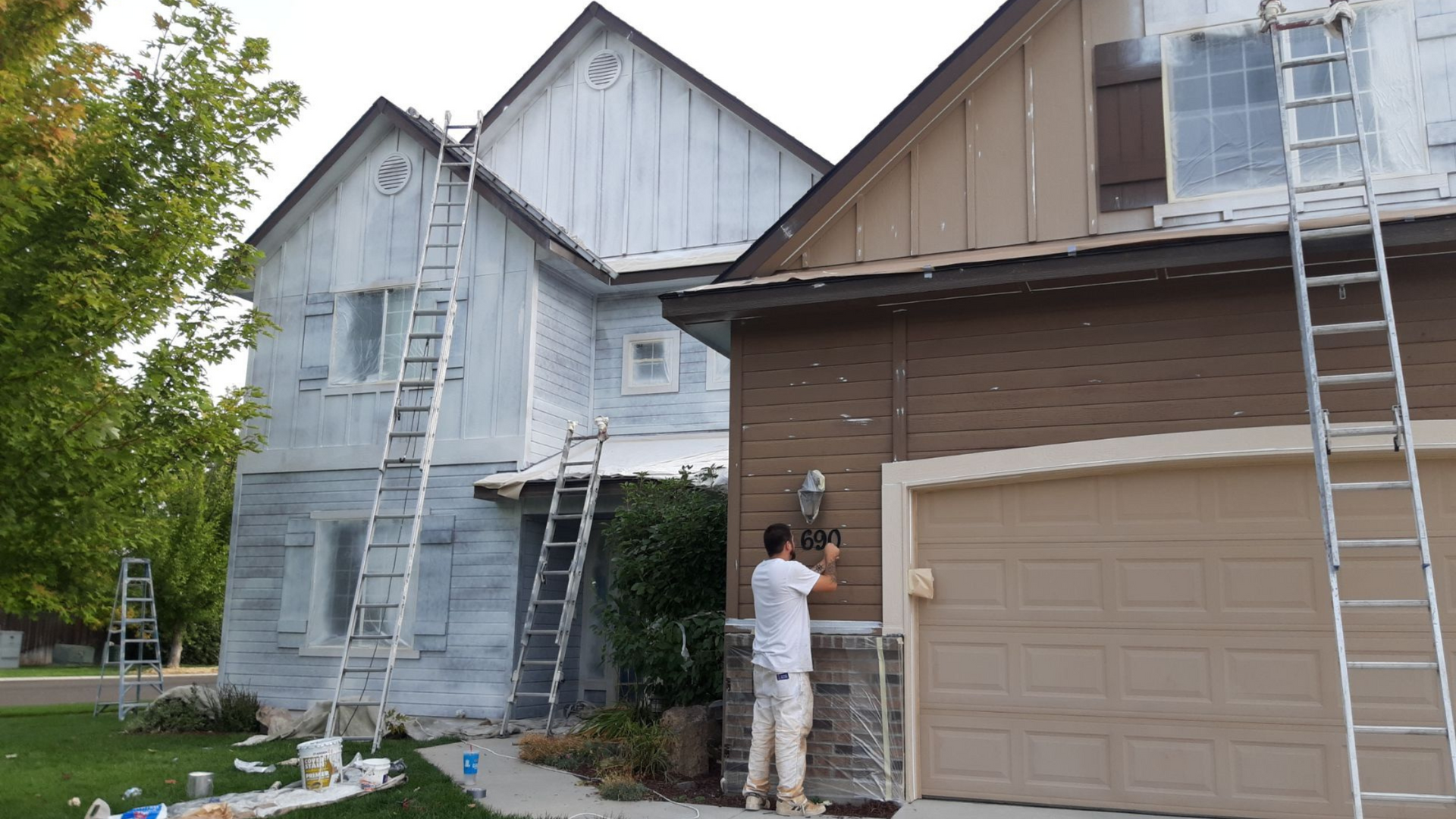
Lead-safe painting practices may be appropriate when an older home needs repainting, repair, or surface preparation that could disturb existing paint. This can include scraping loose paint, sanding, repairing trim or siding, replacing damaged sections, or preparing surfaces for a new finish.
For example, if you own an older home and the exterior paint is peeling or the trim needs repair before repainting, the concern is not just how the finished paint will look. The concern is also how the old paint is disturbed during prep. Lead-safe practices help reduce dust and debris during that process, which is why they matter before the first coat of paint ever goes on.
When a Homeowner May Need More Than Lead-Safe Painting
Lead-safe painting is not the answer to every lead-related concern. If there is a known lead hazard, a child has tested with elevated blood lead levels, or there are serious concerns about widespread contamination, homeowners may need additional testing, a risk assessment, or a more specialized abatement approach.
This does not mean every older home automatically needs abatement. It means the right next step depends on the condition of the home and the reason for concern. If the project is normal repainting or repair, certified lead-safe renovation practices may be the right fit. If the concern is eliminating a confirmed hazard, a lead abatement professional may need to be involved.
Why Containment and Cleanup Matter So Much
The biggest concern during lead-related repainting or repair work is often not the painted surface sitting undisturbed. The risk increases when old paint is scraped, sanded, cut, or otherwise disturbed, because that work can create dust and debris. EPA notes that renovation, repair, and painting activities can create hazardous lead dust when surfaces with lead paint are disturbed.
That is why containment and cleanup are such an important part of lead-safe work. The goal is to keep dust and debris from spreading into other areas of the home or property. Careful setup, controlled work methods, and thorough cleanup help reduce exposure risks for the people living in the home.
Why Lead Paint Projects Require a Different Approach
Projects involving possible lead paint cannot be treated like standard prep and repaint work. On a typical repaint, the main concerns may be adhesion, surface repairs, and finish quality. When lead-based paint may be present, the process also has to account for dust control, containment, cleanup, and certified work practices.
That does not mean the project has to feel overwhelming. It simply means the work needs to be approached differently from the start. A contractor should understand when lead-safe practices are required, how to reduce dust, and how to protect the home during the process.
Older Boise Homes May Raise More Questions About Lead Paint
Some older Boise-area homes may still have layers of old paint beneath newer coatings. Even if the visible paint looks newer, older layers underneath can become a concern when surfaces are scraped, sanded, repaired, or otherwise disturbed.
For homeowners in established Boise neighborhoods, it is worth thinking about the age of the home before starting exterior or interior painting work. EPA notes that if a home was built before 1978, it may have lead-based paint, and the older the home is, the more likely lead-based paint may be present.
Get Clear Guidance on the Right Next Step
If you are unsure whether your project calls for lead-safe painting practices, additional testing, or a different kind of specialist, the best next step is to start with an honest evaluation of the work being planned. The goal is to understand whether painted surfaces will be disturbed and whether the home’s age or condition raises lead paint concerns.
Spray ’n Coat Painting helps homeowners approach repainting and repair work with the right level of care, including certified lead-safe practices when appropriate. If you are planning work on an older Boise-area home and want clear guidance before moving forward, reach out to request an evaluation or consultation.