Professional Cabinet Painting vs. DIY: What Lasts Longer?
Last Updated: July 6, 2026
Painting kitchen cabinets can seem like a manageable DIY project at first. The cabinets are already there, paint is easy to buy, and the project looks straightforward in online tutorials. But cabinets are not like walls. They are touched every day, cleaned often, exposed to grease and moisture, and used in some of the busiest areas of the home.
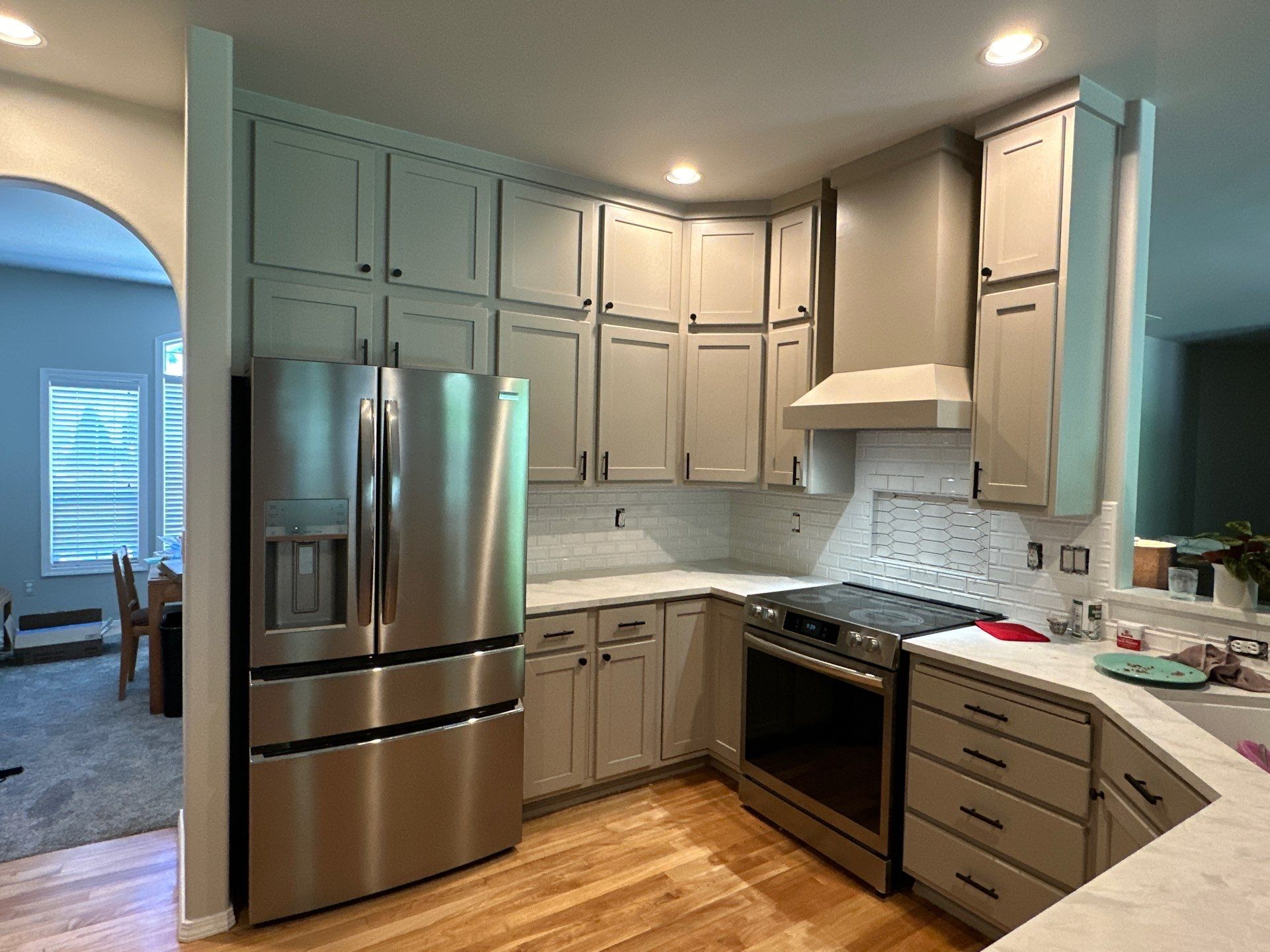
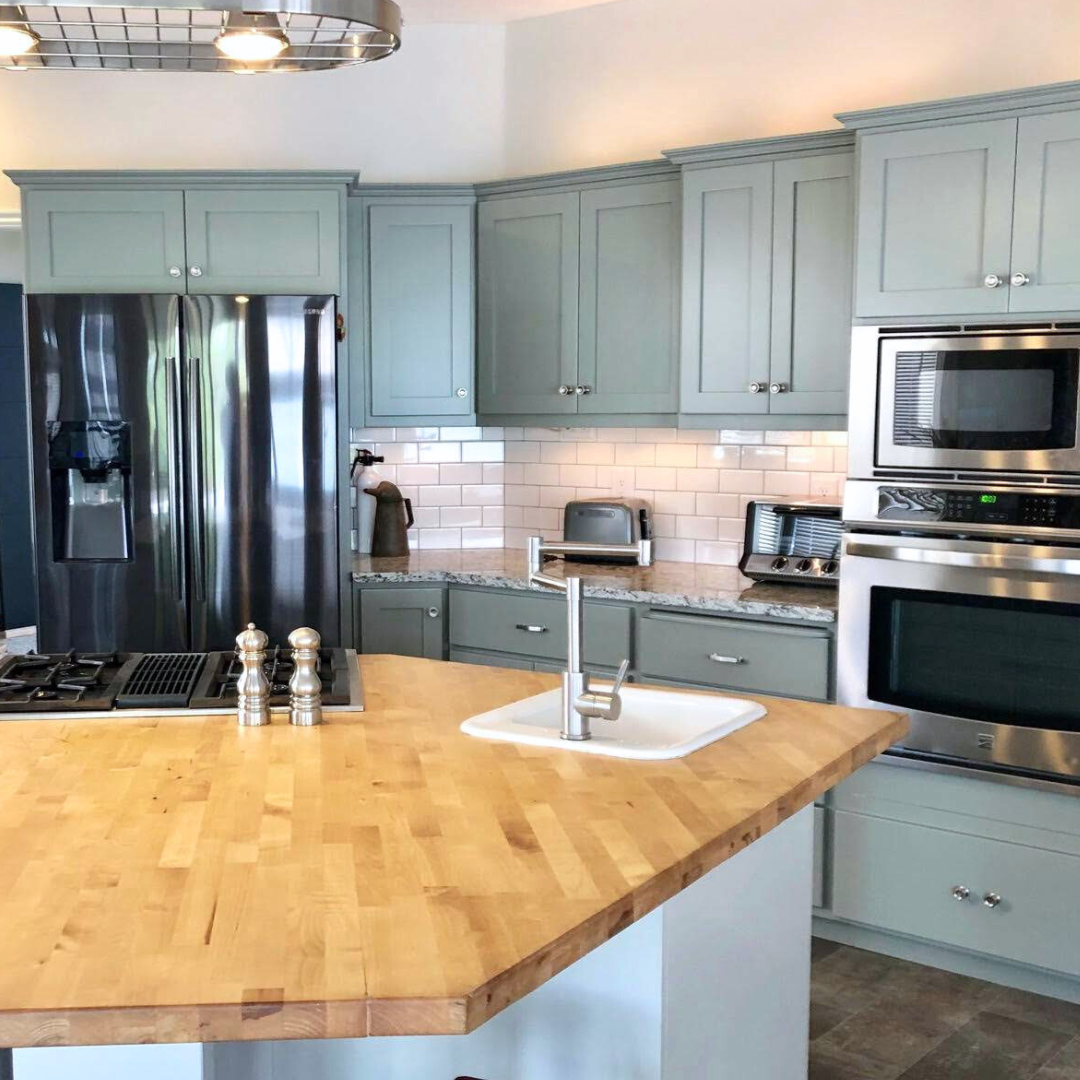
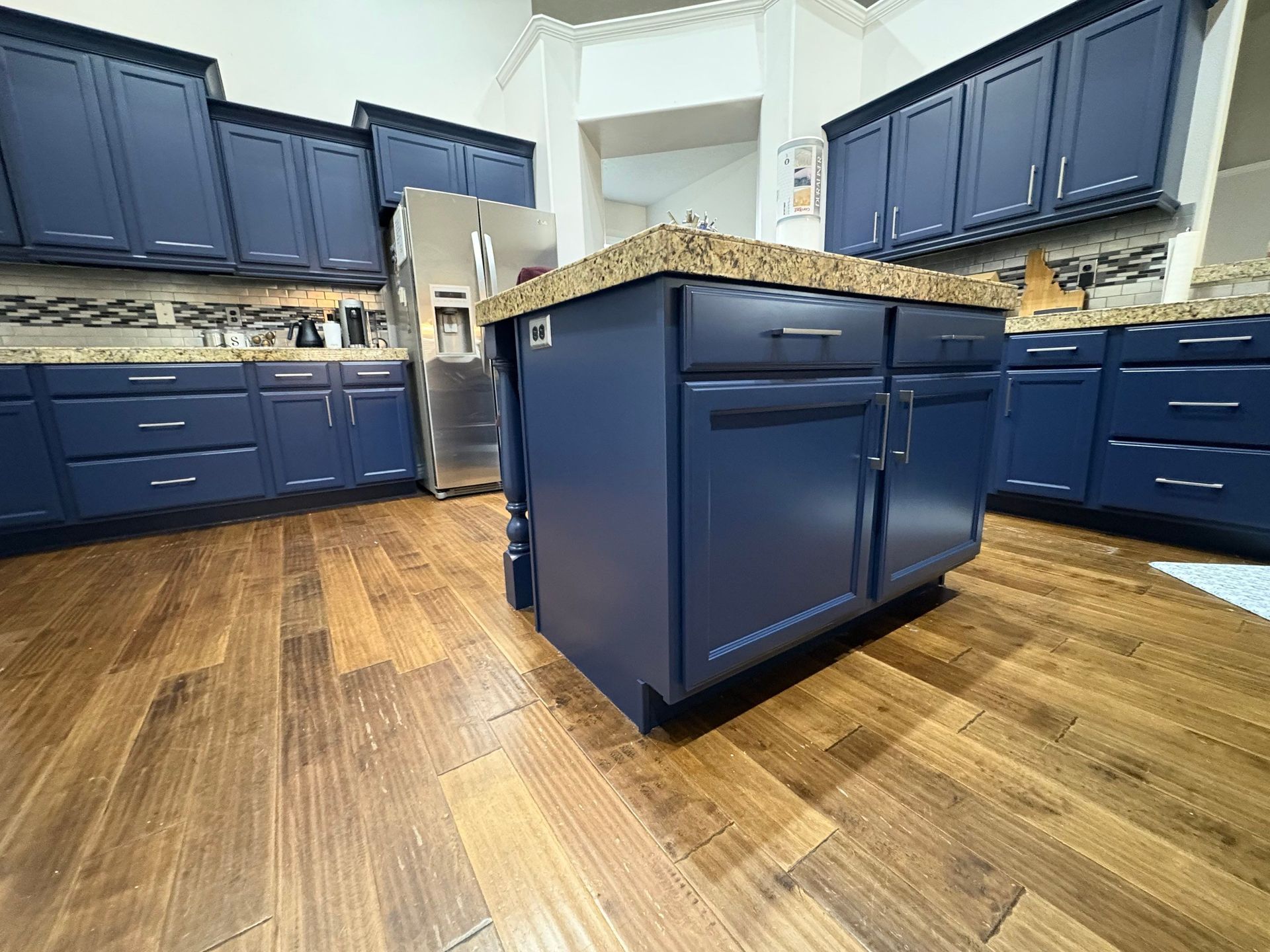
Professional cabinet painting usually lasts longer than DIY because the process relies on better preparation, cabinet-grade coatings, proper application, and controlled curing. A DIY project can improve the look of cabinets for a while, but the difference often shows up later in the form of chips, peeling near handles, uneven sheen, brush marks, or a finish that starts wearing down sooner than expected.
Why Cabinets Are Harder to Paint Than They Look
Cabinet painting is one of those projects where the surface seems simple until you think about how it is used. Cabinet doors and drawer fronts are opened, closed, wiped down, bumped, and touched constantly. Around handles and pulls, the finish has to stand up to repeated contact from hands, cooking residue, and cleaning products.
That level of use makes cabinets much different from interior walls. A wall paint may look fine in a low-contact room, but cabinet surfaces need a finish that can handle daily wear without feeling sticky, soft, or easy to scratch. This is where many DIY projects struggle. The cabinets may look better at first, but the finish may not be built for the way the kitchen actually functions.
The Biggest Difference Is Preparation
Preparation is where most cabinet painting projects succeed or fail. Cabinets collect grease, oil, dust, fingerprints, food residue, and cleaning product buildup over time. If those contaminants are not fully removed, paint may not bond properly.
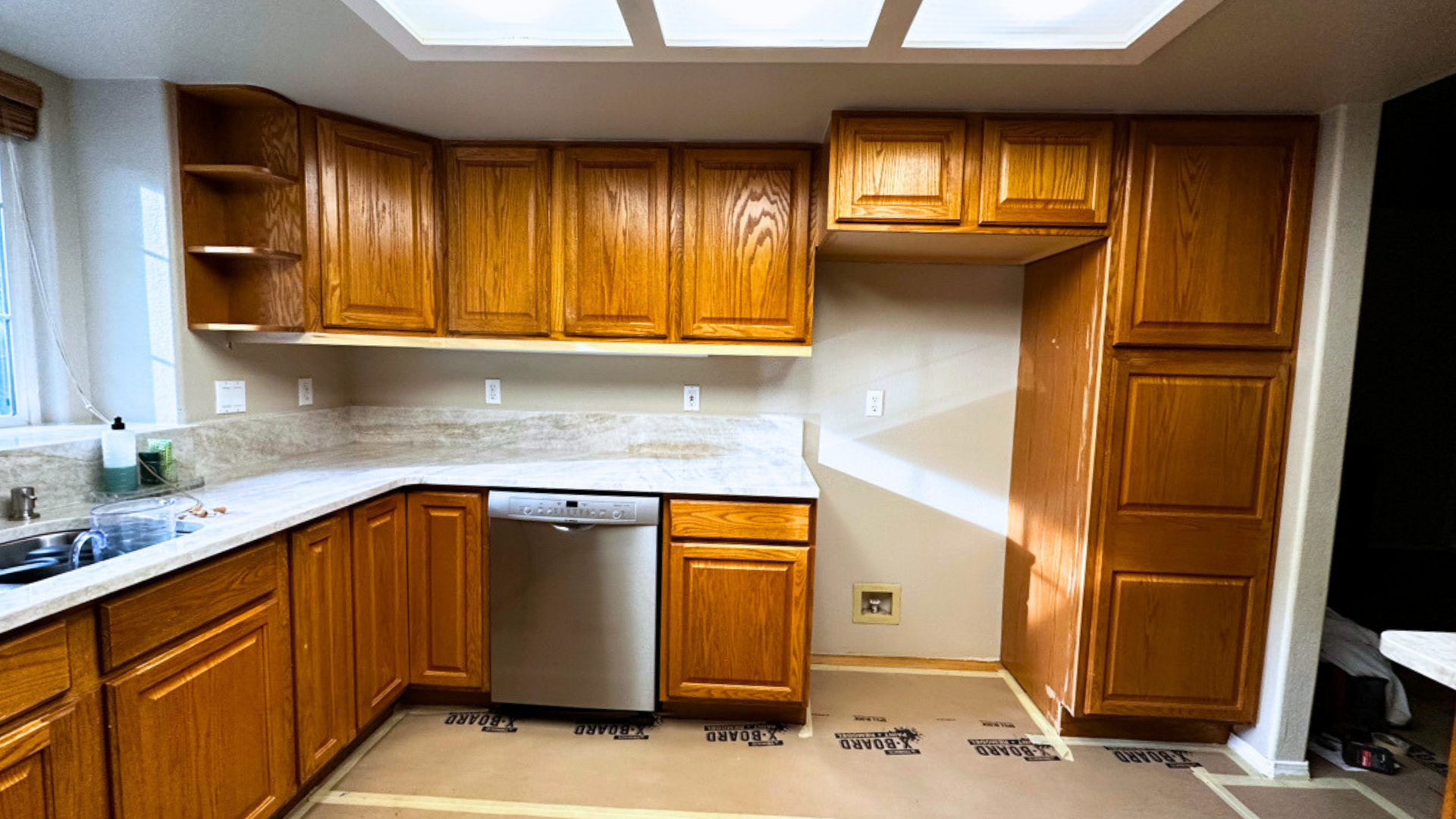
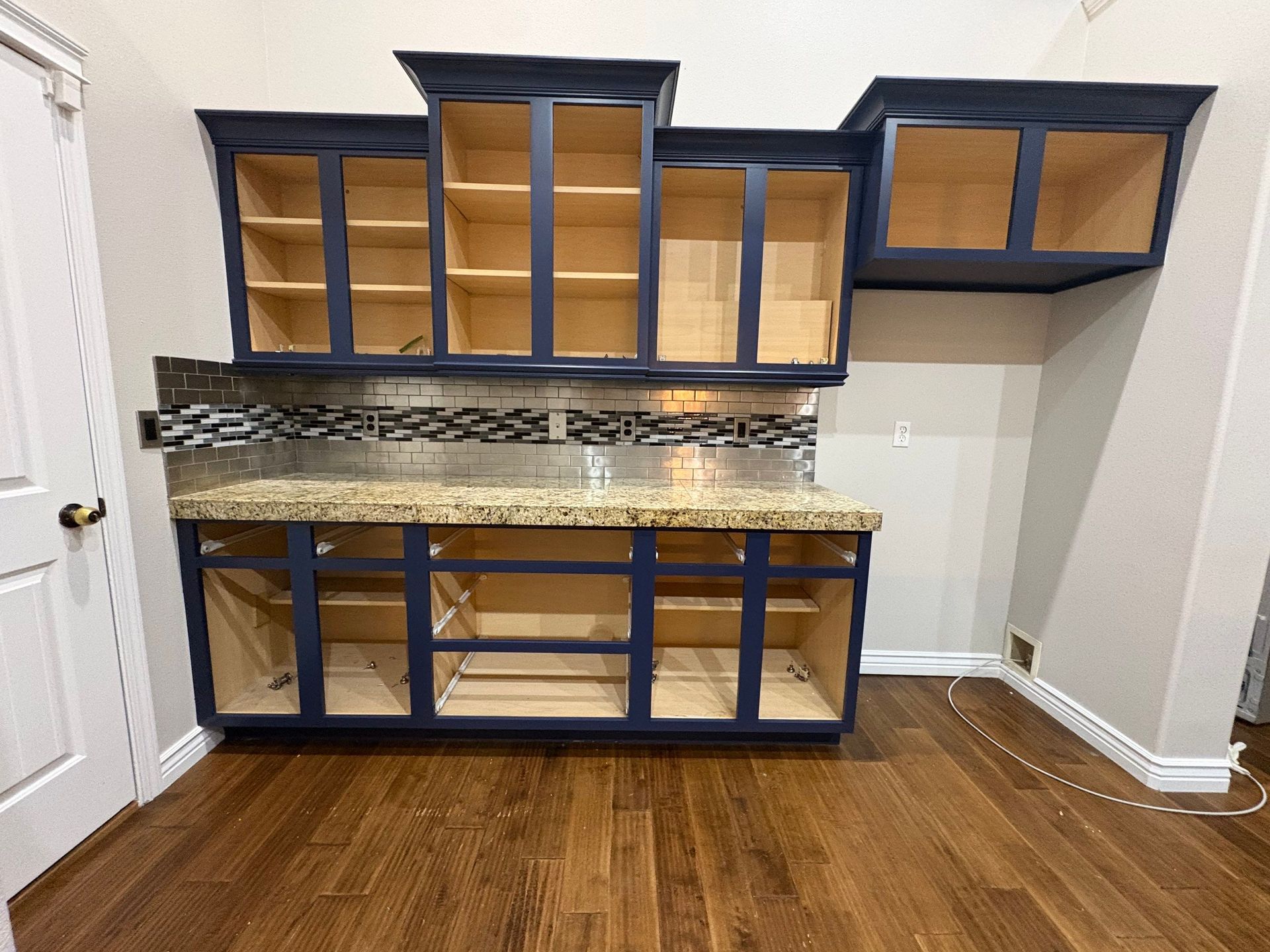
A professional cabinet painting process typically includes removing doors and drawers, cleaning and degreasing surfaces, sanding or scuffing to create proper adhesion, repairing small imperfections, and applying the right primer before finish coats. These steps take time, but they create the foundation for a smoother and longer-lasting result.
DIY projects often fail because prep is rushed or underestimated. Skipping degreasing, sanding too lightly, using the wrong primer, or painting over a glossy surface can all lead to early chipping and peeling. The finish may look acceptable for a few weeks, but weak adhesion usually becomes obvious in high-use areas first.
Cabinet-Grade Coatings Matter
The paint used on cabinets matters just as much as the color. Standard wall paint is not designed for cabinet doors and drawer fronts. It may remain too soft, show fingerprints, scuff easily, or struggle with regular cleaning.
Professional cabinet painters use products made for cabinetry and high-touch surfaces. These coatings are designed to dry harder, level more smoothly, and resist wear better than typical wall paint. The right primer also matters because it helps the coating bond to the cabinet surface and can reduce issues like tannin bleed, staining, or peeling.
For Boise-area homeowners, durability matters because kitchens are used year-round and often see changing humidity, cooking activity, and daily household traffic. A finish that is not properly bonded or fully cured can start showing wear much sooner than expected.
Application Quality Affects the Final Look
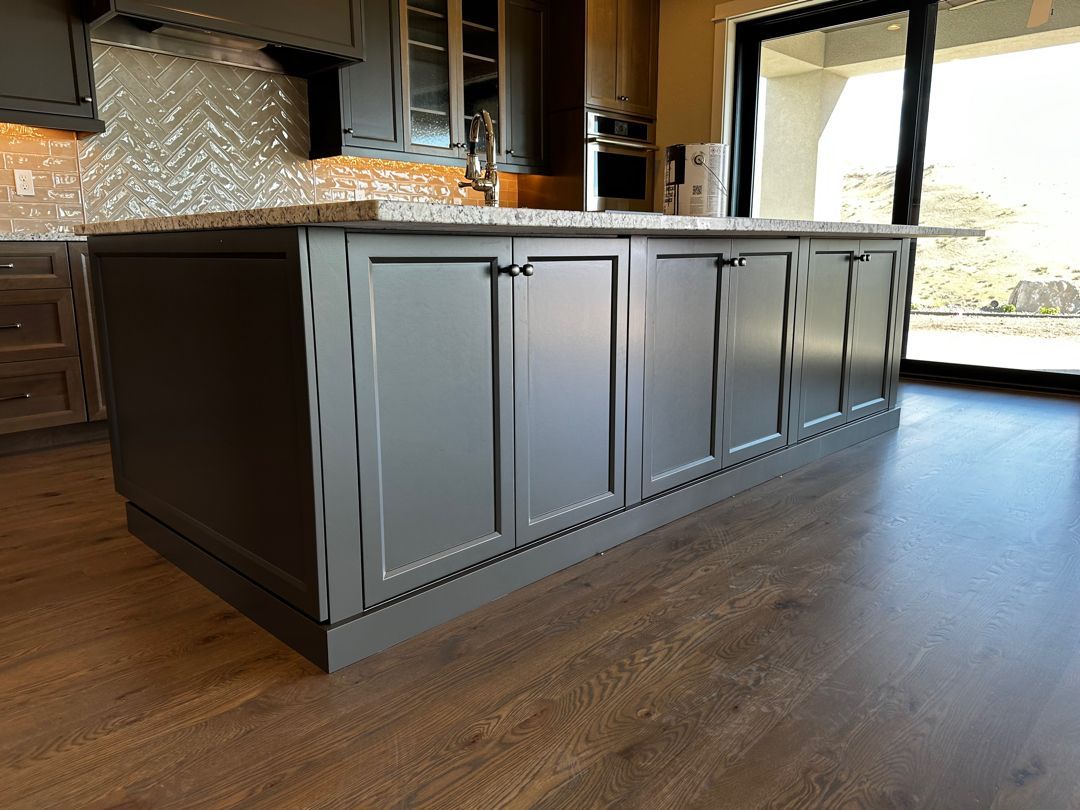
A major reason homeowners choose professional cabinet painting is the finished appearance. Brush marks, roller texture, drips, heavy edges, and uneven coverage can make cabinets look painted rather than refinished. That may be acceptable for some DIY projects, but it usually does not create the smooth, polished look homeowners expect from a kitchen update.
Professional cabinet painters often use spray application for doors and drawer fronts because it creates a smoother, more even finish. The setup also matters. Doors need to be removed, labeled, prepped, sprayed, dried, and reinstalled carefully so the finished kitchen looks consistent.
This level of control is difficult to recreate in a garage or kitchen with basic tools. Even a careful DIY painter may struggle with dust, uneven drying, limited workspace, and inconsistent application.
Curing Time Is Easy to Underestimate
Cabinet paint does not reach full durability the moment it feels dry to the touch. Many coatings need time to cure, which means the finish continues hardening after application. During that period, cabinets can be more vulnerable to scratches, sticking, or dents if they are handled too aggressively.
DIY projects often run into trouble because homeowners need their kitchen back quickly. Doors get reinstalled too soon, drawers are used before the finish is ready, or cleaning starts before the coating has fully hardened. That can shorten the life of the finish before it ever has a fair chance to perform.
Professional painters plan around cure time and product requirements. That helps reduce early damage and gives the finish a better chance to hold up under normal kitchen use.
DIY Cabinet Painting Can Work, But Expectations Matter
DIY cabinet painting is not always a bad idea. If the cabinets are in a low-use area, the homeowner has time to prep carefully, and expectations are realistic, it can be a reasonable project. It may be especially appealing for a temporary refresh or a budget-conscious update where a perfect finish is not the goal.
The challenge is that kitchens are high-use spaces. A DIY finish that looks good in photos may not hold up well to daily cooking, cleaning, and handling. Homeowners should be honest about the time, tools, skill, and patience required before starting. Cabinet painting is not a one-day project if the goal is a finish that looks clean and lasts.
When Professional Cabinet Painting Is Worth It
Professional cabinet painting is usually worth considering when the cabinets are in good structural condition and the main issue is the color, finish, or dated appearance. If the layout works and the cabinet boxes are solid, painting can make the kitchen feel much newer without the cost and disruption of replacement.
It is also worth hiring a professional when the kitchen is highly visible, heavily used, or being updated before selling. A smoother, more durable cabinet finish can improve the overall impression of the kitchen and help the space feel more complete. For many Boise homeowners, that balance of appearance, durability, and lower disruption is the main reason cabinet painting makes sense.
Signs a DIY Cabinet Job May Not Hold Up
Some cabinet paint problems show up quickly, while others take a few months of use. Watch for early signs that the finish may not be performing well:
- chipping or peeling around handles and edges
- sticky or soft surfaces after drying
- brush marks, roller texture, or uneven sheen
- paint wearing down where doors and drawers are touched often
- trouble cleaning the surface without dulling or damaging it
These issues usually point back to prep, product choice, application, or cure time. Once they appear, fixing them often requires more than a simple touch-up.
Professional Results Come From the Whole Process
The difference between professional cabinet painting and DIY is not just who holds the brush or sprayer. It is the full process. Cabinets need to be cleaned, sanded, primed, coated, cured, and reassembled with care. Each step affects how the finish looks and how long it lasts.
Spray ’n Coat Painting helps homeowners throughout Boise, Nampa, Meridian, and the Treasure Valley update their kitchens with professional cabinet painting and refinishing. If your cabinets are structurally sound but look worn, dated, or difficult to keep clean, request an estimate or consultation to learn whether professional cabinet painting is the right fit for your home.