Can Power Washing Damage Siding or Exterior Paint?
Power washing can make the outside of a home look much cleaner, but many homeowners wonder if it can also cause damage. It is a fair concern. Used the wrong way, high-pressure water can strip paint, force moisture behind siding, or damage vulnerable exterior surfaces.
Power washing can damage siding or exterior paint when the pressure, angle, or technique is wrong, but when done properly, it can be a safe and effective part of exterior maintenance. The key is understanding the condition of the home and choosing the right cleaning approach for the surface.
Power Washing Can Be Helpful, but It Is Not Risk-Free
Power washing is useful because exterior surfaces collect dirt, dust, pollen, mildew, cobwebs, and general buildup over time. Removing that buildup can improve curb appeal and help homeowners see the true condition of the siding, trim, and paint.
The results depend heavily on how the washing is done. A sound surface cleaned with the right pressure may come out looking refreshed. A worn or already failing surface hit with too much force may end up with lifted paint, damaged siding, or water in places it should not be. The machine is only part of the equation. Judgment matters just as much.
What Can Cause Damage During Power Washing
Most damage comes from using too much pressure, holding the spray too close, or aiming water into areas that were not meant to take direct force. A pressure washer can be powerful enough to lift paint, scar wood, crack brittle materials, or drive water behind trim and siding if it is used carelessly.
Technique also matters. Spraying upward under siding laps, blasting directly into seams, or focusing too long on one spot can create problems. Power washing should remove buildup, not punish the surface. The goal is controlled cleaning, not maximum pressure.
Older Paint and Weakened Surfaces Are More Vulnerable
Power washing may reveal problems that were already developing. If paint is already loose, peeling, or losing adhesion, washing can lift it away from the surface. That can look like the washer caused the failure, but in many cases the paint was already weak.
The same is true for failed caulking, cracked siding, soft wood, or aging trim. These areas may not hold up well under aggressive washing because they are already vulnerable. That is why the condition of the exterior should be checked before cleaning begins, especially on older homes or homes that have not been painted in years.
Some Siding Materials Need More Care Than Others
Not every exterior surface should be washed the same way. Wood siding, older painted siding, vinyl, fiber cement, stucco, and trim areas all respond differently to water pressure.
Wood can be scarred or forced to absorb water if the pressure is too high. Vinyl can be damaged or have water driven behind it if sprayed incorrectly. Older painted siding may lose loose paint during washing. Fiber cement and trim areas also need care around seams, joints, and edges.
This does not mean these surfaces cannot be cleaned. It means the method should match the material and condition of the home.
Paint Can Be Damaged When It Is Already Failing
A solid paint job should not usually be ruined by careful washing. The concern is when the paint is already breaking down. Peeling, bubbling, cracking, chalking, or flaking paint may come loose during cleaning because it is no longer well bonded to the surface.
This distinction matters for homeowners. If washing removes loose paint, the real issue may be existing paint failure rather than the washing itself. In fact, before exterior painting, controlled washing can help expose weak areas that need scraping, sanding, priming, or repair before new paint is applied.
Water Intrusion Is Another Risk to Understand
One of the biggest risks with improper power washing is water intrusion. High-pressure water can be forced behind siding, into gaps around windows, under trim, or through failed caulking. Once moisture gets into hidden areas, it may contribute to peeling paint, swelling trim, mildew, or wood damage later.
This is why aim and angle matter. Spraying directly into joints, seams, vents, or damaged areas can create problems. A careful cleaning approach avoids forcing water where it does not belong and pays close attention to vulnerable areas around windows, doors, siding transitions, and trim.
Boise Homes Can Have Sensitive Exterior Surfaces
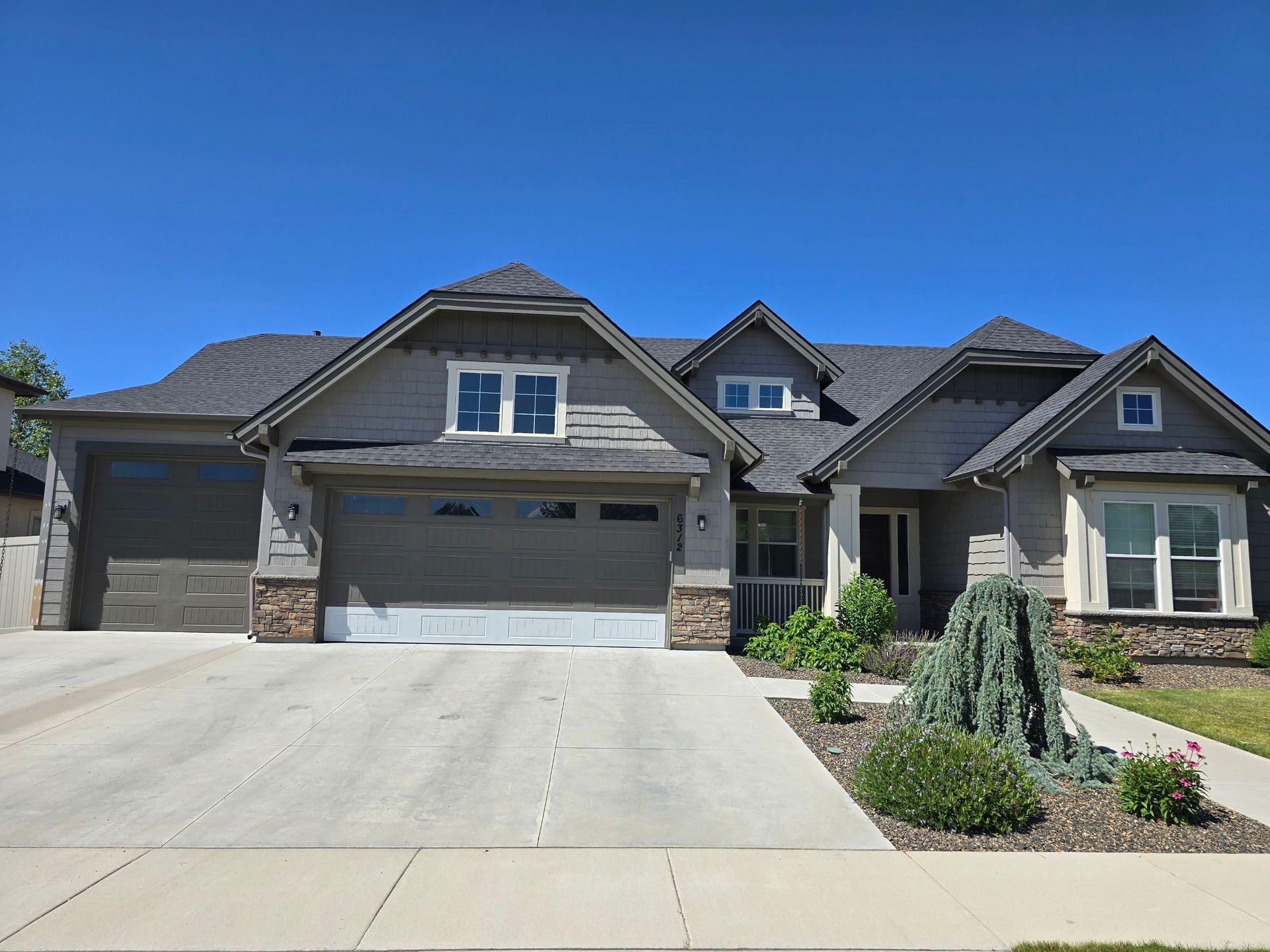
Boise-area homes deal with sun exposure, dust, dry heat, wind, winter moisture, and seasonal temperature changes. Over time, those conditions can wear down paint, dry out caulking, and make siding more sensitive to aggressive cleaning.
A home that looks dirty may also have chalky paint, fading, small cracks, or early signs of paint failure. These conditions do not mean washing is a bad idea, but they do mean the home may need a gentler approach. For Boise exterior cleaning and painting prep, surface condition should guide the process.
The Right Cleaning Method Depends on the Surface
Some homes can handle more pressure than others, but many exterior surfaces are better cleaned with a controlled or lower-pressure approach. The right method depends on the material, age of the paint, amount of buildup, and whether there are signs of damage.
In some cases, soft washing or lower-pressure cleaning may be a better fit than traditional high-pressure washing. In other cases, a careful pressure wash may be appropriate as part of exterior paint preparation. The point is that the method should be chosen for the home, not applied the same way every time.
Safe Washing Starts with Understanding the Home’s Condition
Before washing begins, it helps to look at the siding, paint, trim, caulking, and problem areas. If the exterior is in good shape, washing may simply remove buildup and refresh the surface. If there are signs of peeling, soft wood, cracked caulking, or loose siding, those areas need extra care.
This is especially important before repainting. Cleaning is part of exterior prep, but it should be done in a way that supports the next steps. Once the surface is clean, it is easier to identify what needs repair, scraping, sanding, caulking, or priming.
Signs You Should Be Careful Before Power Washing
Homeowners should be cautious if the exterior already shows signs of wear. A few warning signs include:
- peeling, bubbling, or flaking paint
- cracked or missing caulking
- soft or damaged wood
- siding that is loose or warped
- gaps around windows, doors, or trim
- chalky paint that rubs off easily
These signs do not always mean the home cannot be washed. They simply mean the washing should be handled carefully and may need to be paired with repairs or painting.
A Careful Approach Helps Protect Siding and Paint
Power washing can be a helpful part of exterior maintenance when it is done with the right pressure, technique, and understanding of the surface. It can remove buildup, improve appearance, and prepare the home for exterior painting. The risk comes from using too much force or treating every surface the same.
Spray ’n Coat Painting helps Boise,
Nampa,
Meridian, and Treasure Valley homeowners evaluate exterior surfaces before washing, prep, or painting begins. If you are unsure whether power washing is safe for your siding or
exterior paint, request an exterior evaluation or painting estimate to get clear guidance before damage happens.