How Do You Know When Your House Needs Painting?
Last Updated: June 22, 2026
Most homeowners do not notice exterior paint failing all at once. It usually starts with small changes: the color looks faded, caulking begins to crack, trim starts peeling, or the siding leaves a chalky residue when you touch it. At first, these issues may seem cosmetic, but they can become more serious if the exterior is left exposed for too long.
Your home may need repainting when the existing paint is no longer protecting the siding, trim, and other exterior surfaces from sun, moisture, and weather. For Boise-area homeowners, paying attention to these signs matters because exterior paint deals with hot summers, cold winters, wind, UV exposure, and seasonal moisture throughout the year.
Fading Is Often One of the First Signs
Fading is one of the earliest signs that exterior paint is starting to wear down. Over time, sunlight breaks down paint pigments, which can make the home look dull, uneven, or washed out. This is usually most noticeable on the sides of the home that receive the strongest sun exposure.
Darker colors often fade faster than lighter colors, but any exterior paint can lose its richness with enough time and weather exposure. Fading does not always mean your home needs immediate repainting, but it is a sign that the coating is aging. If the color looks noticeably different from one side of the house to another, it may be time to have the exterior evaluated.
Peeling or Cracking Paint Should Not Be Ignored
Peeling paint is one of the clearest signs that your exterior paint system is no longer doing its job. Once paint begins separating from the surface, the siding or trim underneath becomes more exposed to moisture and weather damage.
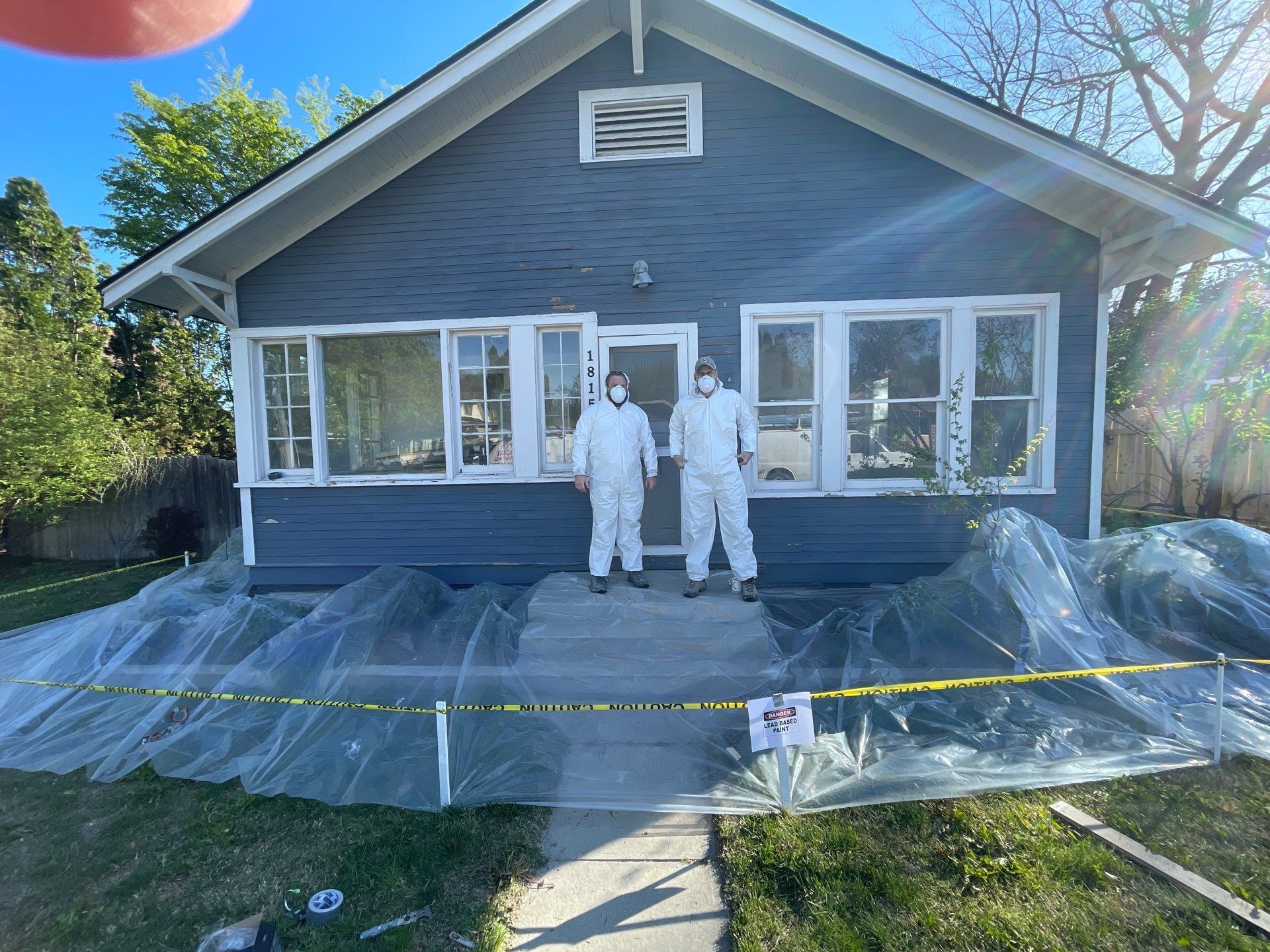
Cracking and peeling often show up first around windows, trim, fascia boards, garage doors, and siding seams. These areas tend to take more stress because they are exposed to movement, water, and changing temperatures. If peeling is limited to a small area, repairs and touch-ups may be enough. If it is widespread, a full exterior repaint may be the better long-term solution.
Chalking Means the Paint Is Breaking Down
Chalking happens when aging paint leaves behind a powdery residue on the surface. You may notice it if you rub your hand across the siding and see a light film on your fingers. Some mild chalking can happen as exterior paint ages, but heavy chalking usually means the coating is breaking down.
This matters because new paint needs a clean, stable surface to bond properly. If chalky residue is not addressed during prep, a new coat may not adhere as well as it should. Chalking is not always an emergency, but it is a strong sign that the exterior should be inspected before the paint fails further.
Failed Caulking Can Let Moisture In
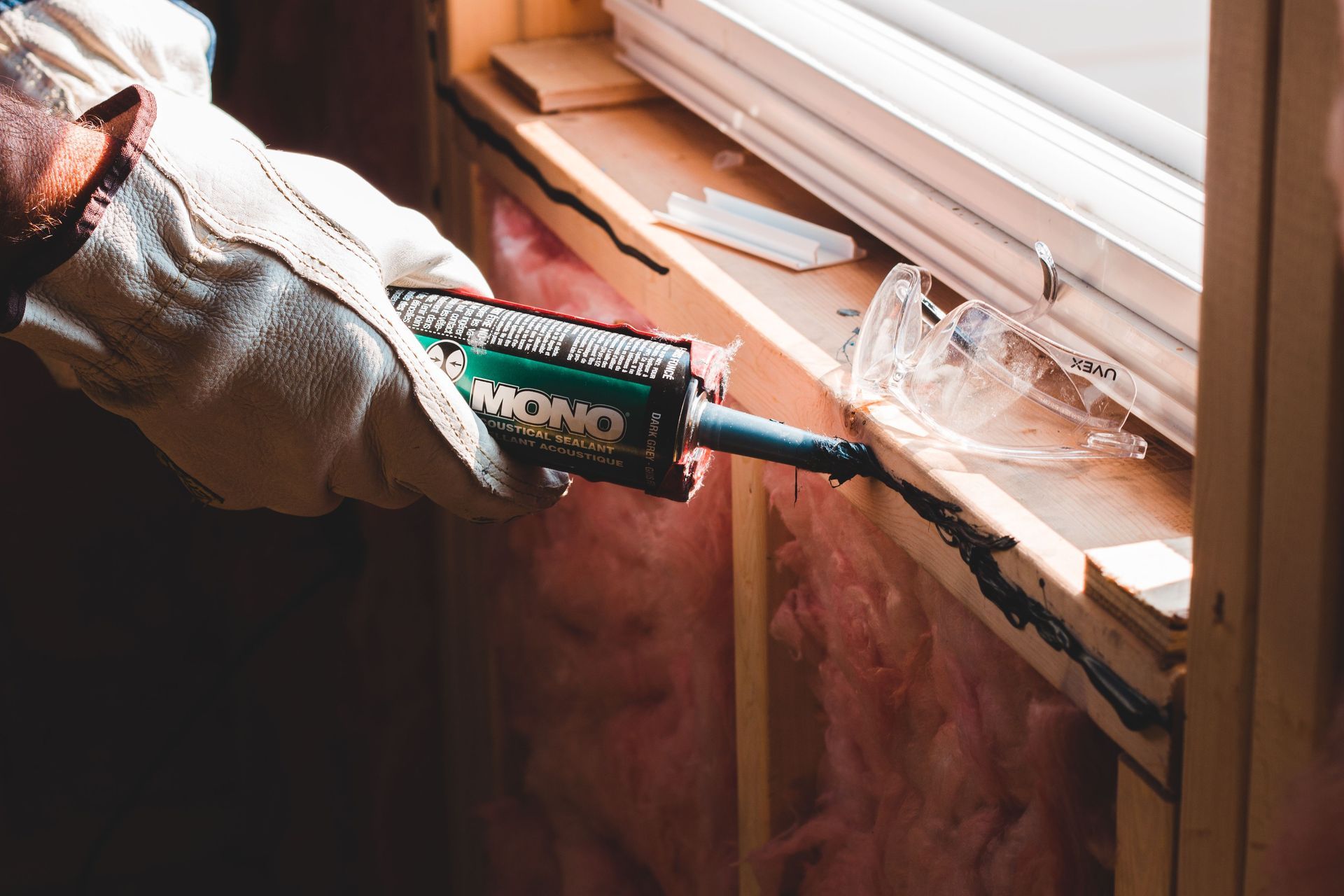
Caulking helps seal gaps around trim, windows, doors, and siding transitions. When it starts cracking, shrinking, separating, or drying out, moisture can find its way into vulnerable areas of the home.
This is one of the warning signs homeowners often miss because failed caulking is not always obvious from a distance. During a professional exterior painting project, old or failing caulking is usually removed and replaced as part of the prep process. That step helps protect the home and supports a longer-lasting paint job.
Exposed Wood or Bare Surfaces Need Attention
If you can see bare wood or exposed material where paint has worn away, it is time to address the exterior. Paint is not just there for color. It helps shield siding, trim, and other surfaces from moisture, sunlight, and seasonal movement.
Once bare wood is exposed, it can begin absorbing moisture. Over time, that can lead to swelling, cracking, rot, and more expensive repairs. In some cases, a few exposed areas can be repaired and repainted. In others, widespread exposure may point to a larger repainting need.
Bubbling or Blistering Paint Can Point to Deeper Issues
Bubbling or blistering paint often means something is happening beneath the surface. Moisture may be trapped under the coating, the surface may have been damp when it was previously painted, or older paint may be losing adhesion.
This type of problem should not be ignored. Blisters can spread, break open, and leave the surface underneath exposed. If you notice bubbling paint on your siding or trim, it is worth having the area looked at before assuming a simple touch-up will solve it.
Boise Weather Can Shorten Exterior Paint Lifespan
Homes in Boise, Nampa, Meridian, Eagle, and the surrounding Treasure Valley deal with a wide range of weather conditions. Strong summer sunlight, freezing winters, wind, snow, rain, and seasonal temperature swings all wear down exterior paint over time.
Some homes show signs of wear sooner because of their exposure. A side of the house that gets intense afternoon sun may fade faster. Trim near moisture-prone areas may peel sooner. Older builder-grade paint systems may also wear out faster than a properly prepared and professionally applied exterior paint system.
Different Exterior Materials Age Differently
Not every exterior surface needs repainting on the same schedule. Wood siding, trim, stucco, masonry, metal, and other materials all respond differently to sun, moisture, and seasonal changes.
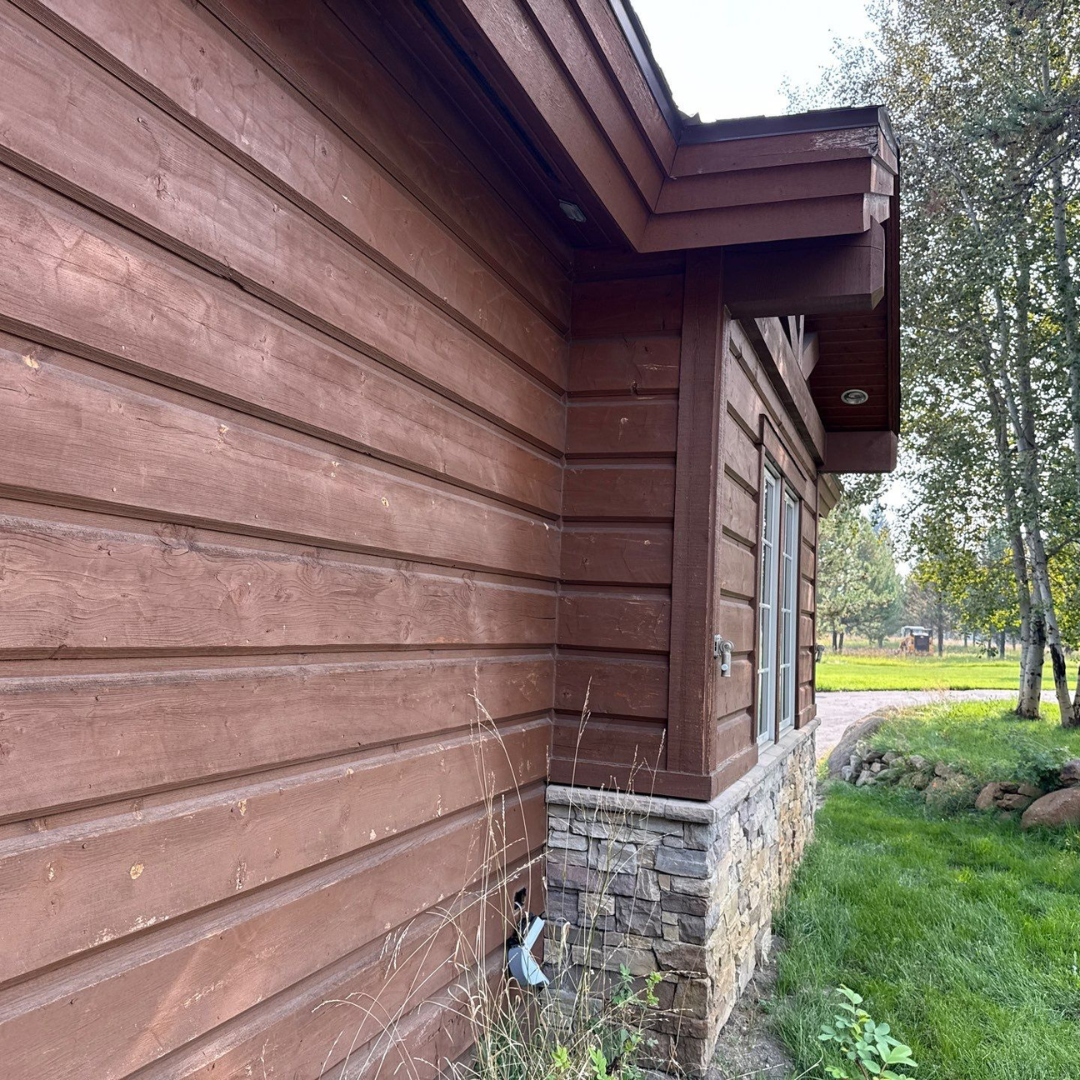
As a general rule, wood siding often needs attention sooner because it is more vulnerable once the coating starts to fail. Stucco and masonry may last longer, depending on condition and exposure. Trim and metal surfaces may need maintenance to prevent rust, cracking, or deterioration. These timelines vary, so the condition of the surface matters more than the calendar alone.
Prep Work Affects How Long the Next Paint Job Lasts
If your home needs repainting, the quality of prep work will play a major role in how long the next paint job lasts. Exterior painting is not just applying a new color over the old one. The surface needs to be cleaned, scraped, sanded, repaired, caulked, and primed where needed.
Skipping these steps may make the project faster, but it usually shortens the life of the paint. Proper preparation helps new paint bond better and protects the home more effectively. For Boise exterior painting projects, prep is especially important because the finished coating needs to hold up through real seasonal changes.
Should You Repaint Now or Wait?
Not every sign of aging means you need to repaint immediately. Light fading or a few small touch-up areas may simply mean the paint is getting older. But peeling, exposed wood, failed caulking, heavy chalking, and bubbling are stronger signs that the exterior needs attention sooner rather than later.
The best way to decide is to look at the overall condition of the home. If the issues are isolated, repairs and localized repainting may be enough. If the wear is spread across multiple sides of the house, a full exterior repaint may be the smarter investment.
Get Clear Guidance Before Exterior Paint Fails Further
Exterior paint protects your home as much as it improves curb appeal. When it starts breaking down, catching the signs early can help prevent bigger problems with siding, trim, and exposed wood.
Spray ’n Coat Painting provides exterior painting services for homeowners throughout Boise, Meridian, Nampa, Eagle, and the Treasure Valley. If your home is showing signs of fading, peeling, chalking, cracked caulking, or exterior wear, request an exterior painting estimate to understand what your home needs before the damage gets worse.