Why Is My Exterior Paint Chalky?
Last Updated: June 29, 2026
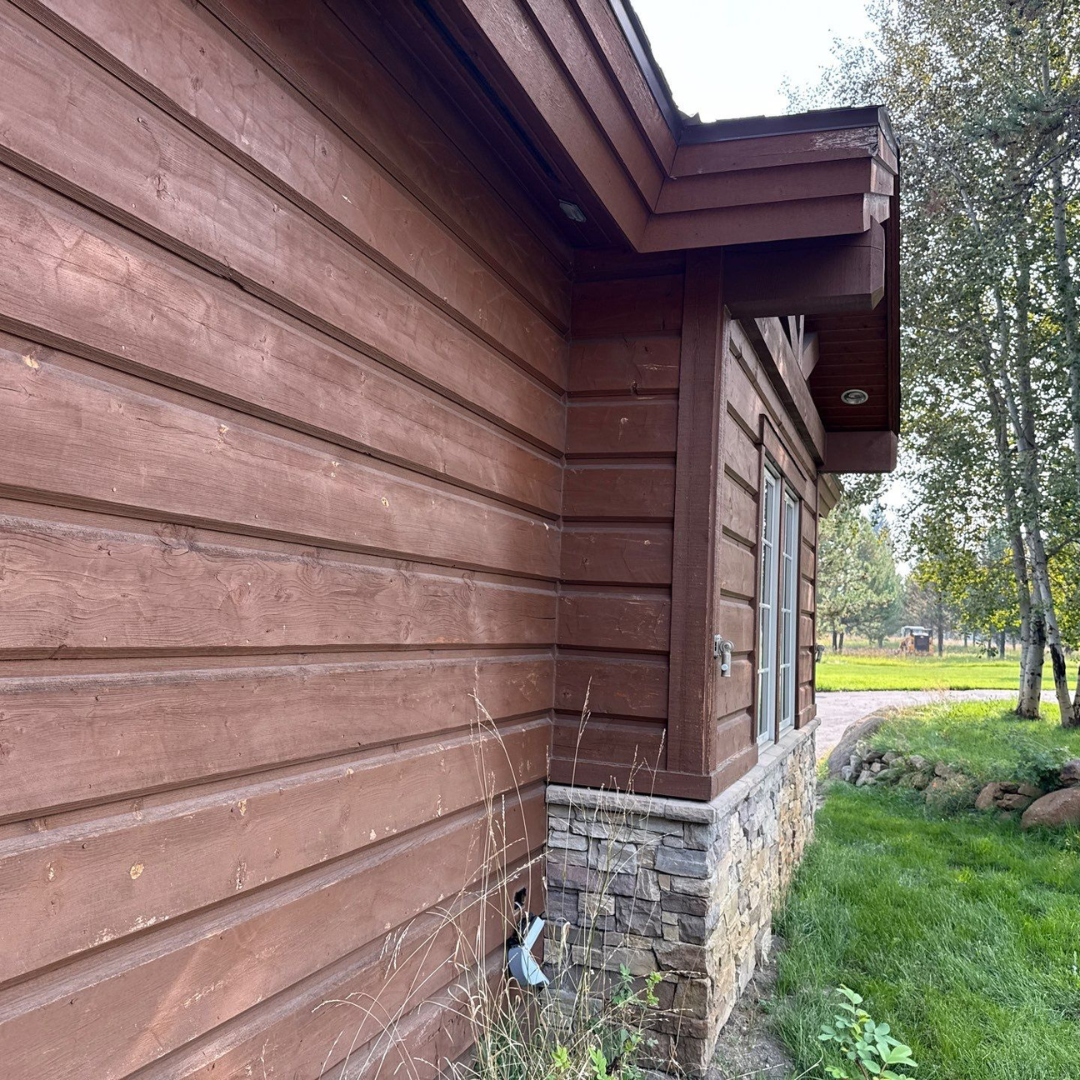
If you rub your hand across your siding and notice a powdery residue on your fingers, your exterior paint may be chalking. This chalk-like film is common as paint ages, but it can also be a sign that the coating is starting to break down.
Chalky exterior paint happens when sun, weather, and age slowly wear down the paint surface. Mild chalking can be normal over time, but heavy chalking may mean the paint system is nearing the end of its lifespan and needs attention before peeling, cracking, or exposed siding becomes a bigger problem.
What Causes Exterior Paint to Become Chalky?
Exterior paint is constantly exposed to sunlight, UV rays, wind, moisture, temperature changes, and seasonal movement. Over time, those conditions begin to break down the binders that help hold the paint together.
As the surface breaks down, it can leave behind a fine powdery residue. That residue is what homeowners usually notice when they touch the siding, trim, stucco, or painted wood. In many cases, chalking is simply part of the natural aging process, especially on older paint.
The important question is how much chalking is happening. A light powdery film may not mean immediate failure. Heavy chalking across large areas usually deserves a closer look.
Why Boise-Area Homes Often Show Chalking
Homes in Boise, Meridian, Nampa, and throughout the Treasure Valley deal with strong sun exposure, dry summer heat, wind, winter moisture, and seasonal temperature swings. Those conditions can be tough on exterior paint over time.
South- and west-facing sides of homes often show chalking first because they typically receive more direct sunlight and heat. These areas may start to look faded, dry, or powdery before other sides of the house show much wear at all.
This uneven aging is not unusual. One side of the home may look fairly good, while another side is showing clear signs of UV breakdown. That is why it helps to inspect the whole exterior instead of judging the paint condition from one angle.
Is Chalky Paint Always a Problem?
Not always. Mild chalking can happen as exterior paint ages, and some paint systems slowly weather over time. If the chalking is light and the paint is otherwise intact, it may simply mean the coating is getting older.
The concern is when chalking becomes heavy or widespread. Excessive chalking can mean the paint surface is no longer as stable as it should be. It may also reduce how well new paint can bond if the home is repainted without proper surface preparation.
Chalking becomes more concerning when it appears along with fading, peeling, cracking, exposed wood, or failed caulking. At that point, the issue is no longer just a powdery surface. It may be a sign that the exterior protection system is breaking down.
How to Tell If Chalking Is Excessive
A simple hand test can tell you a lot. Rub your hand across the siding or painted surface. If you see a light powdery residue, the paint may be aging normally. If your hand comes away heavily coated or the paint feels like it is rubbing off easily, the chalking may be more advanced.
You should also look at the overall condition of the exterior. Heavy powder transfer, uneven fading, dull color, peeling areas, or multiple affected sides of the home may suggest the paint is nearing the end of its useful life.
This does not automatically mean the whole house needs repainting immediately, but it is a sign that the surface should be evaluated before the paint fails further.
Why Proper Prep Matters Before Repainting Chalky Paint
One of the biggest mistakes homeowners can make is painting directly over a chalky surface. If the powdery residue is left behind, new paint may struggle to bond properly. The fresh paint may stick to the loose chalk instead of the surface underneath.
That can lead to early peeling, uneven coverage, or a paint job that does not last as long as it should. This is why exterior paint preparation matters so much on chalky homes.
Depending on the condition of the exterior, prep may include pressure washing, removing chalky residue, scraping loose paint, sanding problem areas, priming, replacing failed caulking, and addressing moisture concerns. The goal is to create a clean, stable surface before any new coating is applied.
Why Some Areas Chalk Faster Than Others
It is very common for only certain sections of a home to show noticeable chalking. High-exposure areas usually age faster because they receive more sun, heat, wind, and weather.
Areas that often chalk sooner include:
- south-facing siding
- west-facing walls
- garage doors
- fascia boards
- upper elevations
- darker painted surfaces
Different materials can also age differently. Wood, stucco, metal trim, and painted siding may not all show chalking at the same rate. That is one reason a full exterior walkthrough can be more useful than focusing only on the most faded area.
Can Chalky Exterior Paint Be Prevented?
No exterior paint lasts forever, especially in a climate with strong sun and changing seasons. However, homeowners can often slow down wear and catch aging paint before it turns into larger damage.
Periodic washing can help remove dirt and buildup. Inspecting caulking, watching high-sun areas, addressing peeling early, and trimming vegetation away from siding can also help protect exterior surfaces. These simple maintenance steps do not stop paint from aging, but they can extend the life of the paint system and reduce the chance of bigger repairs later.
The most important thing is not to ignore early warning signs. Chalking, fading, and caulking failure often show up before major peeling or exposed wood appears.
When Chalky Paint Means It May Be Time to Repaint
Chalking alone does not always mean the house needs to be painted right away. If the residue is mild and the paint is still protecting the surface, you may have time to monitor the exterior and plan ahead.
Repainting becomes more likely when chalking is heavy, widespread, or paired with other signs of wear. If the surface is faded, dull, peeling, cracking, or exposing wood or siding underneath, the existing paint system may no longer be providing the protection your home needs.
At that point, waiting too long can allow moisture, UV exposure, and weather to create more damage. Repainting before the surface fully fails is often more practical than waiting until repairs become more involved.
Why an Exterior Evaluation Helps
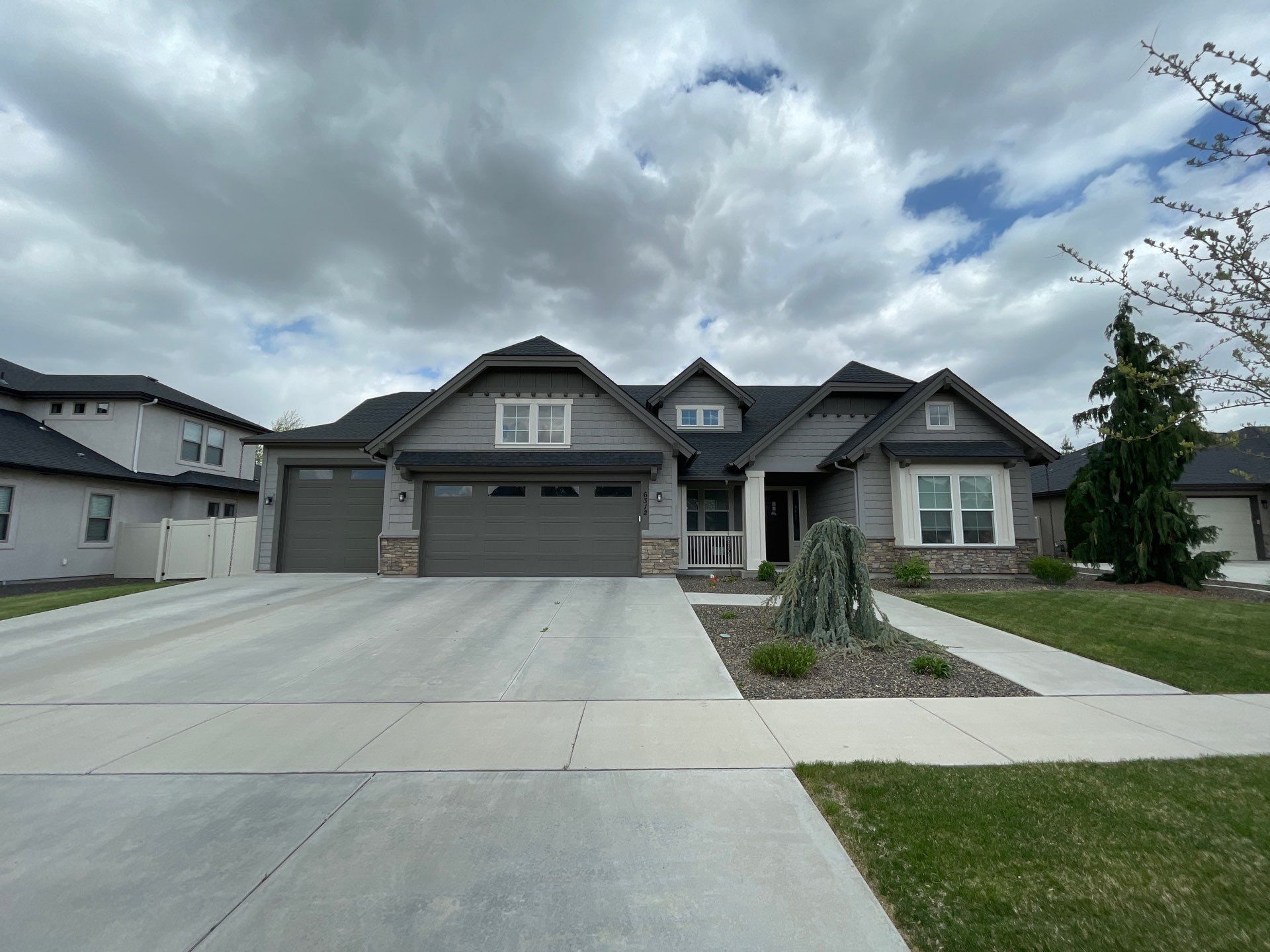
Many homeowners do not notice chalking until the paint is already well into the aging process. A professional exterior evaluation can help determine whether the chalking is normal wear, a prep concern, or a sign that the home may need repainting soon.
During an exterior walkthrough, a painter can look for chalky surfaces, fading, failed caulking, moisture concerns, exposed wood, and early paint breakdown. Understanding the full condition of the exterior helps homeowners make better decisions about maintenance, repaint timing, and long-term protection.
Get Clear Guidance on Chalky Exterior Paint
Chalky paint is common, but it should not be ignored. In many Boise-area homes, it is an early sign that sun, weather, and age are wearing down the exterior coating. The sooner you understand what is happening, the easier it is to choose the right next step.
Spray ’n Coat Painting provides exterior painting services throughout Boise, Meridian, Nampa, and the Treasure Valley. If your exterior paint feels chalky, faded, or worn, request an exterior painting estimate to find out whether your home needs prep, maintenance, or a full repaint.