Why Is My Exterior Wood Stain Fading?
Last Updated: July 6, 2026
Exterior wood stain can look beautiful when it is fresh. It brings out the natural grain, adds warmth, and gives fences, pergolas, front doors, garage doors, and cedar accents a finished look. But after a few years, many homeowners start to notice fading, dryness, uneven color, or areas that look more weathered than the rest.
Exterior wood stain fades because sun, moisture, weather, and age slowly break down the pigments and protective qualities in the stain. In Boise and throughout the Treasure Valley, strong UV exposure, dry heat, winter moisture, and seasonal temperature changes can make exterior wood surfaces fade faster than homeowners expect.
Why Exterior Wood Stain Fades Over Time
Exterior stain is constantly exposed to sunlight, UV rays, rain, snow, wind, moisture, and temperature changes. Over time, those conditions wear down the stain and dry out the surface of the wood. Unlike interior wood finishes, exterior stain has to handle weather every day of the year.
As stain breaks down, the wood may start to look faded, gray, dry, rough, or uneven. Some surfaces may also begin absorbing water more quickly, which is a sign that the protective finish is weakening. Solid stains may peel or flake in some areas, while more transparent stains often fade more gradually.
This does not always mean the stain failed early. In many cases, fading is simply part of how exterior wood stain ages.
Stain Ages Differently Than Paint
One reason homeowners are surprised by fading is that they expect stain to behave like paint. Paint creates more of a surface film that hides the material underneath. Stain is different. It is designed to penetrate into the wood while still allowing the natural grain and texture to show.
Because stain is thinner and more connected to the wood itself, it often weathers more gradually and may need maintenance more often than painted surfaces. This is especially true on wood that gets heavy sun, moisture, or temperature movement.
That does not make stain a bad choice. It just means homeowners need realistic expectations. Stain offers a natural look that paint usually cannot match, but it also needs the right maintenance to keep wood looking good over time.
South- and West-Facing Surfaces Usually Fade First
Uneven fading is very common. One side of a fence, pergola, or front entry may look worn while another side still looks rich and protected. Most of the time, the difference comes down to sun exposure.
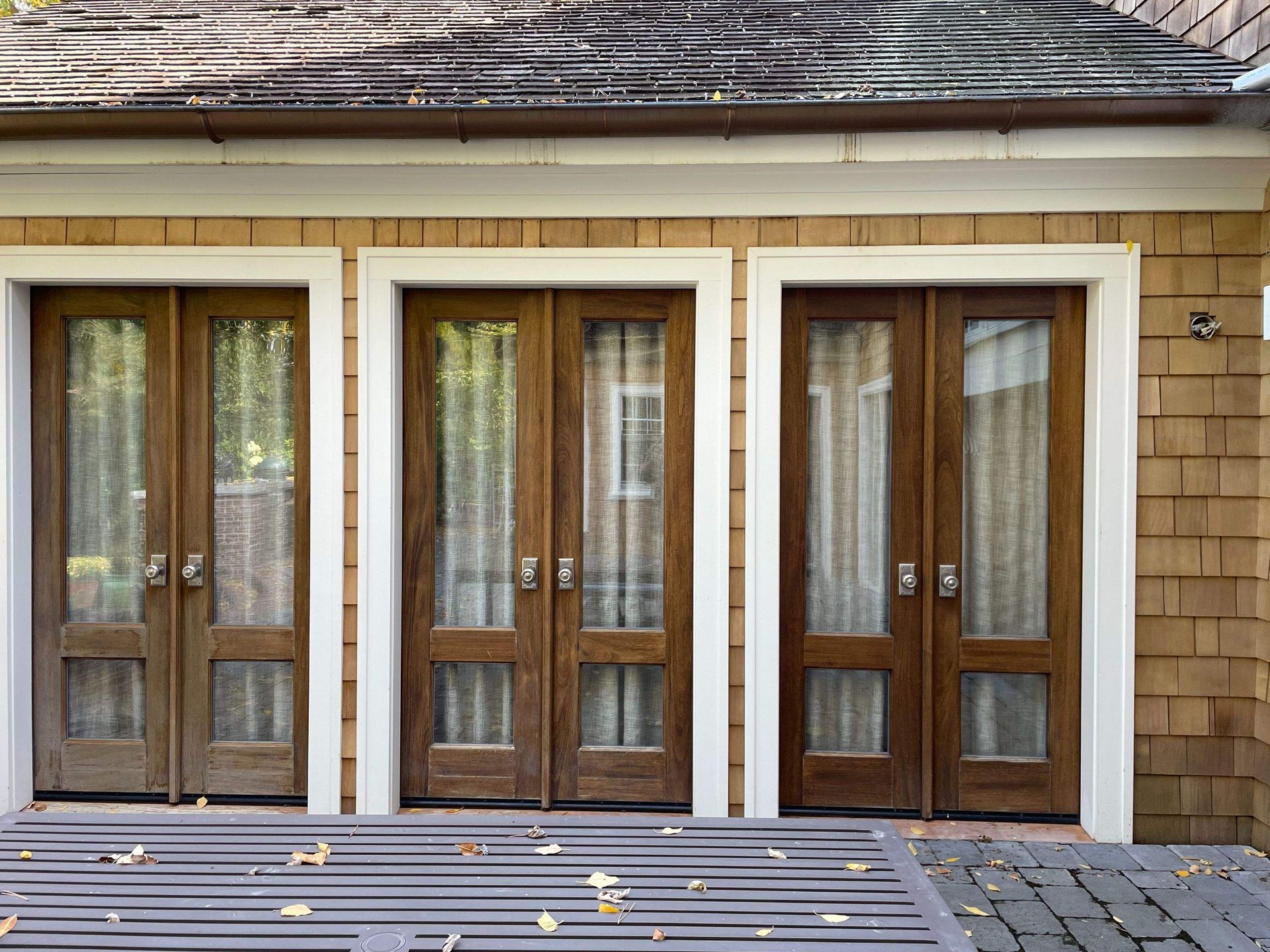
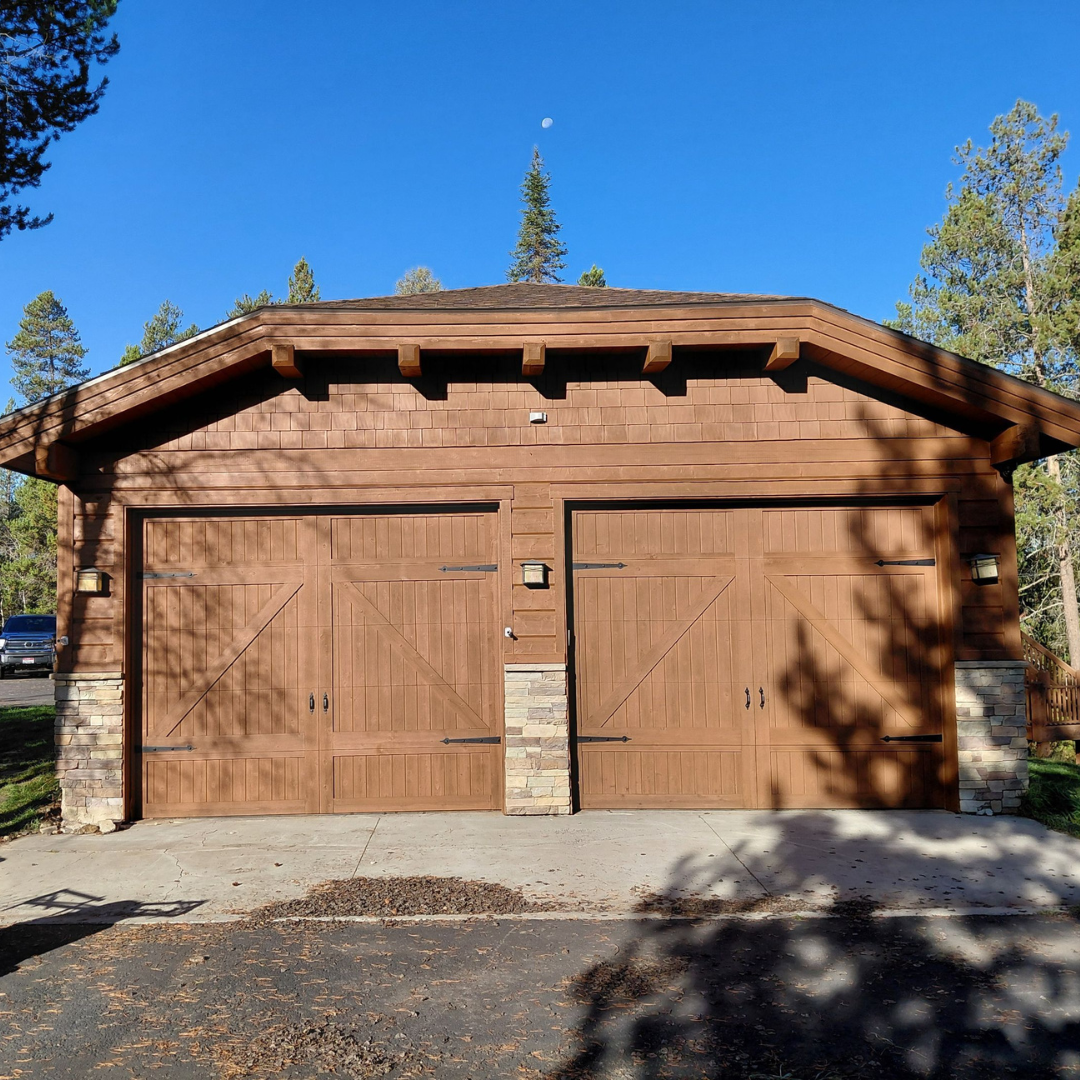
South- and west-facing wood surfaces usually receive more direct sunlight and afternoon heat. That repeated UV exposure can break down stain faster, especially on exposed fences, cedar accents, beams, garage doors, and front doors.
In Boise-area homes, this wear pattern is common. The surfaces that take the most sun and heat usually show fading first, even if the whole project was stained at the same time.
Horizontal Wood Surfaces Wear Faster
Horizontal surfaces often fade and weather faster than vertical surfaces because they take more direct abuse. Deck boards, railings, fence top caps, pergola tops, and horizontal cedar details collect more sun, snow, water, dirt, and debris.
Water also tends to sit longer on horizontal surfaces, especially after rain or snow. That added exposure can speed up fading and surface breakdown. A vertical fence board may still look decent while a top rail or flat surface nearby looks much more worn.
This is normal, but it is also a sign that these areas should be watched more closely. Horizontal wood often needs maintenance sooner than protected or vertical surfaces.
Idaho Weather Can Be Hard on Exterior Wood
Boise and the Treasure Valley experience a mix of conditions that can be tough on stained wood. Dry summer heat can pull moisture from wood fibers, while strong sunlight fades color and breaks down the finish. Winter moisture, snow, and freeze-thaw cycles add another layer of stress.
These conditions do not affect every surface equally. A shaded side of the home may last longer, while an exposed front door, pergola, fence, or garage door may need attention sooner. Homes with a lot of direct sun or wind exposure often see faster stain deterioration.
That is why local exposure matters. A stain system that lasts longer in a protected area may weather much faster on a high-exposure Boise property.
Different Stain Products Perform Differently
Not all stains are designed the same way. Some are more transparent, while others are more pigmented. Some penetrate deeply into the wood, while others form more of a film on the surface. Oil-based and water-based stains can also perform differently depending on the wood and exposure.
In general, lighter transparent stains may show fading sooner because they offer less pigment protection. Darker stains can provide a richer look but may absorb more heat. Solid stains can offer more coverage, but they may eventually peel more like paint if the surface starts failing.
The type of wood matters too. Cedar, redwood, pine, and other materials absorb and hold stain differently. Choosing the right stain should depend on the wood species, the look you want, the exposure level, and how much maintenance you are comfortable with.
Prep Work Affects How Long Stain Lasts
Stain performance depends heavily on the condition of the wood before the product is applied. If the surface is dirty, gray, weathered, damp, or covered with a failing old finish, new stain may not absorb or perform the way it should.
Proper prep may include cleaning, sanding, stripping failing coatings, evaluating moisture exposure, and making sure the wood is ready to accept stain. This step is especially important for exterior wood that has already started fading or drying out.
Skipping prep may make the project faster, but it usually shortens the life of the finish. Long-lasting stain starts with a surface that is clean, stable, and ready for the product being used.
How Often Should Exterior Wood Be Restained?
There is no single schedule that applies to every wood surface. Restaining depends on sun exposure, moisture exposure, stain type, wood species, surface direction, and how much weather the wood receives.
High-exposure wood surfaces may need maintenance every few years, while lower-exposure vertical surfaces may last longer. Horizontal surfaces such as decks, rails, pergolas, and top caps often need attention sooner because they take more direct sunlight, moisture, and debris.
The best approach is to monitor the wood instead of relying only on a calendar. If the surface looks faded, dry, gray, rough, or starts absorbing water quickly, it may be time to consider maintenance or restaining.
Can Exterior Wood Stain Be Maintained Before It Fully Fails?
Yes. One of the advantages of stain is that maintenance can often happen before the finish completely fails. If fading is caught early, homeowners may be able to refresh or maintain the surface before the wood becomes heavily weathered.
Simple maintenance can help extend the life of exterior wood surfaces:
- clean surfaces periodically
- monitor high-sun and horizontal areas
- address moisture issues early
- avoid letting debris sit on wood surfaces
- restain before the wood becomes heavily gray or dry
Catching fading early usually makes the next project easier and helps preserve both appearance and wood condition.
Signs Your Exterior Wood Stain Needs Attention
Fading alone does not always mean the wood is in trouble, but it is a sign to pay attention. If the surface is also drying out, turning gray, feeling rough, absorbing water, or showing bare wood, the stain may no longer be protecting the surface well.
Peeling on solid stains, uneven color, or widespread weathering can also indicate that maintenance is overdue. The longer exposed wood is left unprotected, the more likely it is to develop deeper weathering that requires additional prep before refinishing.
Get Clear Guidance on Fading Wood Stain
Fading exterior wood stain is common, especially in Boise-area homes with strong sun exposure and changing weather. The question is whether the wood simply needs maintenance or whether it needs more complete refinishing.
Spray ’n Coat Painting helps homeowners throughout Boise, Meridian, Nampa, and the Treasure Valley evaluate exterior wood surfaces, choose the right stain approach, and protect fences, pergolas, doors, accents, and other stained features. If your exterior wood stain is fading, drying out, or weathering unevenly, request an estimate or consultation to understand the best next step.