Why Does One Side of My House Fade Faster?
Last Updated: June 22, 2026
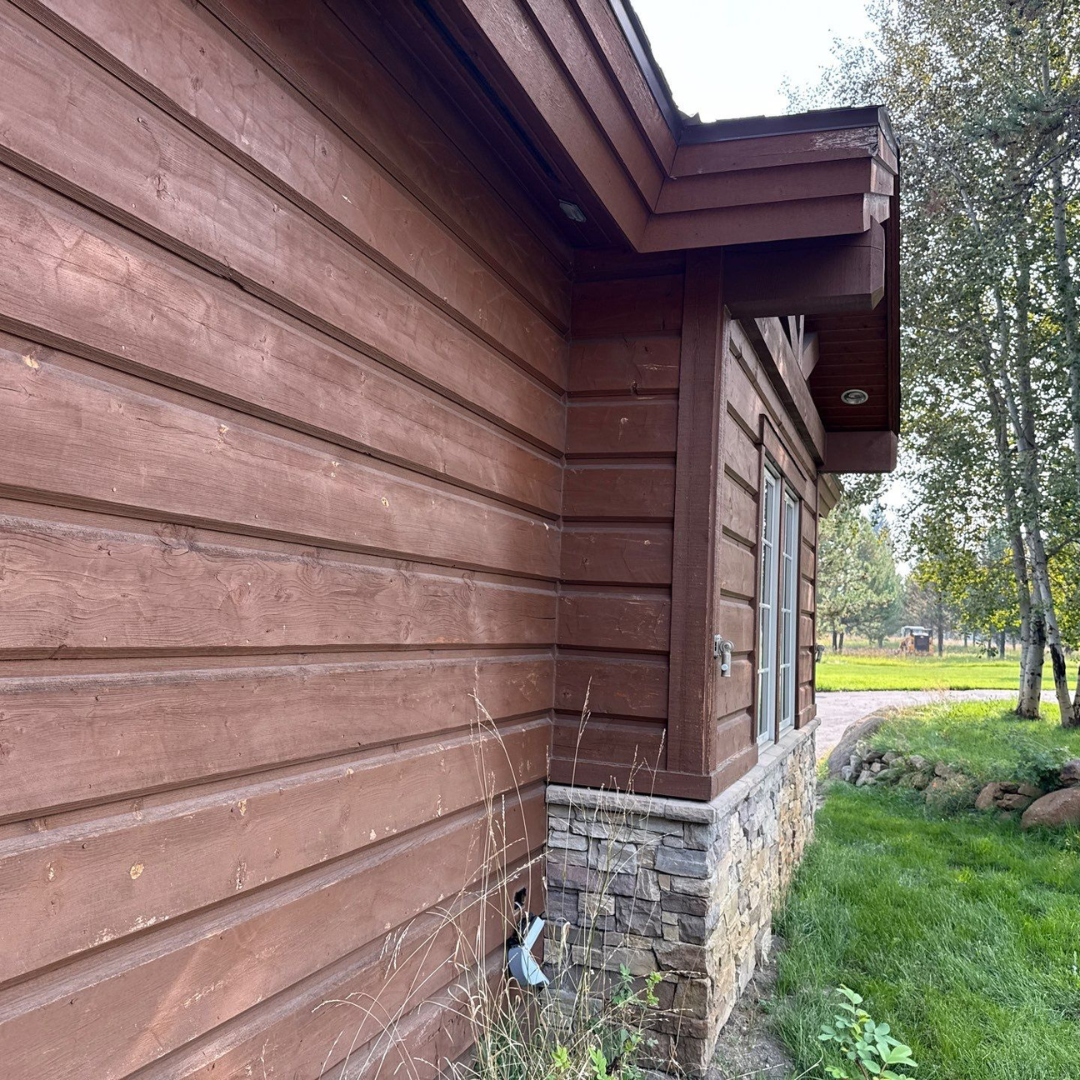
Many homeowners notice uneven paint wear when they walk around the outside of their home. One side may still look clean and rich in color, while another side looks faded, chalky, dry, or more worn down. It can feel strange, especially when the whole house was painted at the same time.
In most cases, uneven fading is normal. Different sides of a home receive different amounts of sun, heat, wind, moisture, and weather exposure throughout the year. In Boise and throughout the Treasure Valley, south- and west-facing sides often show wear first because they usually receive the most direct sunlight and heat.
Why Some Sides of a Home Fade Faster Than Others
Exterior paint does not age evenly because every side of the home faces different conditions. One wall may spend much of the day in the shade, while another takes direct sun for hours. One side may be protected by trees or a neighboring structure, while another is fully exposed to wind, dust, and weather.
Over time, that uneven exposure affects how the paint looks and performs. The side with the most sunlight may fade faster. The side that sees more moisture may be more prone to mildew or peeling. Trim, doors, garage doors, and stained wood can also age differently depending on how exposed they are.
This does not always mean the paint job failed. It often means the home is aging exactly the way its exposure pattern would suggest.
South-Facing Sides Usually Get More Sun
In many homes, the south-facing side receives the most consistent sunlight throughout the day. That steady UV exposure slowly breaks down exterior paint over time. As the coating ages, the color can lose depth, the surface may start to look dry, and caulking or trim may begin showing signs of wear.
Homeowners may notice fading, chalking, cracking, peeling, or dried-out caulking on these high-exposure sides before they see the same issues elsewhere. This is especially common during Idaho summers, when long days and strong sunlight put extra stress on exterior surfaces.
If the south-facing side of your home looks more faded than the shaded side, that usually is not unusual. It is simply the area doing the hardest work.
West-Facing Sides Often Take the Harshest Heat
While south-facing surfaces often receive the most consistent sun, west-facing sides commonly deal with the hottest part of the day. Afternoon and evening sun can create high surface temperatures on siding, trim, garage doors, stained wood, and front entry areas.
That repeated heating and cooling cycle can be tough on exterior paint and caulking. Over time, it may lead to fading, shrinking caulk, bubbling, peeling, or premature wear in certain areas. Darker colors can show this faster because they absorb more heat than lighter colors.
This is why one side of the home may look older even though the paint was applied at the same time as the rest of the house. The exposure is different, so the wear pattern is different too.
Boise Weather Can Be Tough on Exterior Paint
Boise-area homes deal with a mix of conditions that can wear down exterior paint over time. Sun exposure is a major factor, but it is not the only one. Wind, dry summer heat, winter moisture, freezing temperatures, and seasonal temperature swings all play a role.
These conditions slowly stress the paint, caulking, and exterior materials. Homes with large exposed walls, older paint systems, minimal maintenance, or darker paint colors may show signs of wear sooner than homes with more shade or lighter exterior colors.
A good exterior paint system is designed to protect the home, but no paint lasts forever. The goal is to catch signs of wear early enough to prevent bigger surface damage.
Some Paint Colors Fade Faster Than Others
Color choice can affect how quickly fading becomes noticeable. Darker colors tend to absorb more heat, while bold or deep colors may show UV wear sooner than softer, lighter shades. Deep reds, blues, dark browns, and other rich colors can look beautiful, but they often require more realistic expectations in high-sun areas.
That does not mean homeowners should avoid darker colors completely. It just means the color should be chosen with the home’s exposure in mind. A darker color on a shaded side of the home may age differently than the same color on a west-facing wall that gets intense afternoon sun.
For homeowners planning Boise exterior painting, it helps to talk through both the look of the color and how it may perform in local conditions.
Different Exterior Materials Age Differently
The material on your home also affects how uneven fading and wear show up. Wood siding expands and contracts with temperature changes. Stucco handles sunlight and weather differently than wood. Stained surfaces often fade faster than painted surfaces. Metal trim may chalk, oxidize, or lose its finish over time.
Homes with a mix of materials can show uneven aging because each surface reacts differently. A stained front door, painted trim, and siding may all wear at different speeds, even on the same side of the house.
This is another reason it helps to look at the whole exterior before deciding whether the home needs touch-ups, repairs, or a full repaint.
Caulking May Fail Before the Paint Does
Uneven exterior wear is not always about paint color. Caulking around windows, doors, trim joints, and siding seams can dry out or separate before the paint itself looks completely worn out.
This matters because caulking helps seal vulnerable gaps. When it fails, moisture can get behind siding or trim and eventually lead to larger problems. A home may still look decent from the street, but cracked or shrinking caulk can be an early sign that the exterior needs attention.
During an exterior painting evaluation, these areas should be checked closely. Replacing failed caulking is often a key part of protecting the home and helping the next paint job last longer.
Can Uneven Fading Be Prevented?
You cannot prevent exterior paint from aging forever, especially in a climate with strong sun and changing seasons. You can, however, slow down wear and catch problems before they become more expensive.
A few simple habits can help:
- wash siding periodically to remove dirt and buildup
- inspect caulking around windows and trim
- trim vegetation away from painted surfaces
- watch high-sun areas for fading or chalking
- address peeling or cracking before it spreads
These steps will not stop aging completely, but they can help extend the life of the paint and protect the surfaces underneath.
When Uneven Fading Means It Is Time to Repaint
Mild fading on one side of the home does not always mean you need a full repaint right away. Sometimes it simply means that side is aging faster and should be monitored. The concern grows when fading is paired with chalking, cracking, peeling, exposed wood, or failed caulking.
If only one area is worn, touch-ups or localized repairs may be possible. If multiple high-exposure sides are fading, chalking, or peeling, a full exterior repaint may be the smarter long-term option. The right choice depends on how widespread the wear is and whether the paint is still protecting the siding and trim.

Why an Exterior Walkthrough Helps
A professional exterior walkthrough can help homeowners understand whether uneven fading is normal aging or a sign that the paint system is nearing the end of its lifespan. It can also reveal issues that are easy to miss from the ground, such as failing caulking, chalky surfaces, exposed wood, moisture concerns, or early paint failure.
This is especially helpful for homes in Boise, Meridian, Nampa, Eagle, and the surrounding Treasure Valley, where sun exposure and seasonal weather can create uneven wear patterns. Knowing why one side is fading faster helps homeowners make better decisions about maintenance, repairs, and repaint timing.
Get Clear Guidance on Exterior Paint Wear
If one side of your home is fading faster than the others, it does not automatically mean something went wrong. It may simply be the side that gets the most sun, heat, wind, or seasonal exposure. Still, it is worth paying attention to the condition of the paint, caulking, and surfaces underneath.
Spray ’n Coat Painting helps homeowners throughout Boise, Meridian, Nampa, and the Treasure Valley evaluate exterior paint wear and choose the right next step. If your home is showing fading, chalking, peeling, or uneven exterior wear, request an exterior painting estimate to understand what your home needs before the damage gets worse.