Paint vs. Stain: Which Is Better for Your Project
Last Updated: October 20, 2025
When it comes to transforming your home or business, color is only half the story. The real decision often begins with whether to use paint or stain. Choosing between paint and stain affects both beauty and protection, shaping how long your surfaces last and how they perform under Boise’s changing weather. Each option has its strengths, and understanding those differences helps you make the right investment for your property.
The Key Differences Between Paint and Stain
At first glance, both seem to serve the same purpose—color and protection—but they behave quite differently. Paint creates a thicker, opaque surface layer that covers the material completely, while stain soaks into the surface, enhancing the texture and natural grain. Paint offers more color variety and a polished finish, but it requires more prep work. Stain, on the other hand, brings out wood’s character with less maintenance and an earthy, organic look.
These qualities make each ideal for specific projects, and a knowledgeable house painter in Boise can help you choose based on your goals, surfaces, and environment.
When Paint Is the Better Choice
Paint isn’t just about adding color—it’s about defense. High-quality paint provides superior surface protection, sealing materials against UV rays, water, and temperature fluctuations. That’s why it’s commonly used on siding, trim, and interior walls. For homes in Boise, where the climate swings from sunny summers to snowy winters, paint acts as a durable shield that keeps wood and masonry safe.
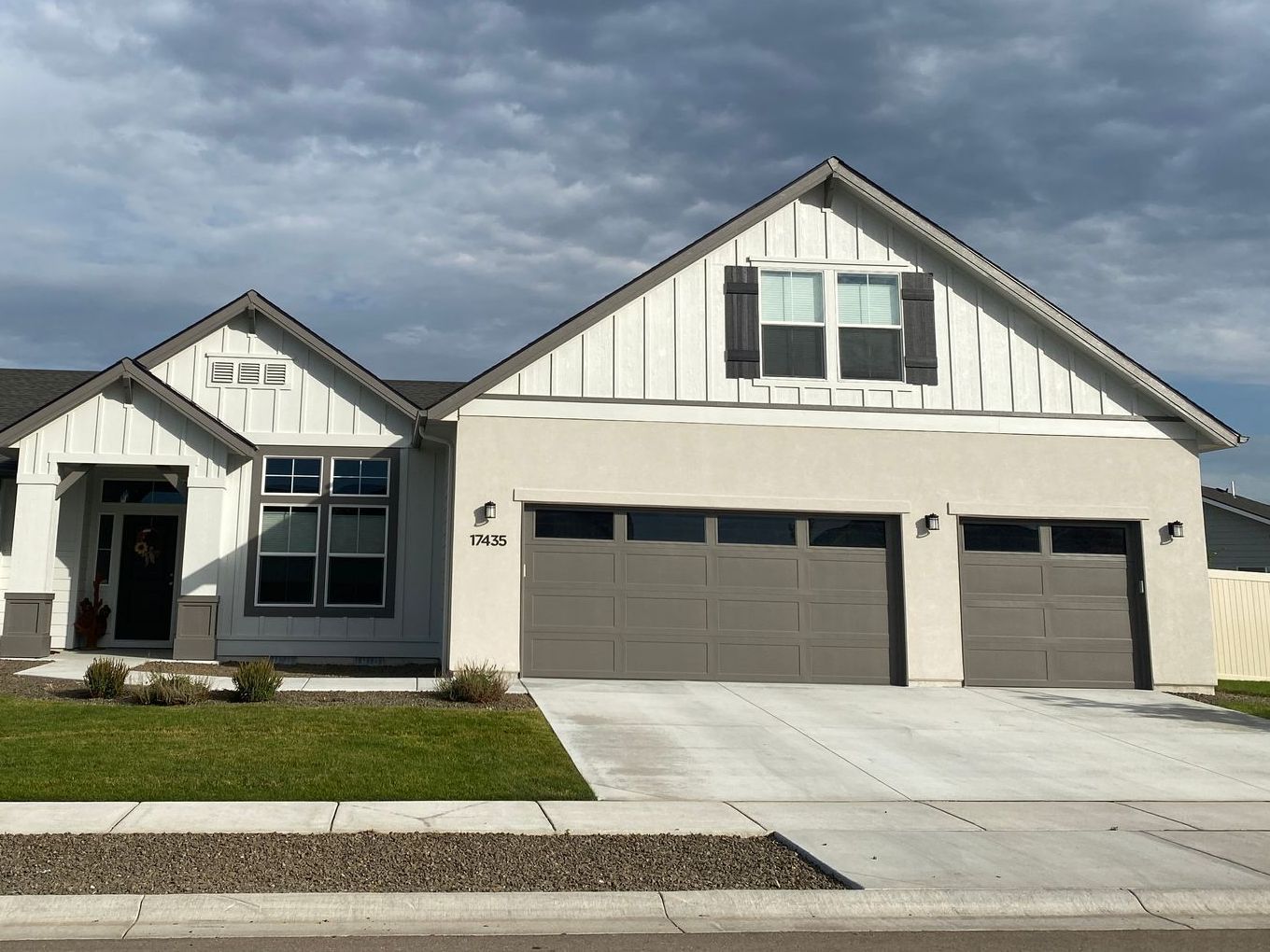
Professional residential painters also recommend paint for achieving consistent color and texture across large surfaces. It’s perfect for homeowners wanting bold, modern exteriors or businesses relying on strong brand colors through commercial exterior painting. Paint gives you flexibility, durability, and a crisp aesthetic that lasts.
Why Stain Remains a Timeless Favorite
There’s something authentic about wood that paint can’t replicate. Stain preserves the natural beauty of wood grain, allowing its warmth and texture to show through. It penetrates the surface rather than covering it, creating a more natural and breathable finish. This makes it an excellent choice for decks, fences, pergolas, and wood siding that benefit from showcasing their organic character.
Wood staining also provides water resistance, reducing swelling and cracking in harsh weather. For homeowners who value a rustic, handcrafted look, stain delivers charm and longevity with minimal upkeep.
A Quick Comparison at a Glance
To help you weigh your options, here’s a simple breakdown of how the two finishes compare in real-world conditions:
- Durability: Paint lasts longer but can chip or peel; stain wears gradually and is easier to reapply.
- Appearance: Paint hides texture; stain enhances it.
- Maintenance: Paint requires periodic scraping and repainting; stain only needs refreshing coats.
- Application: Paint demands extensive prep; stain is more forgiving and quicker to apply.
- Surfaces: Paint suits walls, trim, and masonry; stain excels on decks and exterior woodwork.
Understanding these practical differences helps property owners make confident choices, whether for aesthetic reasons or long-term protection.
How Each Option Handles Weather and Wear
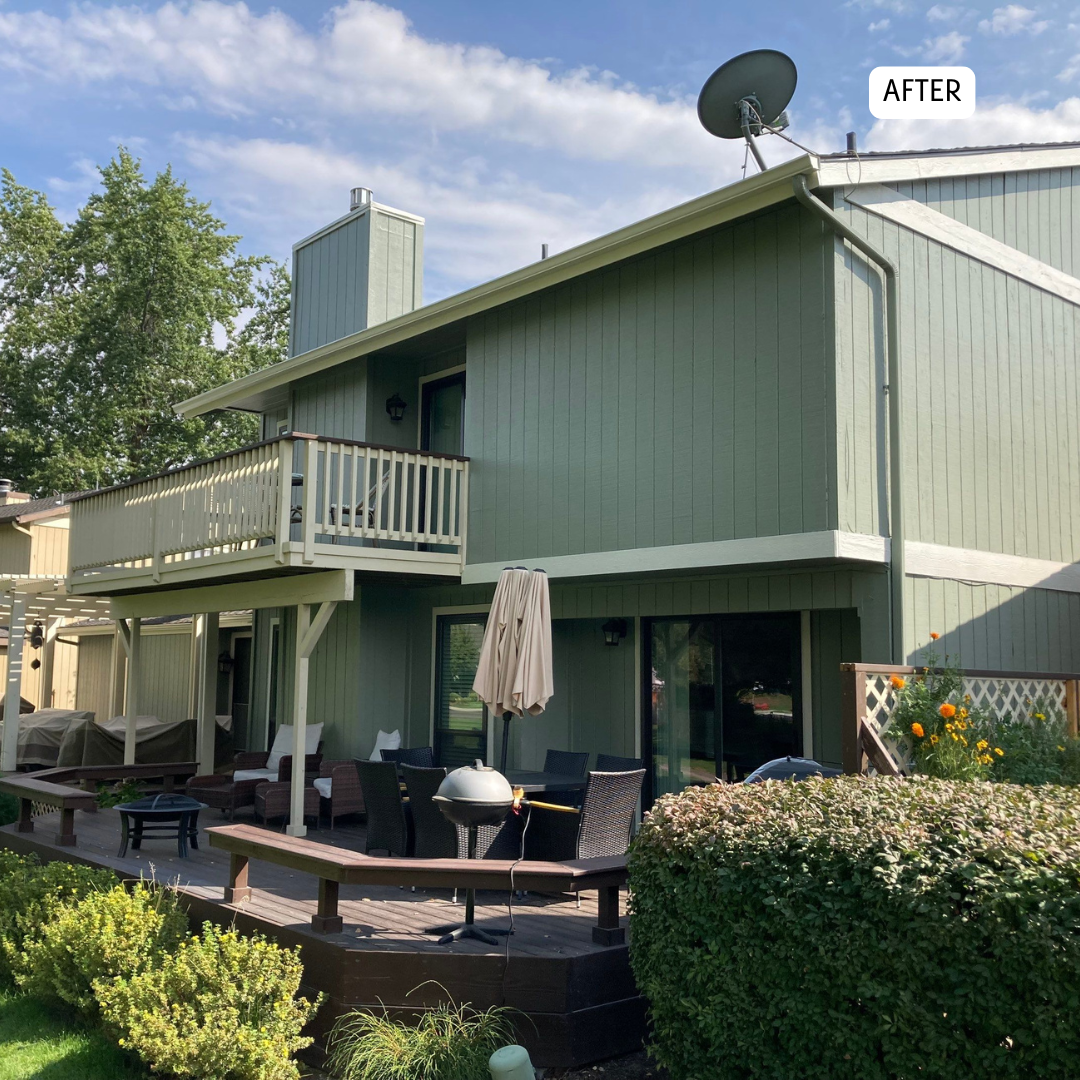
Boise’s seasonal changes can be tough on outdoor surfaces. Paint withstands heavy exposure to sun and snow, especially when paired with proper priming and sealing. Stain performs better on wood that needs to breathe, as it allows moisture to escape naturally without blistering.
Commercial properties often rely on painted finishes for visibility and brand consistency, while residential homes may blend both—painted exteriors and stained decks or fences. A professional team can coordinate color and coating systems that keep your property looking sharp through every season.
Maintenance and Longevity Considerations
Longevity depends on both material and paint maintenance. Well-maintained stain and paint each offer years of performance, but they require different care routines. Paint jobs might last 7–10 years before requiring attention, while stain may need a touch-up every 3–5 years.
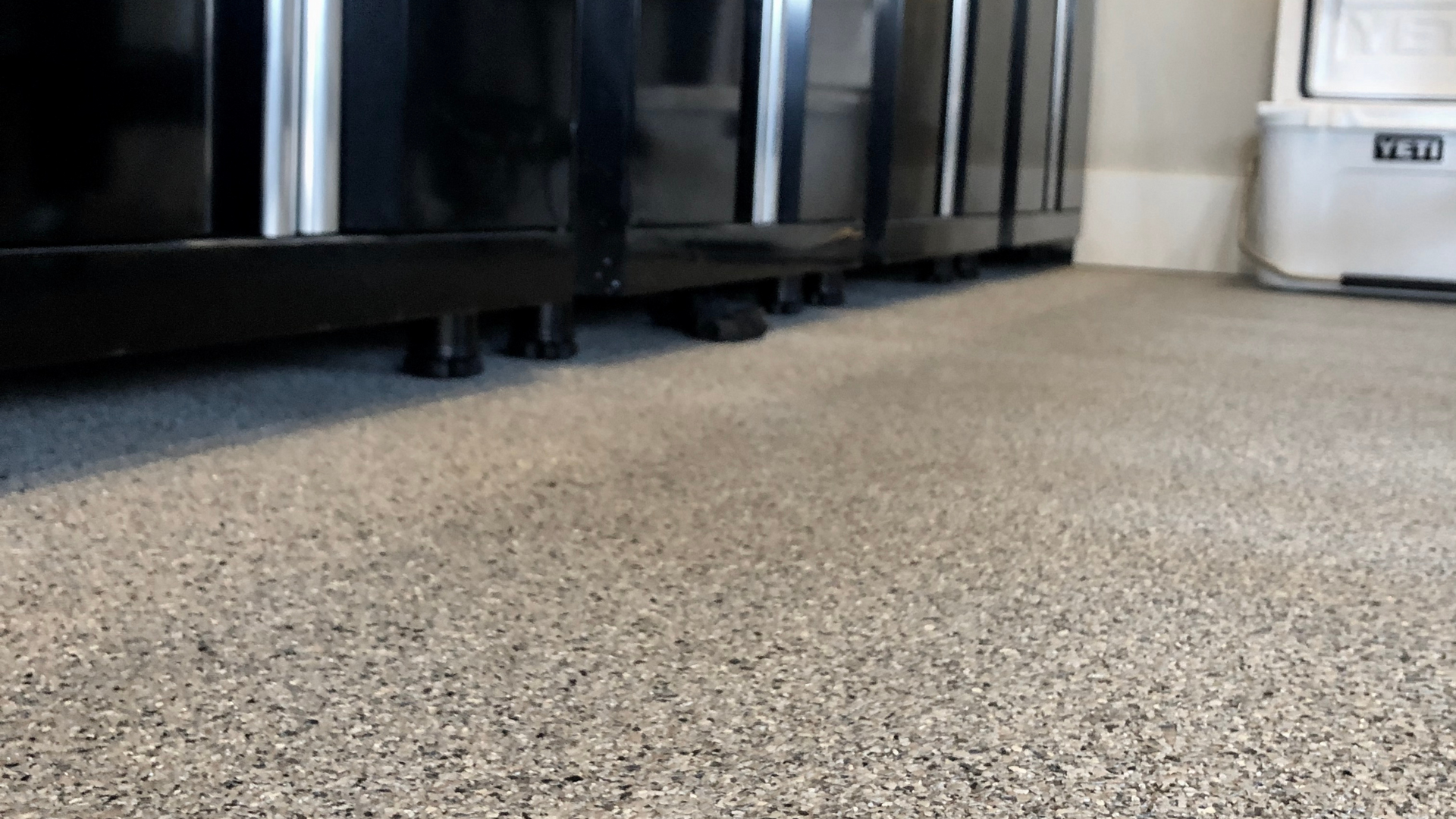
The advantage of stain is that reapplication doesn’t require stripping layers; it simply soaks into the existing surface. Meanwhile, quality paint paired with concrete coatings or protective sealers can handle higher-traffic areas like patios, walkways, and commercial entrances. The best results come from strategic combinations of both materials for full-property protection.
Design Freedom and Style Considerations
From a design perspective, both finishes open creative possibilities. Paint allows limitless color combinations and finishes, from matte to gloss, perfect for matching interior and exterior spaces. Stain offers subtle tone variations—rich mahogany, golden cedar, or weathered gray—that celebrate natural beauty.
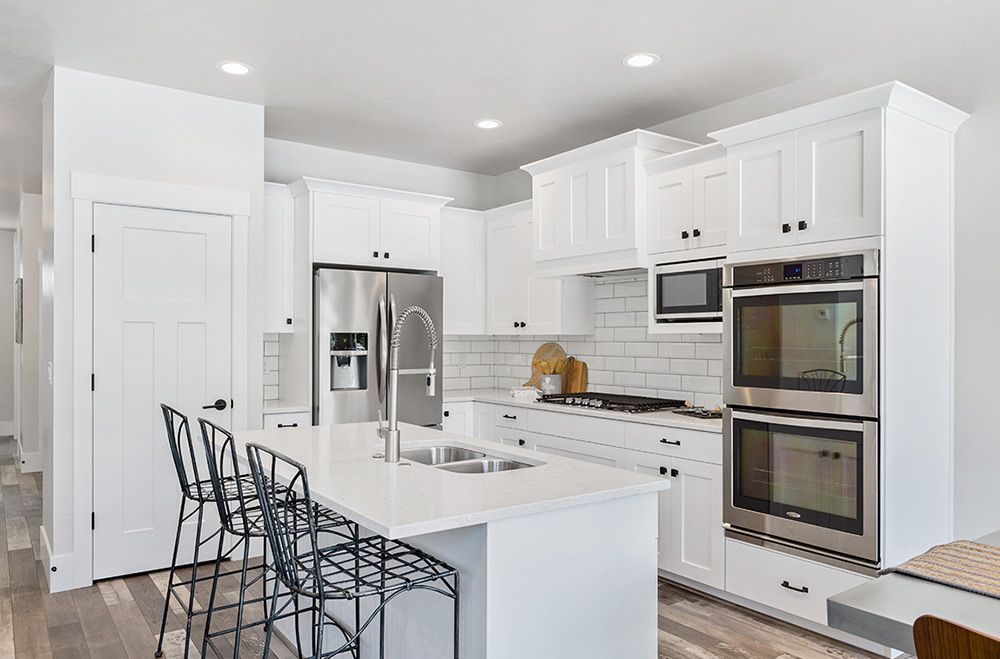
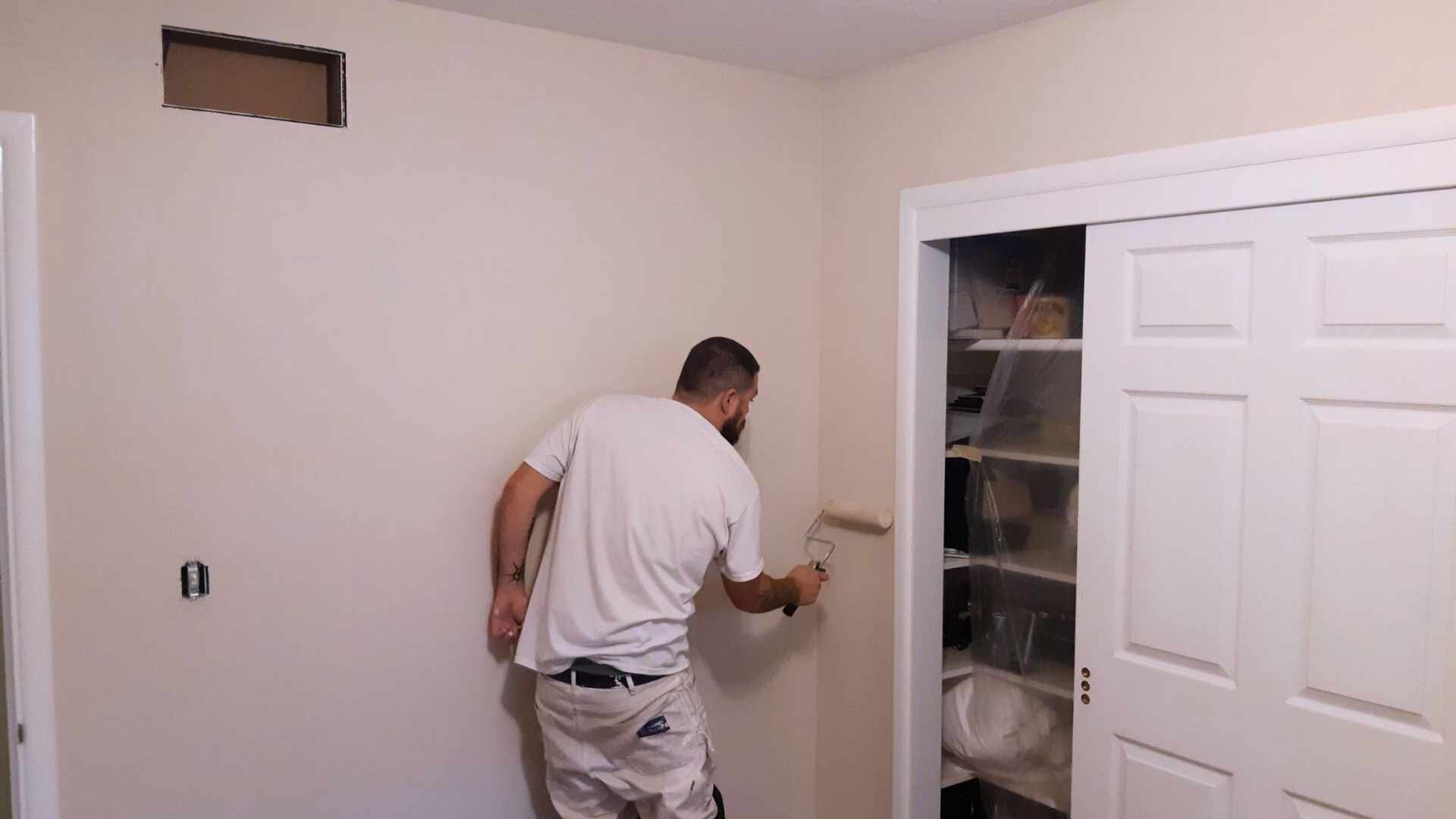
Interior painting services can help coordinate these elements, creating visual harmony between outdoor and indoor areas. A cohesive color strategy increases curb appeal and reflects your personal or brand identity with confidence.
Working with Experienced Professionals
While the paint vs. stain debate is often about style, the difference in results usually comes down to craftsmanship. Professional painters ensure proper surface preparation and product choice, which is vital for longevity and appearance. Spray ’n Coat Painting offers both painting and staining solutions tailored to residential and commercial needs, including deck staining, interior painting, and durable concrete coatings.
Our experts understand how materials behave in Idaho’s climate and apply techniques that balance protection with aesthetics. Every finish—painted or stained—is tested to stand up against time and weather.
Upgrade Your Property with Spray ’n Coat Painting
In the end, paint and stain aren’t competitors—they’re partners in creating lasting beauty. Spray ’n Coat Painting delivers expert solutions for every surface, helping Boise homeowners and business owners achieve finishes that match their goals, lifestyle, and design vision. Whether you’re reviving your home with exterior paint, restoring a deck with stain, or adding strength through concrete coatings, our team ensures precision and care in every brushstroke. Contact us today for a free estimate and let our experienced painters bring color, protection, and personality to your next project.