How Often to Repaint a Commercial Property

November 5, 2025

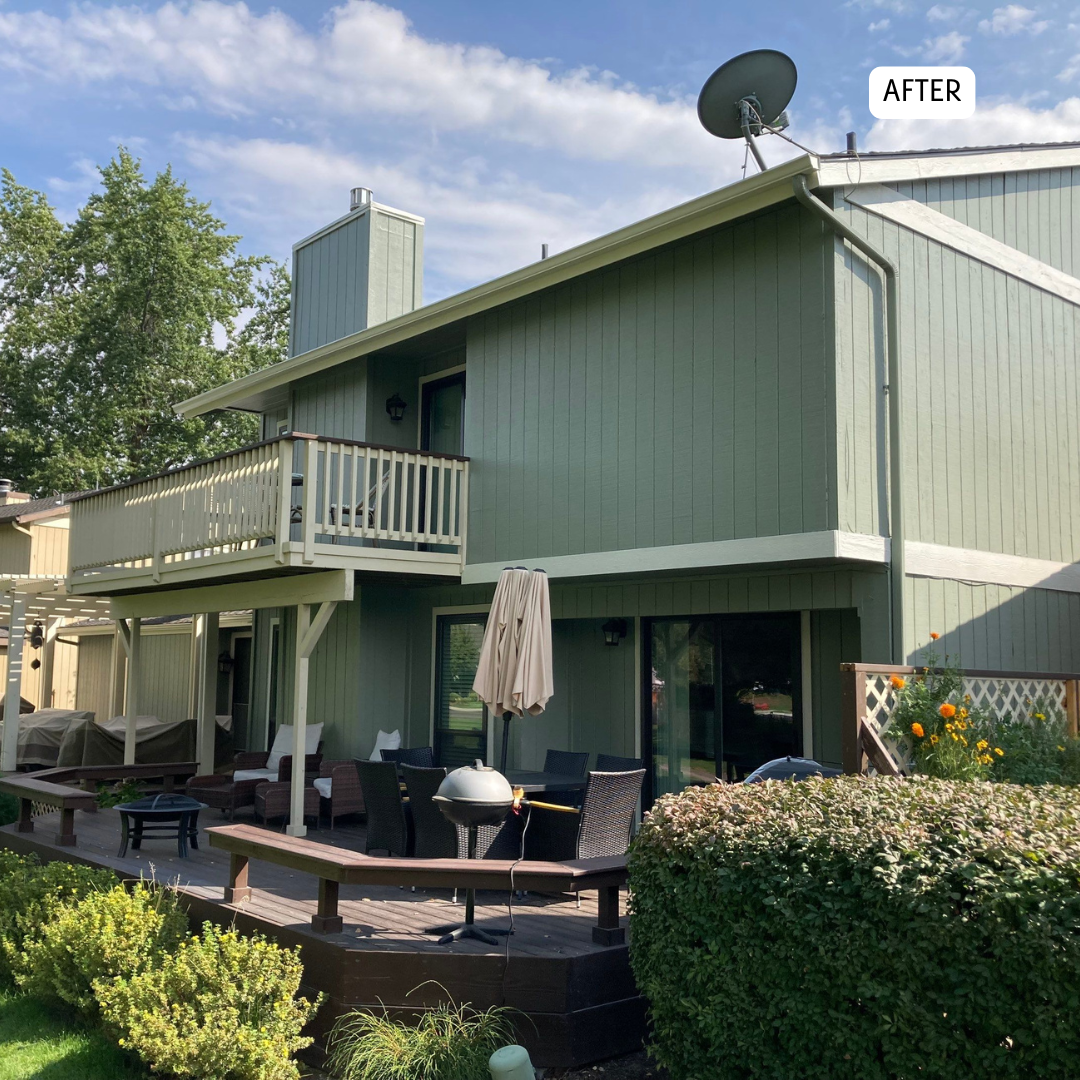
Sparkling walls invite customers in. But – how often to repaint a commercial property? That depends on weather, traffic, and building materials. In Boise, businesses often refresh exteriors about every 5–7 years, though intense sun and seasonal swings can accelerate fading. It's important to know what signs to watch for and some tips for scheduling your next paint job.

Fresh Paint Shows You Mean Business

A well-maintained exterior speaks volumes. A crisp, fresh coat can inspire customer trust and reinforce your brand. When paint is clean and bright, clients feel welcome and confident, and on the other hand, faded or peeling paint can send the opposite message.

When you postpone exterior painting, moisture and UV rays can creep in, inviting costly problems like rusted metal, rotting wood, or cracked siding. Timely repainting offers clear benefits. For example, a fresh coat provides the following:

  • Boosts curb appeal and value. Fresh exterior painting makes your business stand out and can raise property value.
  • Acts like weather armor. It keeps out moisture, dust, pests, and UV damage.
  • Prevents costly decay. New paint seals cracks to avoid rust, rot, and structural damage.
  • Projects professionalism. A clean building shows pride and inspires confidence in customers.

Know How Often to Repaint Your Commercial Property

Industry norms vary, but most experts advise planning a repaint at least every 5 years. In fact, many commercial exteriors get a fresh coat roughly every 5–10 years. High-traffic or harsh environments may need paint even sooner. Inside the building, walls don’t face weather but do see scuffs and wear: busy corridors or lobbies often need repainting every 2–3 years, while quiet offices might last 4–6 years. Ultimately, the timing depends on your location and materials.

Consider these general repaint intervals by surface:

  • Stucco or brick exteriors: ~5–7 years. These materials hold paint fairly well but eventually need touch-ups.
  • Wood surfaces: ~3–7 years. Wood siding, doors or trim can dry out and fade faster, so plan for more frequent coats.
  • Vinyl or metal siding: ~7–10 years. Durable sidings resist fading, allowing a longer interval before repainting.
  • Interiors (high-traffic): ~2–3 years. Hallways, entryways, or busy stores need fresh paint sooner.
  • Interiors (low-traffic): ~4–6 years. Offices or conference rooms can go longer if there’s minimal wear.

These are rough guidelines – consider adding a couple of years if you use premium paint and keep up on maintenance.

Boise’s Climate Can Be Tough on Paint

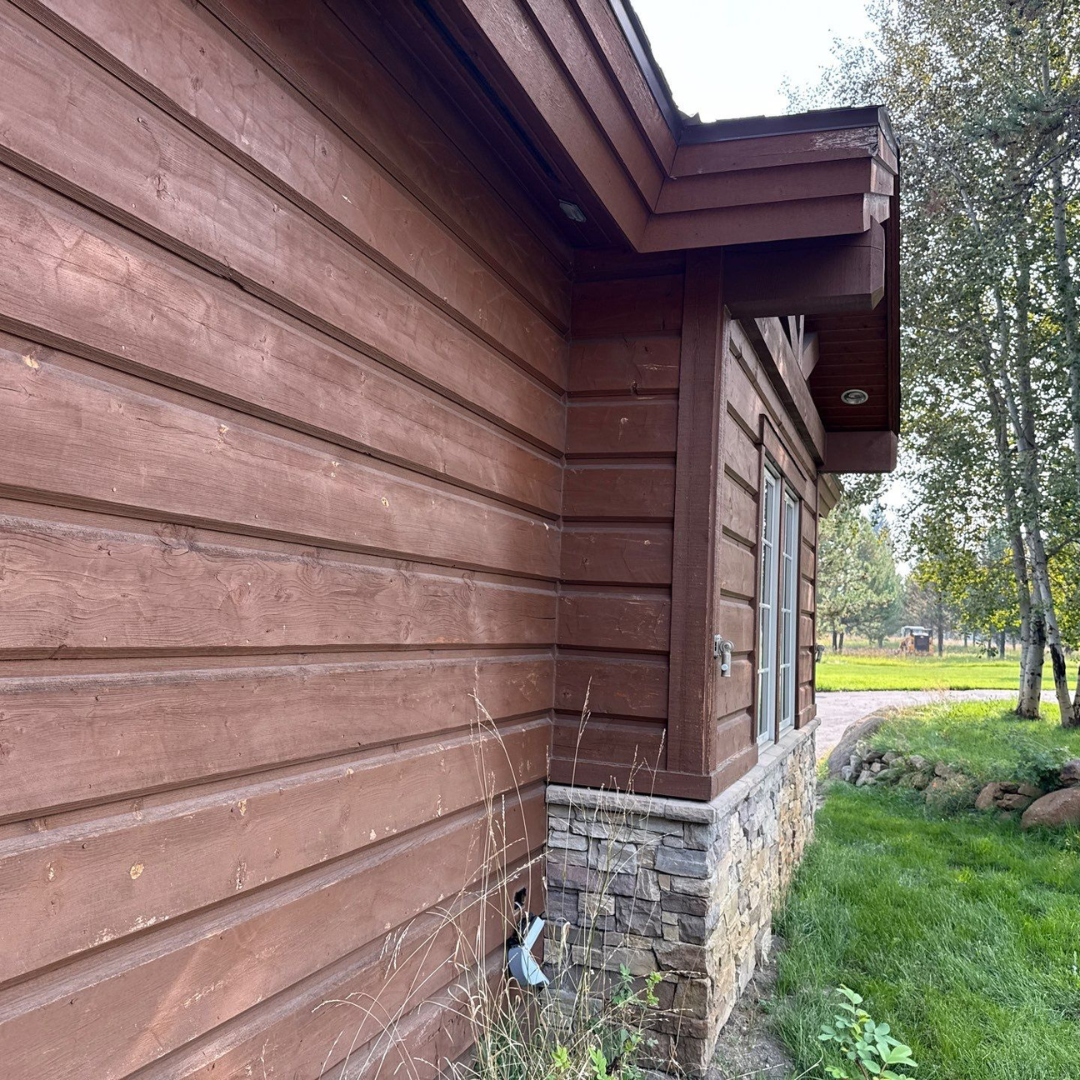
Boise’s high-desert climate puts a lot of stress on painted surfaces. Intense sun, wide temperature swings, and dry air can fade and weaken coatings faster than in milder areas. Winter freeze-thaw cycles make wood and masonry expand and contract, which can crack paint, while dry air can cause paint to cure too quickly, leading to poor adhesion and flaking.

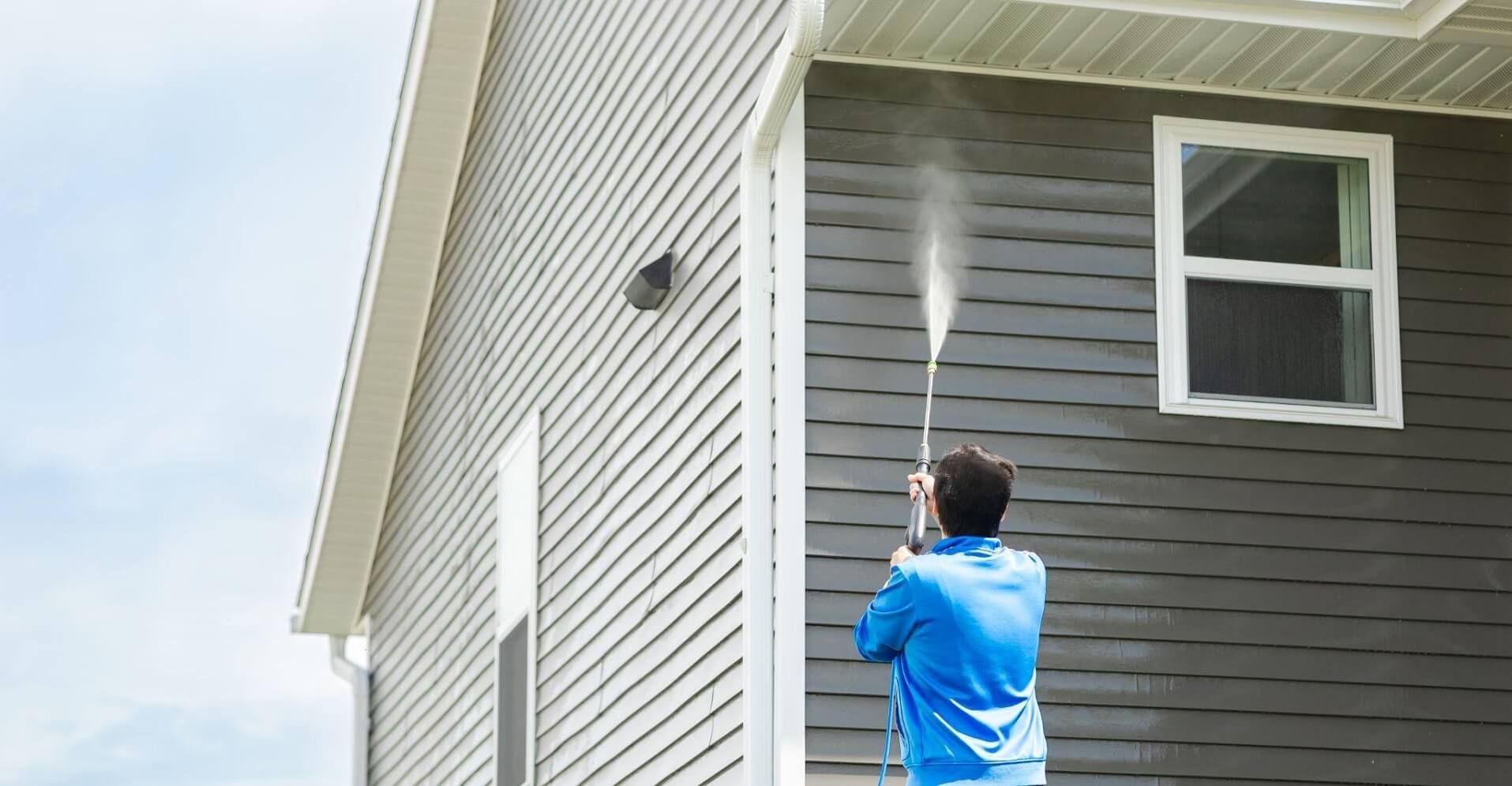
To protect your commercial property, use high-quality, UV-resistant paints and apply them during mild weather. Regular cleaning and power washing remove dirt and help coatings last longer in Boise’s sunny, windy conditions. Keeping an eye on your walls ensures small issues don’t turn into costly repairs.

Watch for Warning Signs on Your Walls

Even on a schedule, your paint may need attention sooner than expected. Peeling, cracking, fading, or chalky surfaces are signs that the protective layer is wearing down. Mold or mildew stains and scuffs from foot traffic or water damage also indicate it’s time for a refresh. Catching these problems early prevents larger repairs and helps maintain your building’s appearance and structural integrity.

Trusts Professionals to Handle the Commercial Painting Job

Repainting a commercial property is more than slapping on a new coat. Professionals prep surfaces thoroughly, use premium materials, and apply paint correctly to ensure durability. This approach creates a strong, long-lasting finish that holds up against Boise’s climate, saving you money over time.

Experienced Residential Painter Team Delivers Lasting Results

If you need a new look for your business or even home, keep in mind that we handle everything – from residential painting services and interior painting to commercial projects. Our house painter team brings expert craftsmanship to cabinet painting, wood staining, and full building refreshes.

For businesses, we offer commercial interior painting, commercial exterior painting, commercial concrete coatings, and complete commercial maintenance services. Decks, garage floors, and patios also get durable coatings that protect and beautify. With our help, your property stays vibrant and well-maintained year-round, so contact us and let's get started.
January 14, 2026
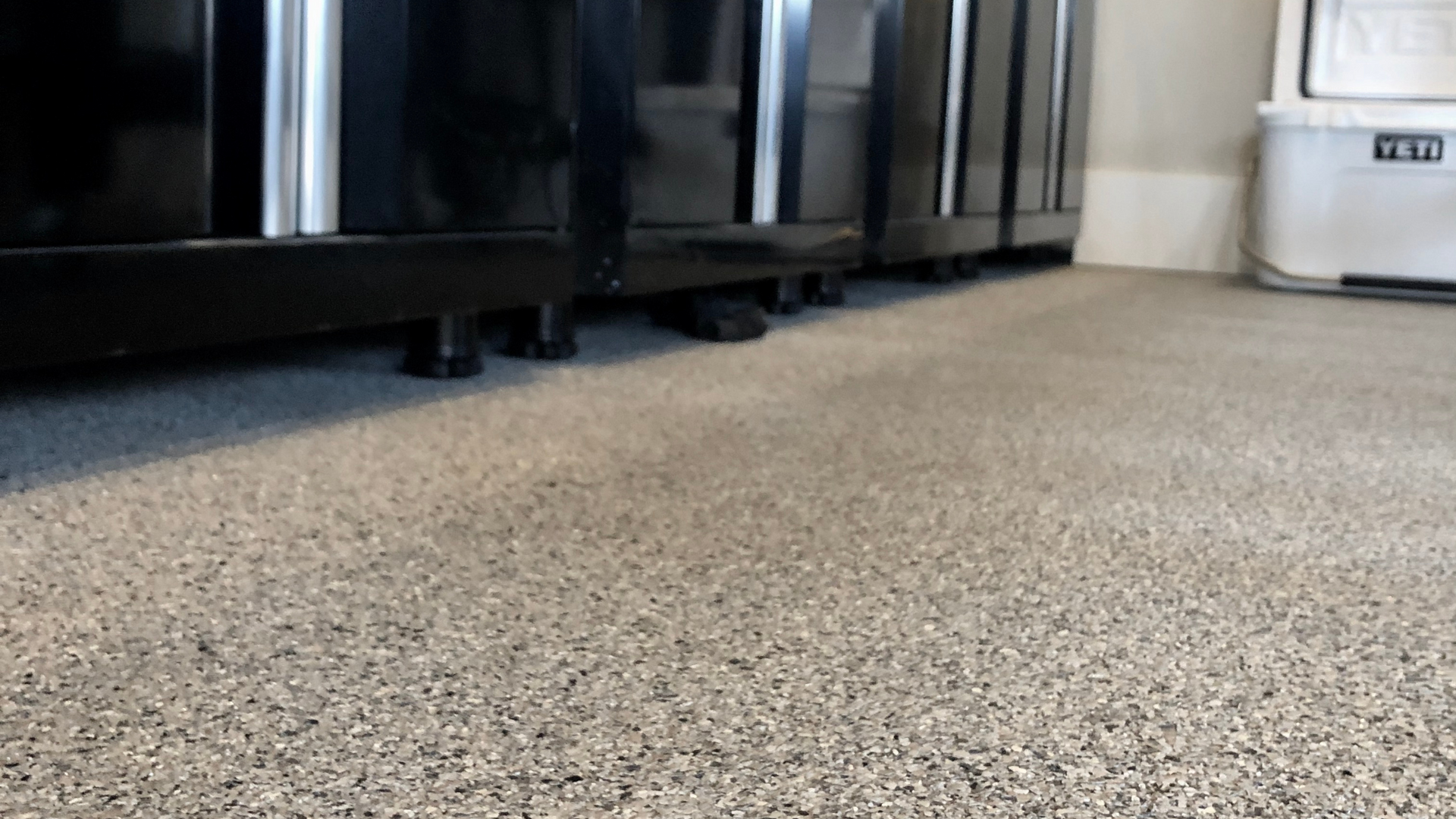
How long do garage floor coatings really last in Boise? Learn realistic lifespan ranges, what affects durability, and when coatings are worth it.
January 7, 2026
Peeling, bubbling, or cracking garage floors are common in Idaho. Learn why coatings fail—and how professional installation prevents it.
By Aaron Cote December 30, 2025
Wondering how often to repaint your home? Learn how Boise homeowners can protect, refresh, and maintain property value with expert painting tips.
By Aaron Cote December 22, 2025
When most people think of paint, they picture color and style. But in the world of industrial painting , coatings do much more than decorate—they protect . Industrial coatings are specialized finishes engineered to shield surfaces from moisture, corrosion, chemicals, and everyday wear. From warehouses and factories to parking garages and commercial floors, these coatings create durable, functional surfaces that stand the test of time. If you own or manage a business property in Boise, understanding what industrial coatings are —and when to use them—can save you thousands in maintenance and repair costs. The Purpose of Industrial Coatings Unlike regular paint, which focuses on appearance, industrial coatings are performance-driven. They’re formulated to protect concrete, metal, and other building materials in demanding environments. These coatings create a tough, protective film that resists impact, abrasion, chemicals, and weather. In essence, industrial coatings are your property’s first line of defense. They prevent rust on metal beams, seal moisture out of concrete floors , and extend the lifespan of surfaces that endure heavy use. Whether used on warehouse floors, machinery, or exterior walls, they deliver both function and longevity . Common Types of Industrial Coatings Different coatings serve different purposes. Here are some of the most widely used types in Boise commercial and industrial spaces: Epoxy Coatings: Known for strength and adhesion, epoxy coatings are ideal for concrete floors, garages, and warehouses. They resist chemicals, oils, and abrasions while providing a smooth, easy-to-clean surface. Polyurethane Coatings: Flexible and UV-resistant, polyurethane coatings are often applied over epoxy for added protection. They work well for exteriors exposed to sunlight and temperature changes. Acrylic Coatings: Acrylics are fast-drying and suitable for both interior painting and exterior applications . They’re often used where aesthetic appeal and moderate protection are both desired. Zinc-Rich Coatings: Used primarily on steel and metal structures, these coatings provide superior corrosion resistance. The zinc acts as a sacrificial barrier, protecting the metal underneath. Elastomeric Coatings: Perfect for roofs, walls, and stucco surfaces, elastomeric coatings stretch and contract with the material underneath, sealing out moisture while maintaining flexibility. Each coating type serves a specific need, and professional painters choose products based on the surface, exposure, and environment. Key Benefits of Industrial Coatings Industrial coatings offer a long list of benefits beyond aesthetics. For Boise business owners, the investment pays off through better protection, lower maintenance, and improved safety. Durability: Coatings create a hard, resilient layer that withstands heavy machinery, traffic, and cleaning. Corrosion Resistance: Metal structures are especially vulnerable to rust and oxidation. Coatings form a barrier against water and oxygen, extending their lifespan. Chemical Protection: Industrial facilities that use solvents, oils, or acids rely on coatings to prevent surface damage and contamination. Easy Maintenance: Coated surfaces are easier to clean and maintain. Dust, dirt, and spills can be wiped away without damaging the finish. Safety and Compliance: Many coatings improve traction, reduce slip hazards, and meet OSHA safety standards—critical for warehouses and production areas. Cost Efficiency: By extending the life of existing structures and surfaces, industrial coatings reduce repair and replacement costs over time. Where Industrial Coatings Are Used Industrial coatings are found everywhere—from large commercial buildings to small workshops. Here are some of the most common applications around Boise: Warehouses and Distribution Centers: Floor coatings protect against forklifts, pallet jacks, and constant movement. Manufacturing Facilities: Coatings safeguard machinery, tanks, and production areas from chemicals and abrasion. Parking Garages: Concrete sealers and waterproof coatings prevent cracks, stains, and salt damage. Retail and Office Buildings: Exterior coatings preserve appearance and protect against weather. Healthcare and Food Service: Hygienic, nonporous coatings maintain cleanliness and meet strict sanitation standards. Agricultural and Industrial Equipment: Protective coatings prevent rust and wear on exposed metal surfaces. Wherever durability and cleanliness matter, industrial coatings deliver. Industrial Coatings vs. Regular Paint While industrial coatings and standard paint may look similar on the surface, their composition and performance are very different.
By Aaron Cote December 18, 2025
Learn how to choose the perfect paint finish for your Boise home. Discover how sheen affects style, durability, and maintenance from Spray ’n Coat Painting experts.
December 17, 2025
Yes, epoxy garage floors can be installed in winter. Learn how Spray ’n Coat controls temperature, prep, and curing for cold-weather success.
December 17, 2025
Find out if a new paint job really increases home value. Learn how interior and exterior painting can improve ROI and buyer appeal for Boise homes.
December 17, 2025
Choosing a Boise painting company? These 8 expert tips help you compare painters, avoid costly mistakes, and hire a team you can trust.
December 12, 2025
Learn what epoxy garage floor coatings actually solve in Idaho’s climate and when they’re worth the investment for Boise-area homeowners.
December 12, 2025
Learn why epoxy floors peel and how proper prep and moisture control prevent failures. Spray ’n Coat Painting outlines what to avoid for long-lasting results.
More Posts