Should You Paint the Trim and Interior Doors When You Paint the Walls?
Last Updated: October 2, 2026
Once homeowners start planning an interior repaint, the project scope can grow quickly. What begins as “let’s repaint the walls” often leads to another question: should the trim and interior doors be painted too?
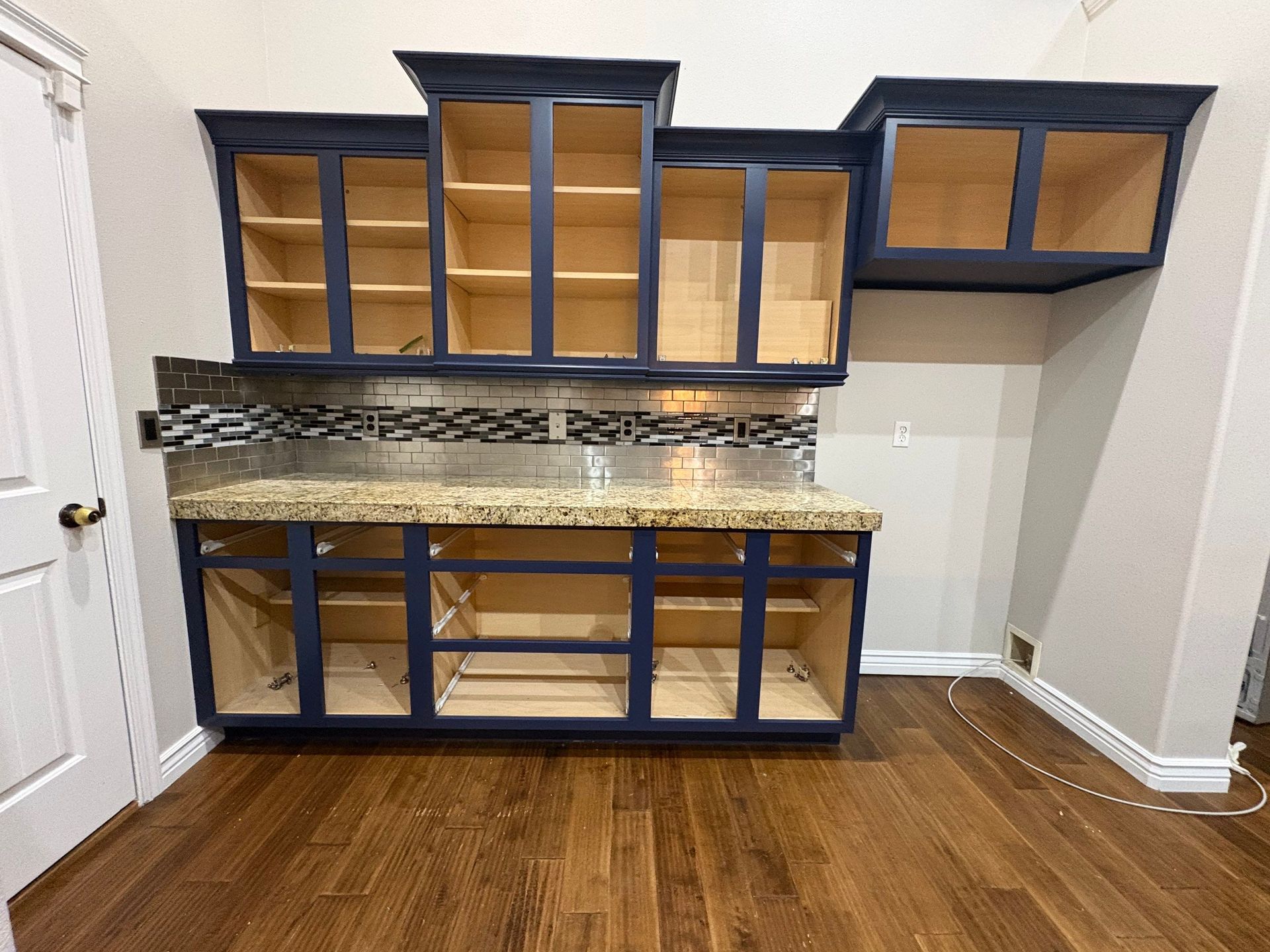
Trim and doors do not always need to be repainted with the walls, but they are worth including when they look yellowed, chipped, mismatched, or noticeably worn next to the new wall color. The right choice depends on the condition of the room, the look you want, and how much of the project you want to take on at once.
Fresh Walls Can Make Older Trim Look More Noticeable
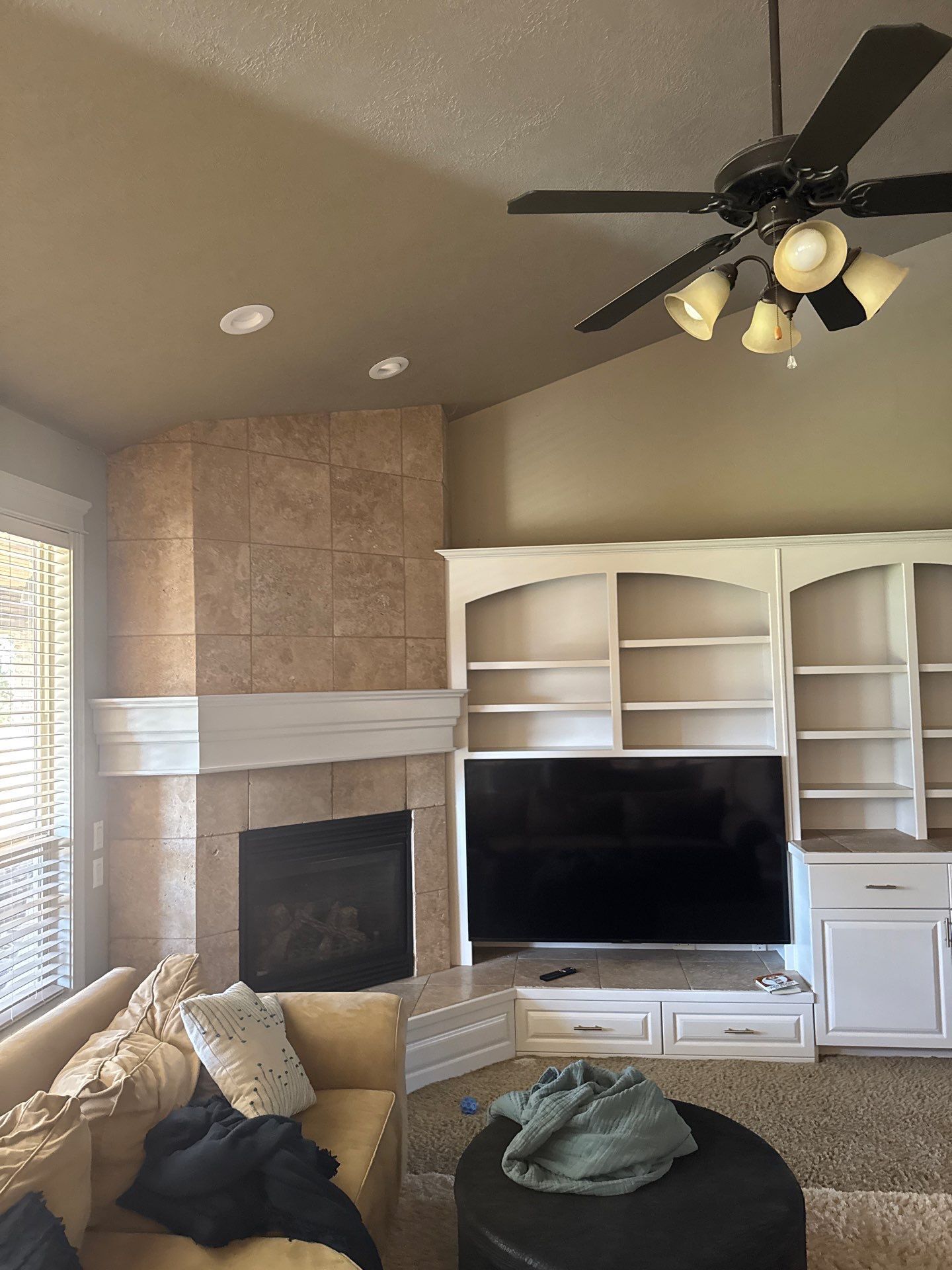
Trim that looks fine today may stand out more after the walls are freshly painted. New wall color can make scuffed baseboards, yellowed trim, old touch-ups, and chipped door casings much more noticeable.
This happens because the walls suddenly look cleaner and more consistent. Any surrounding surface that has aged differently may look dull by comparison. Baseboards, window trim, door trim, and crown molding can all affect how finished the room feels.
That does not mean trim always needs to be repainted. If it is still clean, smooth, and consistent, leaving it alone may be perfectly reasonable. But if fresh walls will make older trim look tired, it is worth considering before the project begins.
Worn Interior Doors Can Affect the Finished Look Too
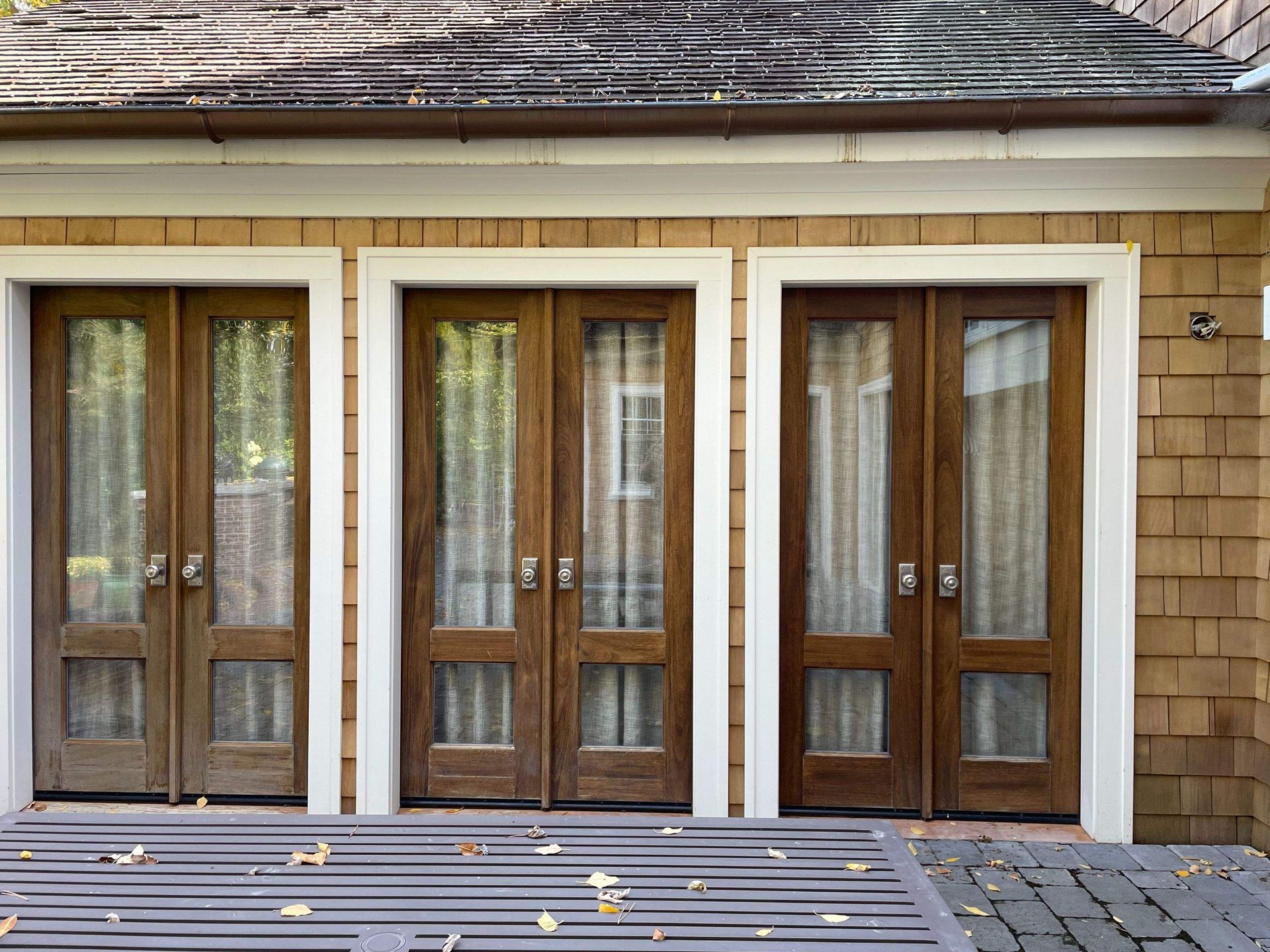
Interior doors take a lot of daily use. They collect fingerprints, scuffs, chipped edges, worn areas around handles, and years of touch-ups. Because doors are large, vertical surfaces, they can have a bigger visual impact than homeowners expect.
A freshly painted bedroom, hallway, or living area can still feel unfinished if the doors look scratched, dingy, or mismatched. This is especially true in hallways where several doors are visible at once.
If the doors are still in good shape, they may not need repainting. But if they are clearly worn, repainting them with the trim can make the whole space feel more complete.
Mismatched Whites Can Be Hard to Ignore
White paint is not one universal color. Some whites are warm and creamy. Others are cooler, brighter, softer, or more gray. A trim color that looked fine with the old walls may suddenly look yellow, dull, or mismatched next to a new wall color.
This can be surprising for homeowners who plan to keep everything neutral. A fresh off-white or light gray wall can make older white trim look more aged than expected. The same can happen when doors and trim were painted at different times with different products.
If the walls, trim, and doors are all staying neutral, it is still worth checking how the whites relate to each other before deciding what to include.
A New Wall Color May Change How the Existing Trim Works
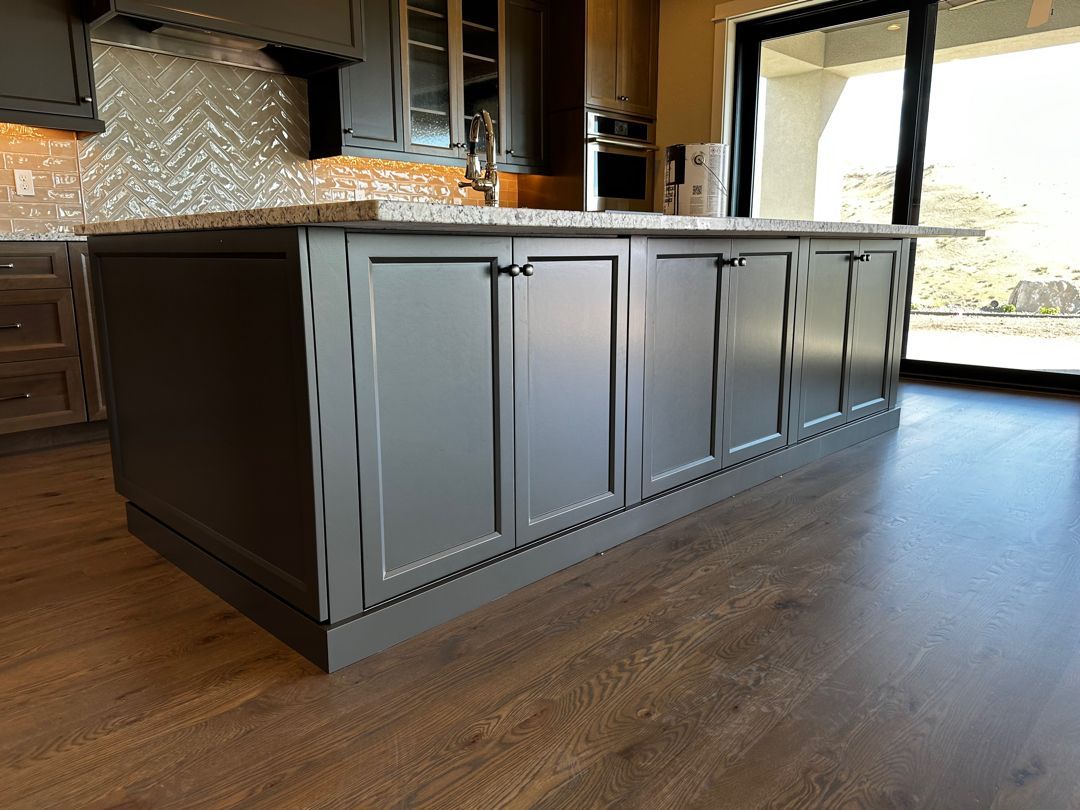
Trim and wall colors work together. A trim color that looked good with beige walls may not have the same effect next to a cooler, darker, or more modern wall color. The trim may suddenly feel too yellow, too stark, or not intentional enough.
Some homeowners prefer to keep traditional white trim and simply refresh it. Others may want a softer white, a warmer neutral, or even a contrasting trim color to create a more designed look. There is no single right answer.
The main point is that trim should be considered as part of the room’s overall look, not as a separate detail. If the new wall color changes how the trim reads, repainting may help the room feel more cohesive.
Trim and Doors Usually Need More Prep Than Walls
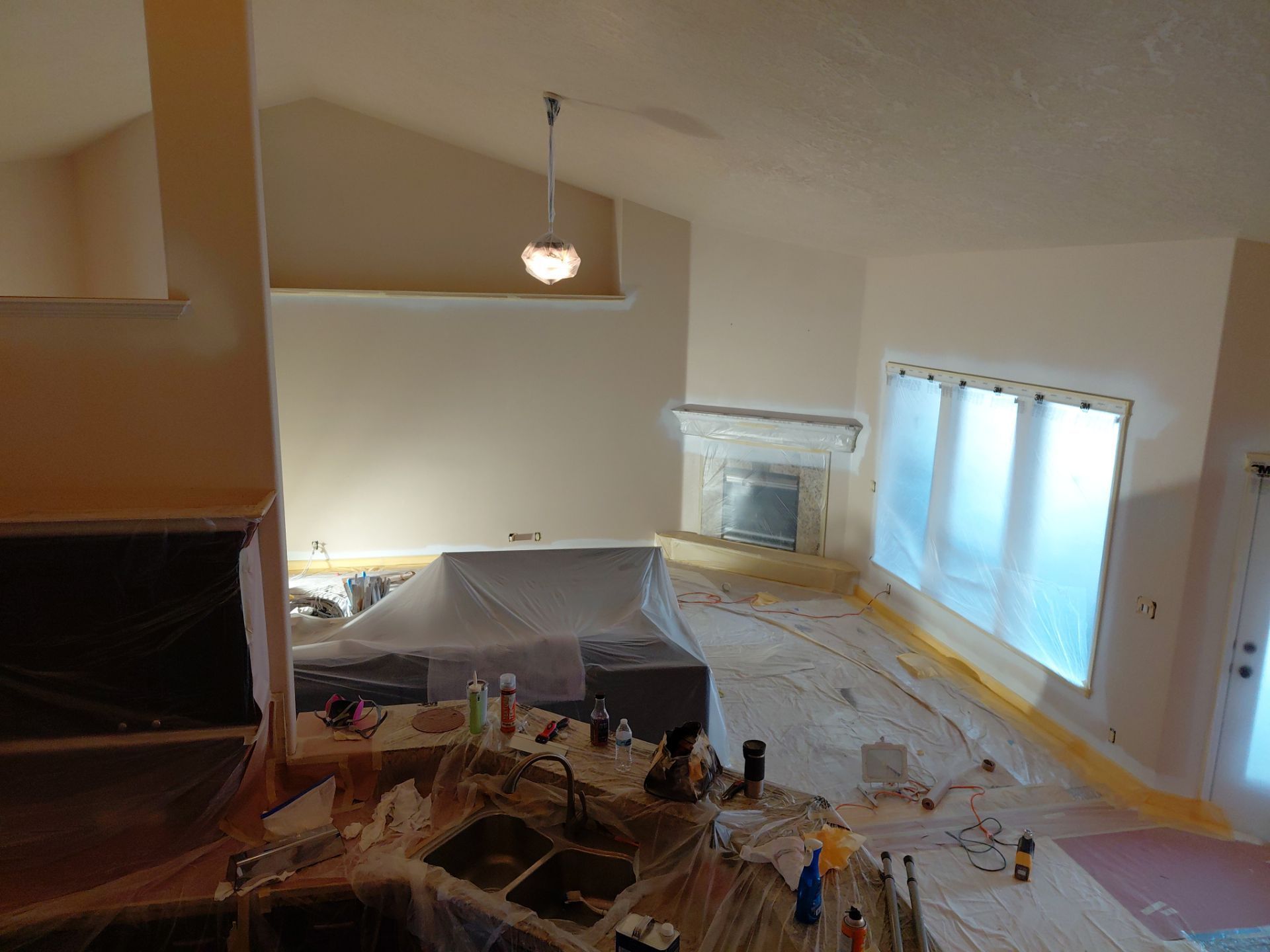
Adding trim and doors to an interior painting project is not always a small add-on. These surfaces often need more detailed prep than walls because they are touched, bumped, cleaned, and exposed to more daily wear.
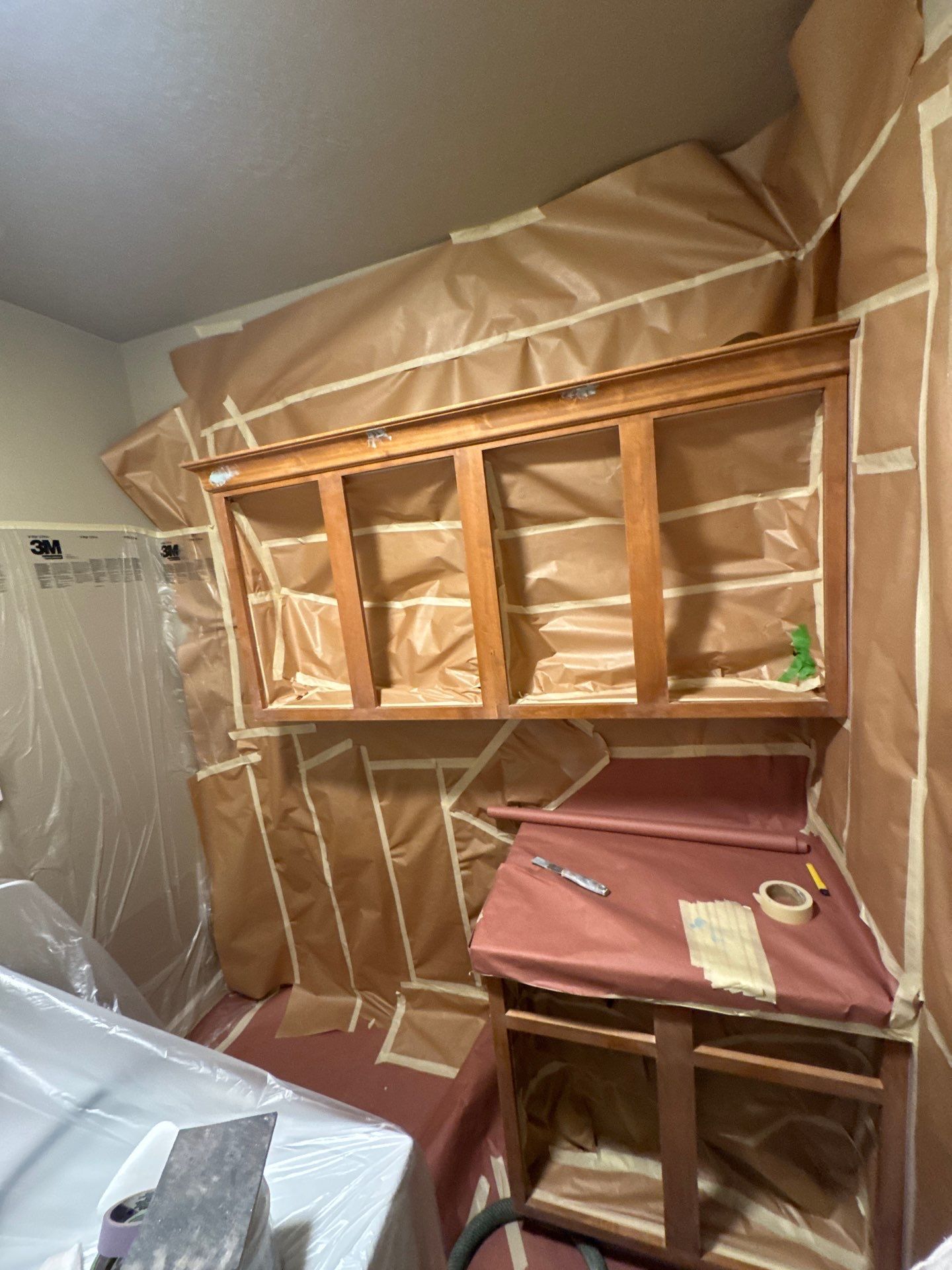
Trim and doors may need cleaning, sanding, filling, caulking, priming, and careful brush or spray work depending on their condition. Baseboards may have dents or gaps. Door casings may have chipped corners. Interior doors may need extra sanding around handles and edges.
This is why painting doors and trim with walls can increase the scope, timeline, and cost of the project. It may be worth it, but homeowners should understand what is involved.
Leaving the Existing Trim Alone Can Be a Smart Choice
You do not need to repaint every surface just because the walls are changing. If the trim and doors are still clean, consistent, and in good condition, leaving them alone can be a smart way to control cost and keep the project focused.
This is especially true when the new wall color works well with the existing trim and the room does not have obvious chips, yellowing, or mismatched finishes. A wall-only refresh can still make a big difference when the rest of the room already looks well maintained.
The goal is not to expand the scope automatically. The goal is to create a finished result that looks intentional.
High-Traffic Areas May Benefit More from Repainting
Some rooms and surfaces wear faster than others. Entryways, hallways, kitchens, family rooms, and kids’ rooms often show more wear on baseboards, door frames, and interior doors. These areas get more foot traffic, more hand contact, and more daily bumps.
In lightly used bedrooms or guest rooms, trim and doors may still look fine even when the walls are ready for a new color. In a busy hallway, worn trim may be one of the first things people notice.
If you are trying to prioritize, focus first on the areas where repainting trim and doors will make the most visible difference.
Painting Everything at Once Can Be More Efficient
If the trim and doors already need attention, painting them during the same project can be more efficient than saving them for later. The rooms are already being protected, furniture is already being moved, and the painting schedule is already in place.
Painting walls, trim, and doors together can also create a more consistent finish. Instead of updating one surface now and another later, the whole room gets refreshed at the same time.
That does not mean it is always the better choice. If the trim is in great shape or the budget is focused on wall color first, phasing the project may make more sense.
Boise Homes Can Show Wear Differently from Room to Room
In Boise area homes, everyday use, seasonal dirt, dry conditions, and busy entry areas can make some trim and doors look more worn than others. Baseboards near exterior doors, mudroom areas, hallways, and main living spaces often show more scuffing than lower-traffic rooms.
This is another reason to evaluate each space separately. One room may only need fresh wall paint, while another may benefit from repainting the doors, trim, and walls together.
The Right Scope Depends on What You Want the Room to Feel Like
Some homeowners want a simple wall-color refresh. Others want the room to feel completely renewed. Both goals are valid, but they often lead to different project scopes.
If the trim and doors are in good condition, repainting the walls may be enough. If the room still feels worn after imagining the walls freshly painted, the trim and doors may need to be included. Condition, color, budget, and expectations should all guide the decision.
A good interior painting plan should help you decide what actually needs attention, not pressure you into painting every surface automatically.
Plan Your Interior Refresh with Spray ’n Coat
Fresh wall paint can make a room feel cleaner and more updated, but the surrounding trim and doors still affect the final result. If those surfaces are chipped, yellowed, scuffed, or mismatched, including them in the project may help the room feel more complete.
Spray ’n Coat Painting helps homeowners throughout Boise, Nampa, Meridian, and the
Treasure Valley plan interior painting projects around their goals, budget, and room condition. If you are deciding whether to paint the walls only or include the trim and doors, request an estimate or consultation to get practical guidance before the project begins.