Do You Need to Repaint the Ceiling When You Repaint the Walls?
Last Updated: October 2, 2026
When homeowners plan an interior repaint, the first question is usually about wall color. But once the project scope comes together, another question often comes up: should the ceiling be painted too? It can be tempting to include everything at once, but not every ceiling needs a fresh coat just because the walls are being repainted.
Ceilings do not automatically need to be repainted with the walls, but repainting makes sense when the ceiling is stained, discolored, repaired, noticeably aged, or no longer works well with the new wall color. The right choice depends on the ceiling’s condition and how finished you want the room to feel.
When the Existing Ceiling Can Usually Stay
A ceiling can often stay as-is if it is clean, even, and in good condition. If there are no visible stains, patches, cracks, yellowing, or sheen differences, repainting may not add much value to the project.
This is especially true in bedrooms, offices, and low-traffic rooms where the ceiling has not been exposed to much moisture, smoke, cooking residue, or wear. If the ceiling color still works with the new wall color and looks consistent from corner to corner, it may be perfectly fine to leave it alone.
Including the ceiling is not automatically wrong, but it should be a choice based on condition and appearance, not just habit.
Yellowing or Dullness Can Make Fresh Walls Look Less Finished
Ceilings can slowly discolor over time without homeowners noticing. Dust, age, cooking residue, smoke, candles, and normal household activity can all make a ceiling look dull, yellowed, or gray compared to how it once looked.
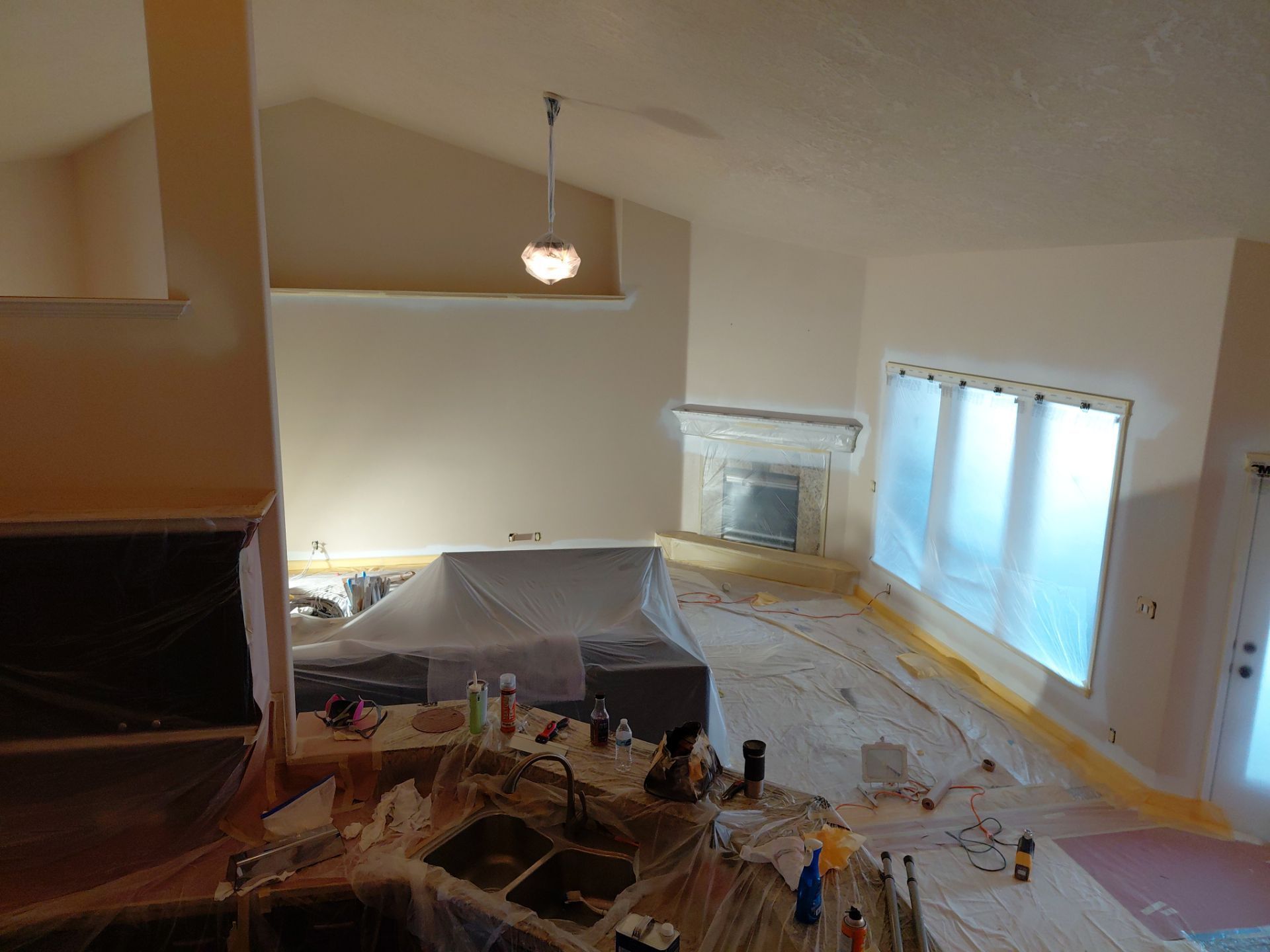
The difference often becomes more obvious after the walls are painted. Fresh wall color can make an older ceiling look tired by comparison, even if it seemed fine before the project started. This is why it helps to look at the ceiling in the same lighting and context as the new wall color.
If the ceiling looks noticeably dingy next to freshly painted walls, repainting it can help the room feel cleaner and more complete.
Water Stains and Other Marks Should Be Addressed Before Painting
Visible stains, spots, or discoloration are common reasons to repaint a ceiling. However, stains should not be treated as a simple paint problem until the cause is understood.
If the mark came from an old leak that has already been fixed, the ceiling may need proper prep, stain-blocking primer, and a finish coat. If the stain is from an active roof, plumbing, or moisture issue, that source should be repaired first. Painting over an unresolved moisture problem may hide it temporarily, but the stain can return.
This is especially important in bathrooms, kitchens, laundry rooms, and areas below plumbing or rooflines.
Ceiling Repairs Often Make a Full Repaint Look Better
Small ceiling repairs can be hard to blend. Patched cracks, drywall repairs, nail pops, texture touch-ups, or previous damage may leave differences in texture or sheen even after a small paint touch-up.
Because ceilings catch light differently than walls, a repaired area can stand out more than expected. A small patch may look fine from one angle but become obvious when natural light crosses the ceiling.
When repairs are visible or spread across multiple areas, painting the full ceiling usually creates a cleaner result than trying to blend isolated spots. It gives the surface one consistent finish instead of several slightly different patches.
A Big Wall-Color Change Can Change How the Ceiling Looks
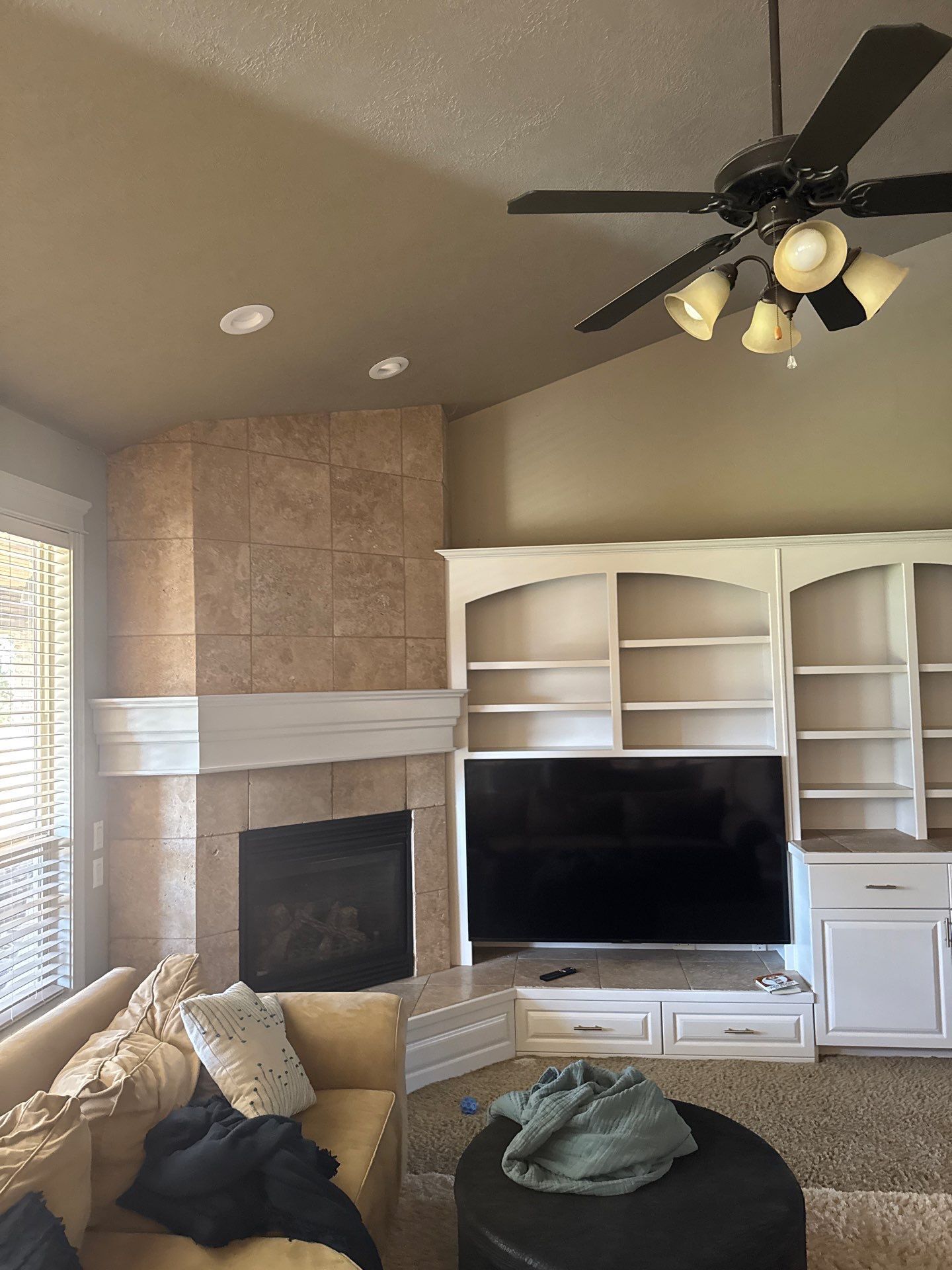
The relationship between wall color and ceiling color matters. A ceiling that looked fine with beige walls may look too warm next to a cooler gray, blue, green, or white wall color. A ceiling that once seemed white may suddenly look cream, yellow, or dull after the walls are updated.
That does not mean every wall-color change requires ceiling paint. If the ceiling still looks clean and works with the new palette, it can stay. But when the wall color changes dramatically, it is worth checking whether the ceiling still supports the finished look of the room.
A fresh ceiling can help the whole space feel intentional instead of making the walls look new while the top of the room looks older.
Ceilings in Kitchens and Bathrooms May Need Attention Sooner
Kitchens and bathrooms often age differently than bedrooms or living rooms. Kitchen ceilings may collect cooking residue, smoke, grease, or general discoloration. Bathroom ceilings can be affected by moisture, steam, ventilation issues, and mildew-prone conditions.
Because of that, these ceilings should be evaluated separately. A bedroom ceiling may still look fine after many years, while a bathroom ceiling may need attention sooner because of moisture and daily use.
If a kitchen or bathroom is being repainted, it is worth looking closely at the ceiling before deciding to leave it out of the project.
Ceiling Paint Usually Ages More Slowly Than Wall Paint
Ceilings often do not need repainting as often as walls because they do not receive the same daily contact. Walls get scuffed by furniture, touched by hands, marked by kids or pets, and exposed to more direct wear. Ceilings usually avoid most of that.
This is why a well-maintained ceiling may still look good when the walls are ready for a new coat. If the ceiling is clean, smooth, and visually consistent, repainting the walls alone may be enough to refresh the room.
The ceiling should be considered, but it does not need to be included automatically.
Repainting the Ceiling Can Make the Whole Room Feel More Complete
When a ceiling does need attention, repainting it can make a noticeable difference. A clean, consistent ceiling can make the room feel brighter, fresher, and more finished, especially when the walls are also getting a major update.
This is most noticeable in rooms with older ceilings, visible repairs, yellowing, stains, or a wall-color change that makes the ceiling look off. In those cases, leaving the ceiling untouched may keep the room from feeling fully refreshed.
A ceiling repaint is not always necessary, but when the ceiling is dragging down the room, it can be worth including.
Think About the Ceiling Before the Project Starts
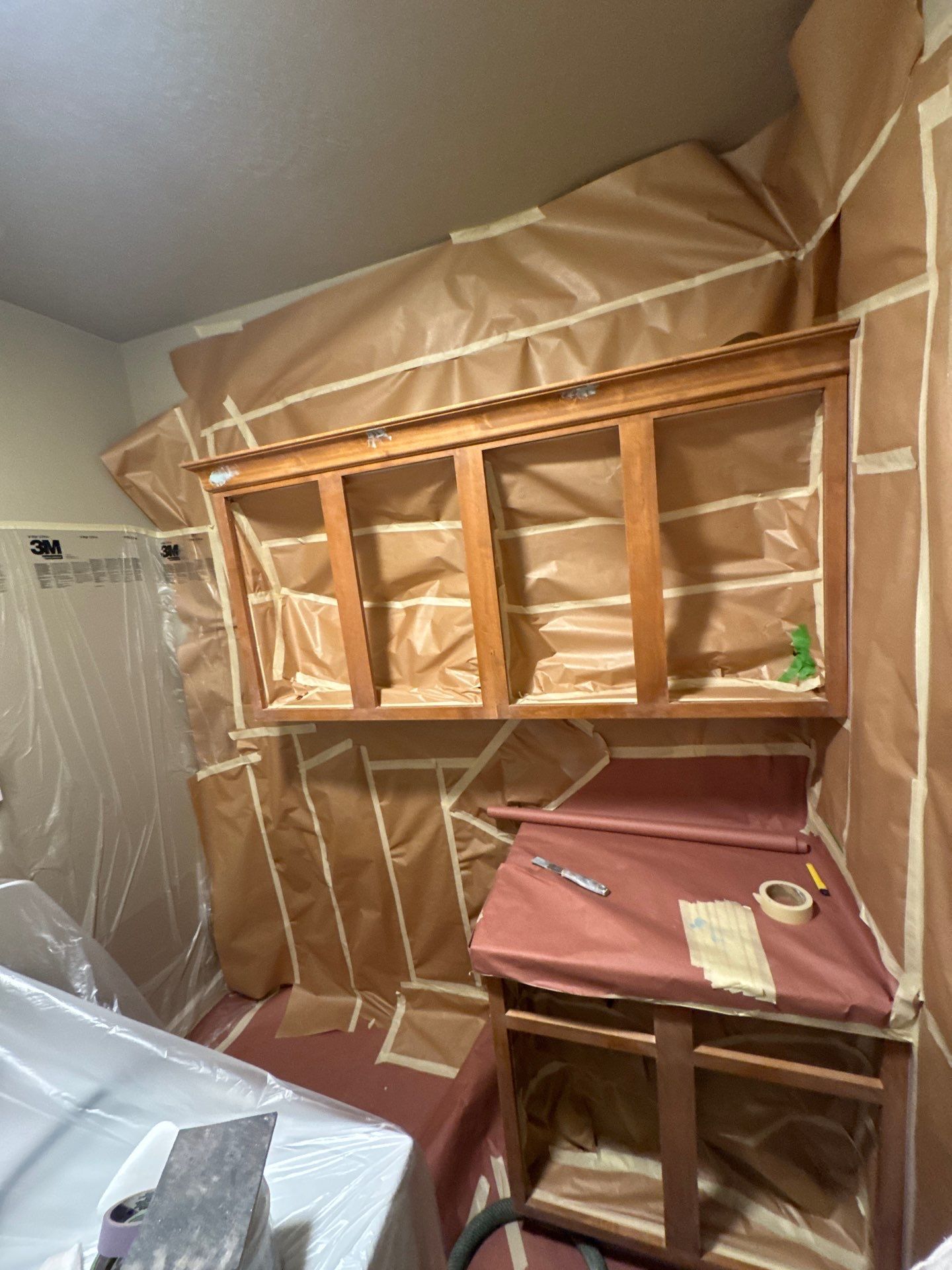
It is best to decide on the ceiling before the project begins. Adding it later can affect scheduling, furniture protection, prep work, drying time, and the overall project plan.
Before painting starts, look for:
- stains, yellowing, or dullness
- cracks, patches, or texture differences
- areas where old repairs still show
- color mismatch with the new wall paint
- kitchen or bathroom moisture concerns
- ceilings that look aged next to freshly painted walls
For Boise homeowners planning larger interior refreshes, it may be easier to address ceilings at the same time if they already need attention. The room is already being protected, prepped, and painted, so adding the ceiling can sometimes be more efficient than scheduling it later.
Plan the Right Interior Painting Scope with Spray ’n Coat
You do not always need to repaint the ceiling when you repaint the walls. But if the ceiling is stained, dull, repaired, discolored, or visually clashing with the new wall color, including it can help the room feel more complete.
Spray ’n Coat Painting helps homeowners throughout Boise, Nampa, Meridian, and the
Treasure Valley plan interior painting projects around the actual condition of each room. If you are deciding whether to repaint the ceiling with the walls, request an interior painting estimate or consultation to get practical guidance before the project begins.