Can My Cabinets Be Painted? A Material-by-Material Guide
Last Updated: October 2, 2026
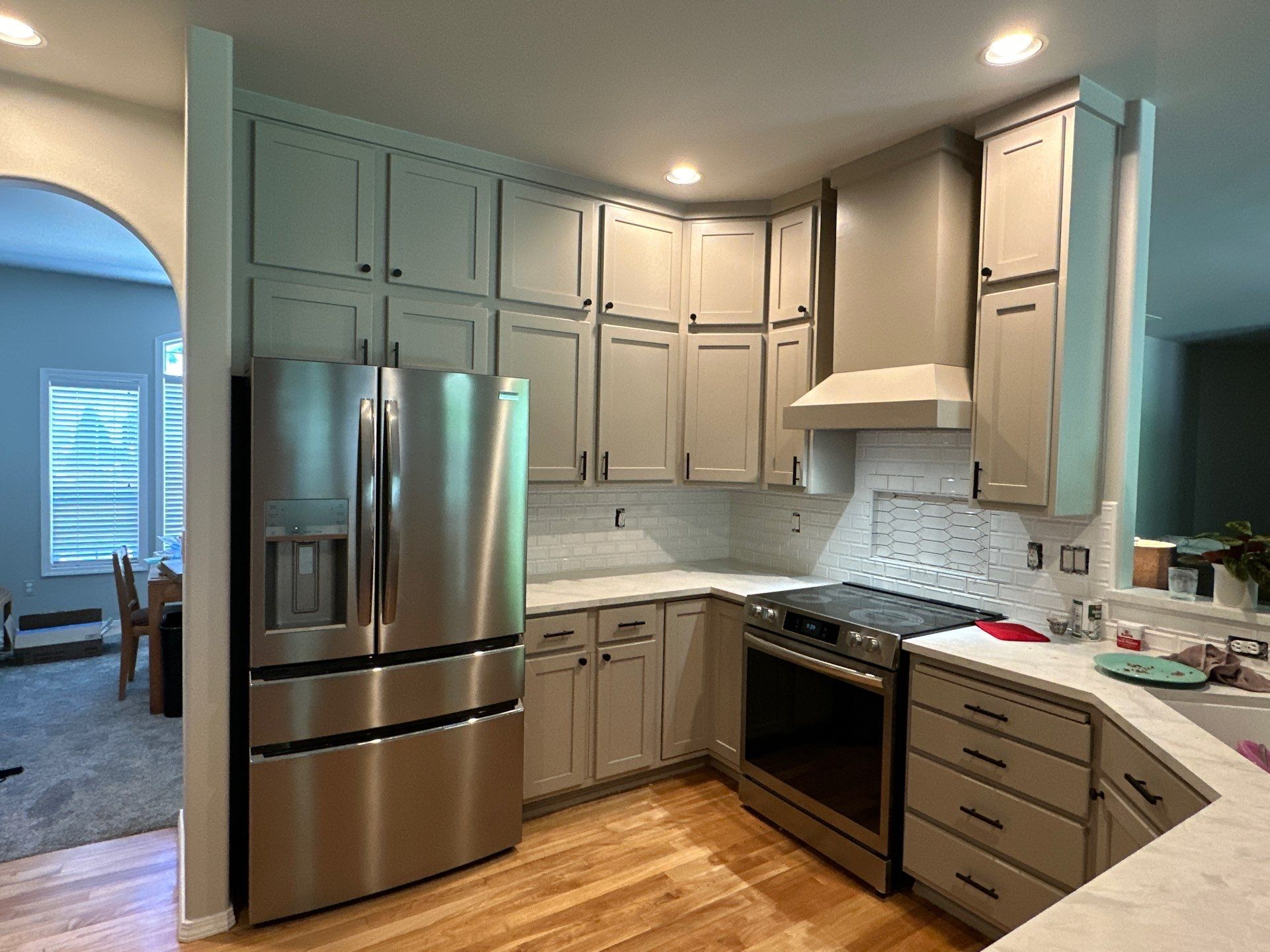
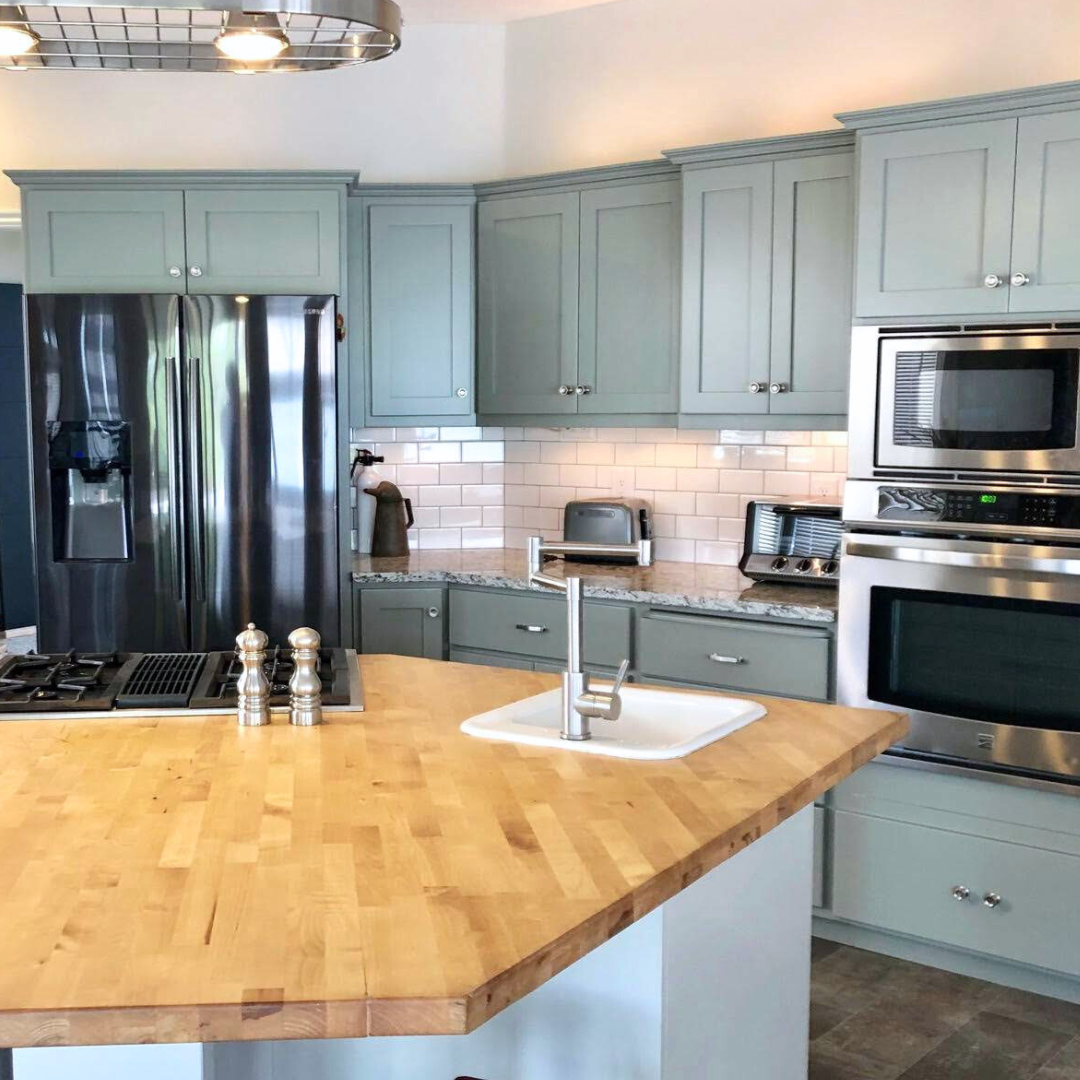
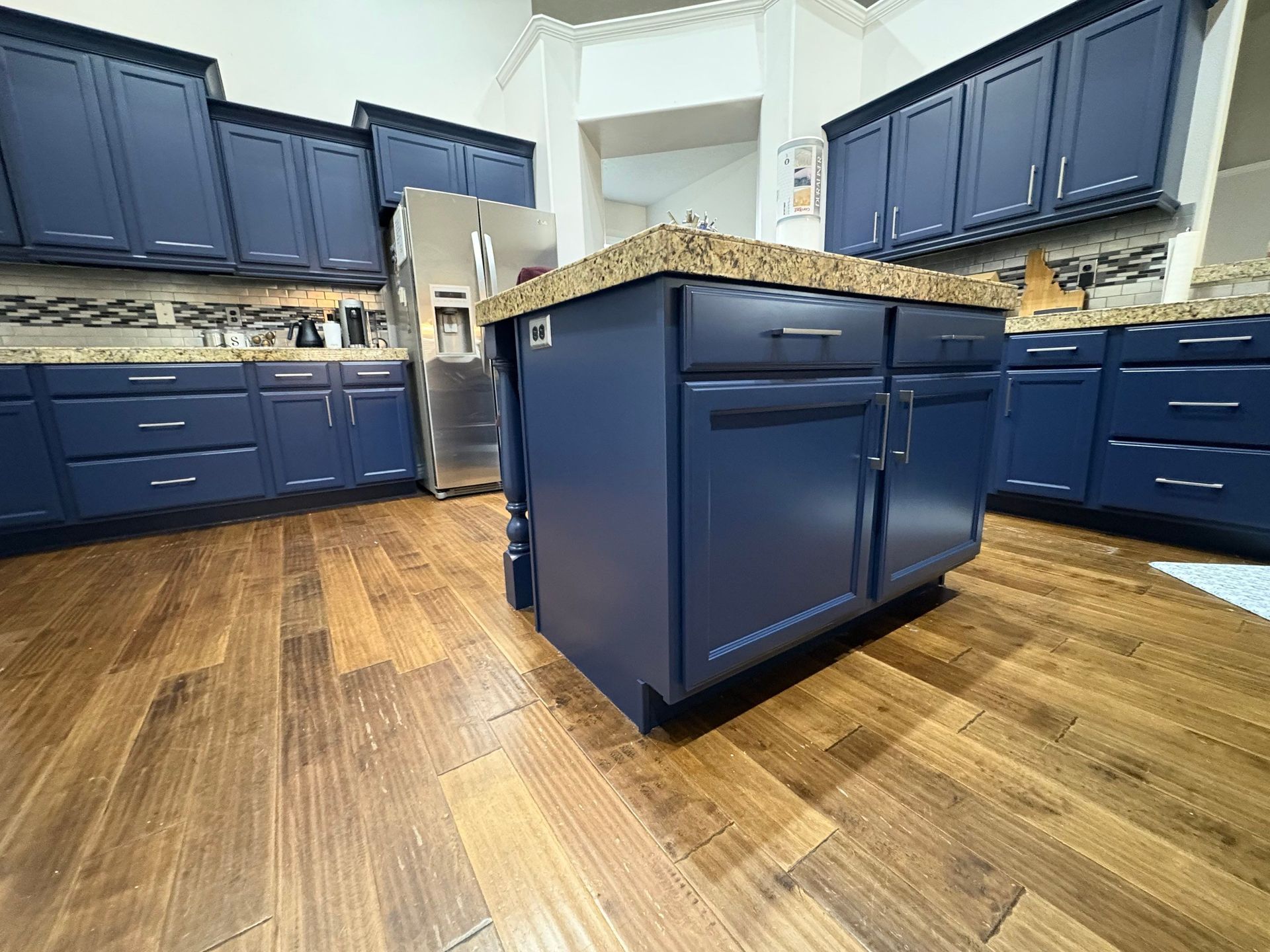
If you like your kitchen layout but dislike the cabinet color or finish, painting can be a practical alternative to full replacement. Still, many homeowners are not sure whether their existing cabinets are actually good candidates for painting. The answer depends on what the cabinets are made from, how they were finished, and what condition they are in now.
Many cabinet materials can be painted when they are structurally sound and prepared correctly, but some surfaces require specialized prep or may not be good candidates at all. Before deciding, it helps to understand how common materials like wood, MDF, veneer, laminate, thermofoil, and previously painted cabinets respond to refinishing.
Cabinet Material Matters, but Condition Matters Just as Much
The material is important, but it is not the only thing that determines whether cabinet painting makes sense. Cabinets also need to be evaluated for water damage, peeling finishes, loose doors, swollen panels, failing boxes, and worn hardware.
Cosmetic problems and structural problems are not the same. A dated stain color, faded finish, or worn cabinet face may be a good candidate for painting. A cabinet box that is falling apart, a door that is warped beyond repair, or panels that have swollen from moisture may need repair or replacement before refinishing is worth considering.
In other words, the question is not only “can this material be painted?” It is also “will painting this cabinet produce a durable, attractive result?”
Solid Wood Cabinets Are Usually Strong Candidates for Painting
Solid wood cabinets are often among the best candidates for professional cabinet painting. When the doors, frames, and boxes are in good condition, wood usually accepts proper cleaning, sanding, primer, and cabinet-grade coatings well.
The final appearance depends on the wood species, the existing finish, and the grain pattern. Some wood paints very smoothly. Other wood keeps more visible grain, even after the color changes. That does not mean the project failed. It simply means the natural surface affects the finished look.
Oak Cabinets
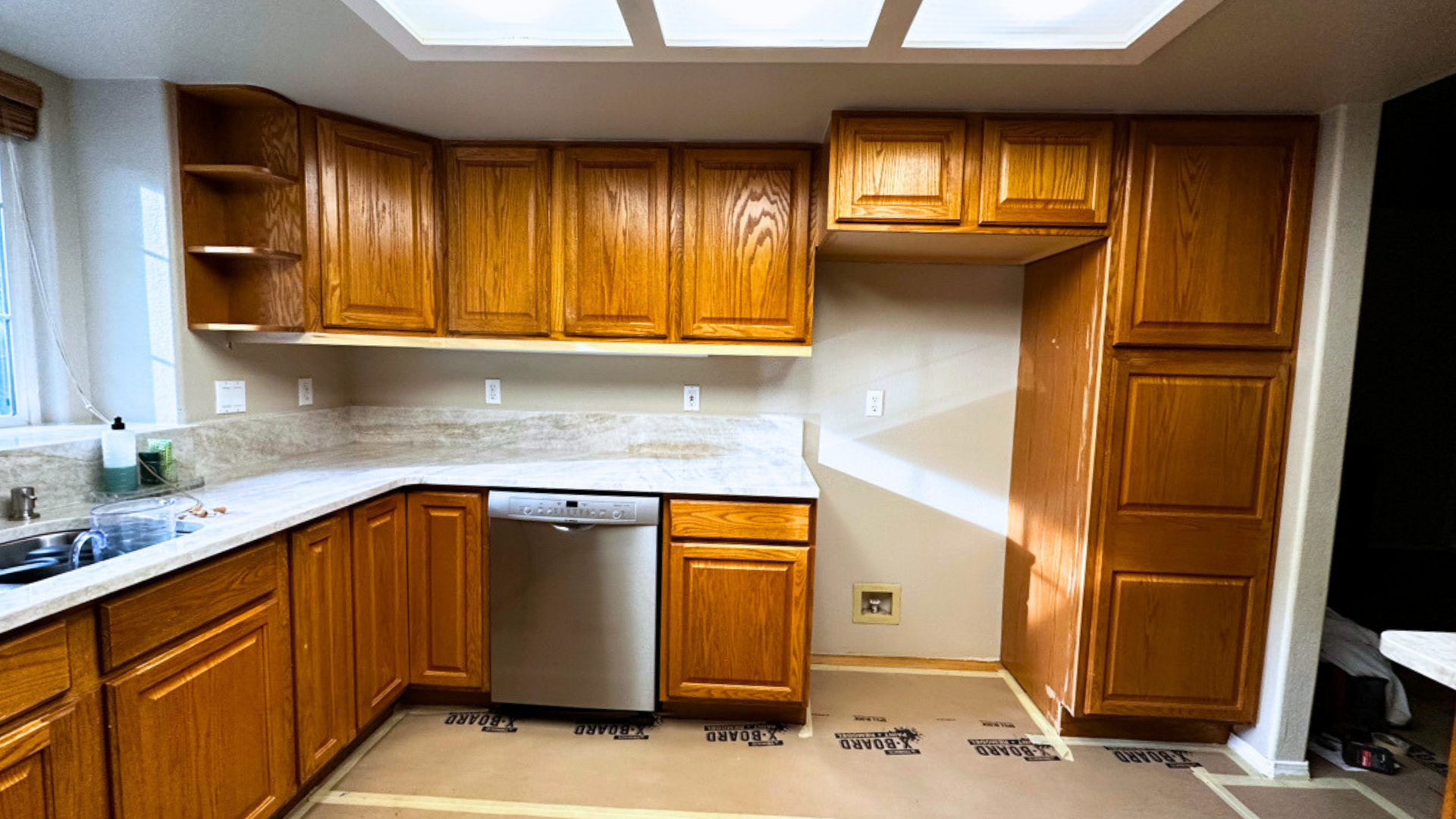
Oak cabinets can usually be painted successfully, but the grain is often more pronounced than other woods. Even after painting, the grain pattern may still show through the finish unless additional grain-filling work is included.
For some homeowners, this is perfectly acceptable. They want a fresh color but do not mind seeing some natural wood texture. Others want a smoother, more furniture-like finish. That expectation should be discussed before the project begins because the amount of prep affects both the look and the scope.
Maple and Other Smooth-Grain Woods
Maple and other smoother-grain woods can often produce a more uniform painted appearance. Because the grain is less prominent, the final result may look cleaner and smoother than painted oak.
That said, smooth wood still needs proper prep. Existing clear coats, stains, oils, and surface buildup must be cleaned, sanded or deglossed, and primed correctly so the new coating can bond. Skipping those steps can lead to peeling, chipping, or poor adhesion later.
MDF Cabinets Can Often Be Painted Successfully
MDF is commonly used for cabinet doors, panels, and painted cabinet components. When it is in good condition, MDF can create a smooth painted finish because it does not have the same open grain as wood.
The challenge is moisture damage. If MDF has swollen, chipped, softened, or started breaking apart, it may be difficult to restore cleanly. Edges are especially important because damaged MDF can absorb moisture and lose its shape. Minor imperfections may be repairable, but badly swollen or deteriorated MDF may need replacement before refinishing.
Veneer Cabinets Need Careful Evaluation
Veneer cabinets have a thin surface layer applied over another material. That surface may be real wood veneer or another finish layer, depending on the cabinet. Veneer can often be painted if it is still firmly attached and in good condition.
Problems start when the veneer is peeling, bubbling, lifting at the edges, or badly damaged. Paint will not solve loose veneer. If the surface is unstable, the new finish may fail because the layer underneath is already separating.
In some cases, veneer can be repaired before painting. In others, the damage may make refinishing less practical. A careful evaluation is important before assuming these cabinets can be painted like solid wood.
Laminate Cabinets Can Be Painted, but Prep Is Critical
Laminate cabinets are more challenging because the surface is smooth and nonporous. Paint does not naturally grip laminate the way it can grip properly prepared wood. This is why painting laminate cabinets with ordinary wall paint often leads to poor results.
A successful laminate cabinet project depends on thorough cleaning, surface preparation, adhesion-promoting primer, and compatible coatings. The goal is to create a surface that the new finish can bond to instead of sitting on top of a slick material.
Laminate can be painted in the right circumstances, but it is not a surface where shortcuts are forgiving. Prep and product selection matter a lot.
Thermofoil Cabinets Are More Complicated
Thermofoil cabinets often have a vinyl-like surface applied over MDF. Homeowners usually notice problems when the surface starts peeling, lifting, or bubbling around edges, corners, or heat-exposed areas near ovens, dishwashers, or coffee makers.
Thermofoil is more complicated because failing surface material cannot simply be painted over and expected to last. In some cases, the thermofoil may be removed and the underlying material may be paintable if it is in suitable condition. In other cases, the doors or components may not be worth refinishing.
This is one of the cabinet types where honest guidance matters. If the surface is failing badly or the substrate is damaged, replacement may make more sense than trying to force a paint solution.
Stained Cabinets Can Usually Be Painted Without Removing Every Trace of Stain
Many homeowners assume stained cabinets must be stripped back to bare wood before painting. That is not always the case. Professional cabinet painting usually focuses on cleaning, degreasing, sanding or deglossing, repairing defects, and applying the right primer so the new coating can bond properly.
The existing stain does not always need to be fully removed, but the surface must be properly prepared. Dark stains, certain wood tannins, or old finishes may require extra primer consideration to prevent bleed-through or adhesion problems.
Painting stained cabinets can be a strong option when the cabinets are structurally sound but the color no longer fits the kitchen.
Previously Painted Cabinets Need a Closer Look
Previously painted cabinets can often be repainted, but the condition of the existing coating matters. If the old paint is firmly bonded and reasonably smooth, it may be possible to prep and repaint successfully.
If the old paint is peeling, chipping, sticky, thick, or covered in brush marks, the project becomes more involved. The new coating is only as reliable as the surface beneath it. Painting over an unstable coating can lead to the same problems coming back through the new finish.
Unknown products can also create challenges. If the previous paint was not cabinet-grade or was applied without proper prep, additional sanding, removal, priming, or repair may be needed before repainting.
Some Cabinet Problems Should Be Fixed Before Painting
Paint can change the appearance of cabinets, but it cannot fix every cabinet problem. Before refinishing, homeowners should look for issues that may need repair first.
Common concerns include loose hinges, broken doors, swollen panels, water damage, peeling surfaces, warped components, failing drawer boxes, or cabinet frames that are no longer secure. Some of these issues are minor and can be corrected before painting. Others may point to cabinets that are no longer a good investment.
Painting works best when the cabinets are solid and functional, but cosmetically dated.
Painting Makes the Most Sense When You Like the Existing Layout
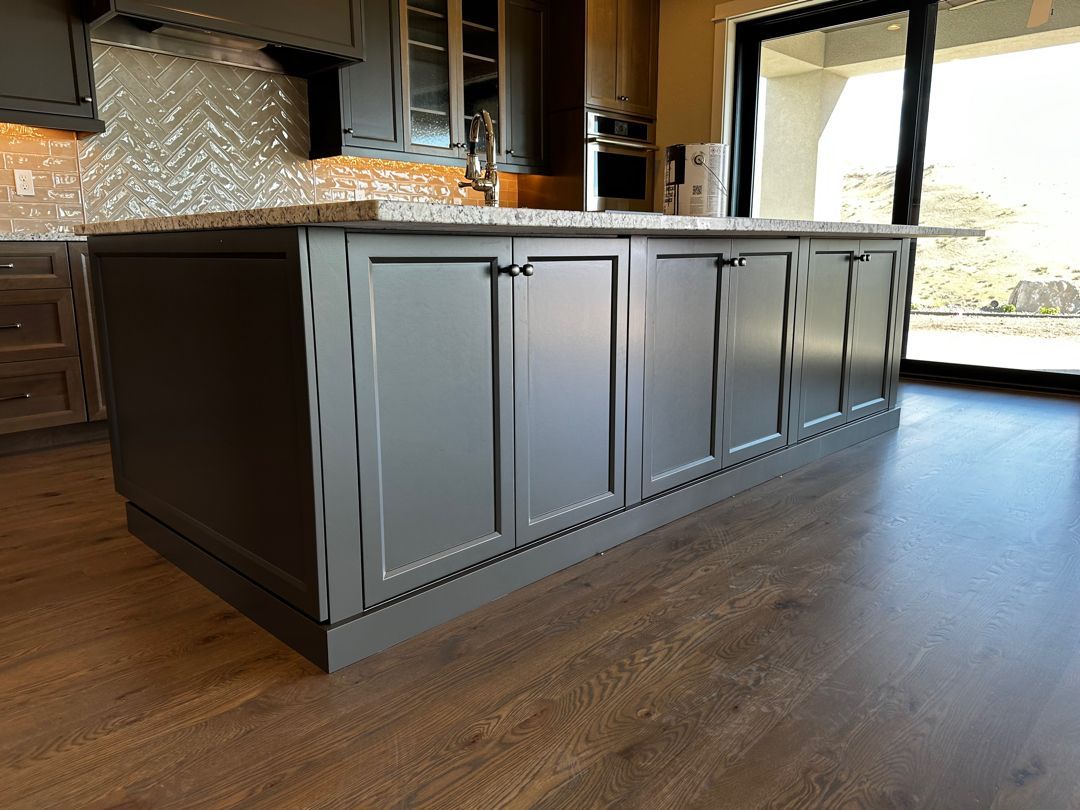
Cabinet painting is often a great fit when the cabinet layout still works. If you like the storage, the boxes are sound, the doors function properly, and the main issue is color or finish, refinishing can make the kitchen feel much newer without the disruption of replacement.
If you want a completely different layout, more storage, taller cabinets, or major structural changes, painting may not solve the bigger problem. In those cases, replacement or a larger remodel may be the better direction.
The best candidates for cabinet painting are kitchens where the existing cabinets still serve the home well but no longer match the homeowner’s style.
Boise Homeowners Often Have More Options Than They Expect
Many Boise area kitchens have cabinets that are structurally usable but cosmetically dated. The stain may feel too dark, the finish may look worn, or the color may not fit the rest of the home anymore.
That does not automatically mean the cabinets need to be replaced. An evaluation of the material, previous finish, door condition, and cabinet structure can help determine whether painting is a practical option. For many homeowners, refinishing offers a way to update the kitchen while keeping a layout that already works.
Find Out Whether Your Cabinets Are Good Candidates for Painting
Most cabinet materials can be painted under the right conditions, but the material and condition should always guide the recommendation. Solid wood, MDF, veneer, laminate, thermofoil, stained cabinets, and previously painted cabinets all need different levels of prep and evaluation.
Spray ’n Coat Painting helps homeowners throughout Boise, Nampa, Meridian, and the
Treasure Valley evaluate whether their cabinets are good candidates for cabinet painting. If you are not sure what your cabinets are made from or whether refinishing makes sense, request a cabinet painting estimate or evaluation to get clear guidance before making a decision.