Repainting an Older Boise Home? What to Check Before the Prep Work Starts
Last Updated: October 2, 2026
Repainting an older home is not automatically more difficult, but it does require a closer look before the prep work begins. Older walls, trim, and woodwork often have more history than newer surfaces. They may have been painted several times, patched, repaired, wallpapered, caulked, or touched up by previous owners.
Before repainting an older Boise home, the walls, previous coatings, repairs, trim, moisture issues, and possible lead paint concerns should be evaluated so the right preparation plan can be used. The goal is not to overcomplicate the project. It is to make sure new paint goes over a surface that is stable, clean, and ready to hold a lasting finish.
Older Walls Often Have More History Under the Paint
In an older home, the wall you see today may not tell the full story. There may be old paint layers, previous patches, wallpaper adhesive, repaired cracks, skim-coated areas, or sections that were changed during past renovations.
That history matters because the surface underneath affects how new paint will look and perform. A wall that seems smooth at first may have uneven repairs that show up under fresh paint. A surface that has been painted many times may have buildup around edges, trim, or corners. A room that once had wallpaper may need extra prep so the new finish does not reveal old texture or adhesive issues.
Not every older wall needs major restoration. Many simply need thoughtful evaluation before sanding, patching, priming, or painting begins.
Previous Paint Layers Can Affect the New Finish
Multiple coats of old paint can create their own challenges. Over time, paint layers may become thick around trim, window edges, corners, or doors. Older coatings may also lose adhesion in certain areas, especially where moisture, heat, or wear has affected the surface.
If loose or failing paint is covered with another coat, the new finish is only as strong as what is underneath it. That can lead to peeling, rough texture, or uneven results later. Before repainting, areas with cracking, flaking, bubbling, or lifting paint should be addressed so the new coating has a better surface to bond to.
This step is especially important in rooms that have been repainted many times without much prep between projects.
Cracks and Old Wall Repairs Deserve a Closer Look
Cracks, nail pops, old holes, uneven patches, and visible drywall repairs are common in older interiors. Some are minor and can be handled during normal painting preparation. Others may need more attention before paint goes on.
Small dents, picture holes, and light surface imperfections can often be filled, sanded, and primed as part of the project. Recurring cracks, large patches, soft areas, or repairs tied to moisture should be looked at more carefully. Painting over those issues may hide them temporarily, but it will not solve the reason they keep showing up.
A good prep plan starts by separating routine cosmetic repairs from wall problems that need a more complete fix.
Plaster and Drywall Do Not Always Need the Same Prep
Depending on the age and renovation history of the home, older Boise houses may have plaster, drywall, or a mix of both. These surfaces do not always behave the same way.
Plaster can develop hairline cracks, uneven areas, or previous repair marks that need a different approach than standard drywall patching. Drywall may show nail pops, seams, dents, or older patches that need sanding and priming. Some homes have newer drywall added during remodels next to older plaster walls, which can make surface preparation even more important.
The main point is simple: the painter should understand what surface they are working on before deciding how to patch, sand, prime, or paint it.
Older Trim and Woodwork May Need Special Attention
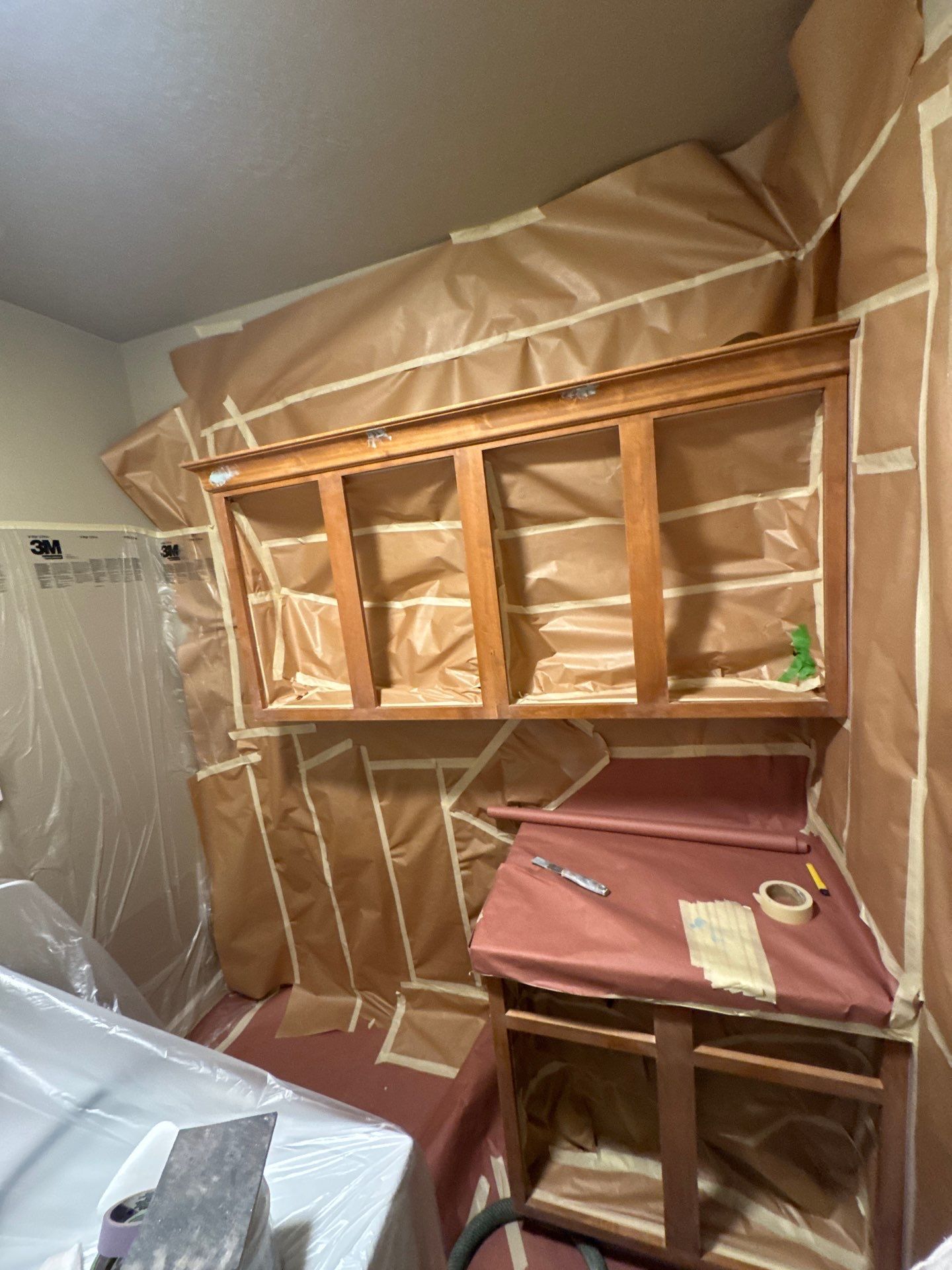
Baseboards, doors, window trim, built-ins, crown molding, and other wood details can be some of the most valuable features in an older home. They can also require extra prep before repainting or refinishing.
Older trim may have chips, dents, old caulk, paint buildup, worn edges, or damaged areas from years of use. If those issues are ignored, fresh paint may make the trim look cleaner from a distance but still leave rough details up close.
In many cases, older architectural details are worth preserving instead of replacing. Careful prep can help refresh the look while respecting the character of the home. That may include sanding rough areas, removing loose paint, repairing small damage, caulking gaps, and choosing the right finish for doors and trim.
Water Stains and Peeling Paint Should Be Investigated First
Water stains, bubbling paint, soft wall material, or recurring peeling should not be painted over without understanding the cause. These signs may point to a past leak, plumbing issue, roof problem, condensation, or moisture intrusion.
If the source of moisture is still active, new paint may fail quickly. The stain may bleed through, the surface may bubble again, or the paint may peel in the same area. Before cosmetic painting begins, the moisture source should be resolved and the affected surface should be properly repaired and primed.
This is one of the most important checks before painting an older home. Paint can improve the look of a room, but it should not be used to hide a problem that is still active.
Older Paint May Require Lead-Safe Practices
Older homes can have lead-based paint beneath newer coatings, even if the visible paint looks more recent. This becomes especially important when prep work may disturb painted surfaces through sanding, scraping, repair, or other renovation work.
Lead-safe painting does not mean every older home needs abatement or that every painted surface is a hazard. It does mean the age of the home and the scope of work should be considered before surfaces are disturbed. When applicable, certified lead-safe practices, containment, dust control, and proper cleanup help protect the household and the workers.
If there is any concern about lead paint, it is better to address that question before prep work begins rather than after sanding or scraping is already underway.
Not Every Imperfection Needs to Be Removed
Older interiors often have small variations that are part of the home’s character. A subtle wall wave, a small previous repair, or slight texture difference may not need to be fully corrected unless the homeowner wants a higher-level finish.
The key is deciding what matters before the project starts. Some homeowners want the walls to look clean, refreshed, and well-painted without chasing every minor imperfection. Others want more detailed wall smoothing, trim repair, or patch blending before paint goes on.
Neither approach is wrong. The prep scope should match the homeowner’s priorities, budget, and expectations for the finished room.
The Prep Plan Should Match the Condition of the Home
Age alone does not determine how much prep a home needs. A well-maintained older home may only need light patching, sanding, caulking, and priming in select areas. Another home of the same age may need more repair because of old paint failure, moisture issues, damaged trim, or uneven wall surfaces.
That is why a walkthrough matters. The painter should look at the condition of the walls, trim, coatings, patches, and problem areas before recommending the project approach. The right prep plan should be based on what is actually happening in the home, not just the year it was built.
Give Your Older Boise Home the Right Start with Spray ’n Coat
Repainting an older home starts with understanding the surfaces. Walls, trim, previous coatings, old repairs, moisture concerns, and possible lead-safe requirements can all affect how the project should be prepared.
Spray ’n Coat Painting helps homeowners in Boise, Nampa, Meridian, and the
Treasure Valley plan interior painting projects with the right preparation from the beginning. If you are repainting an older home, request an estimate or project evaluation to get clear guidance before the prep work starts.