How to Care for Newly Painted Cabinets During the First Few Weeks
Last Updated: October 2, 2026
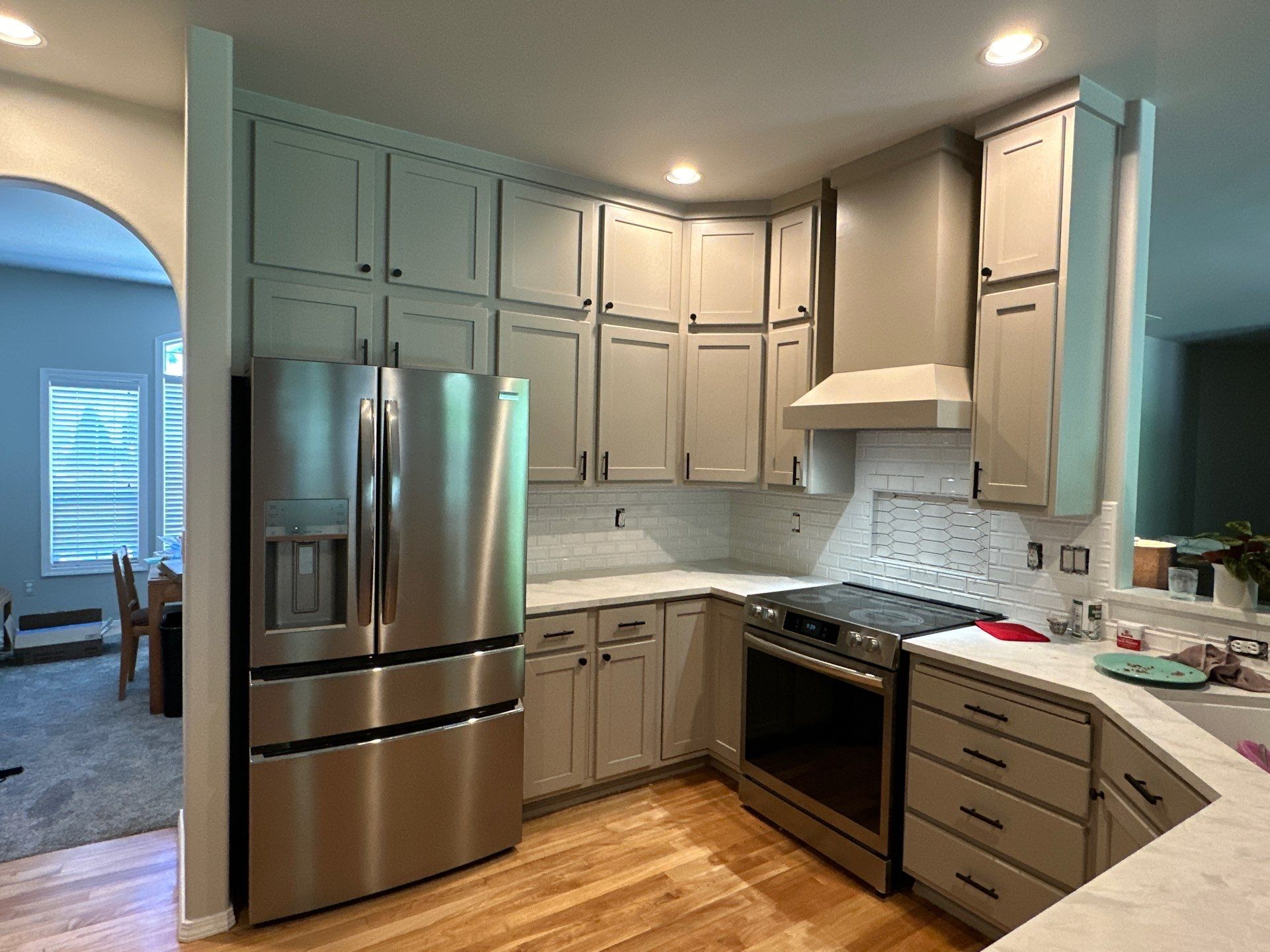
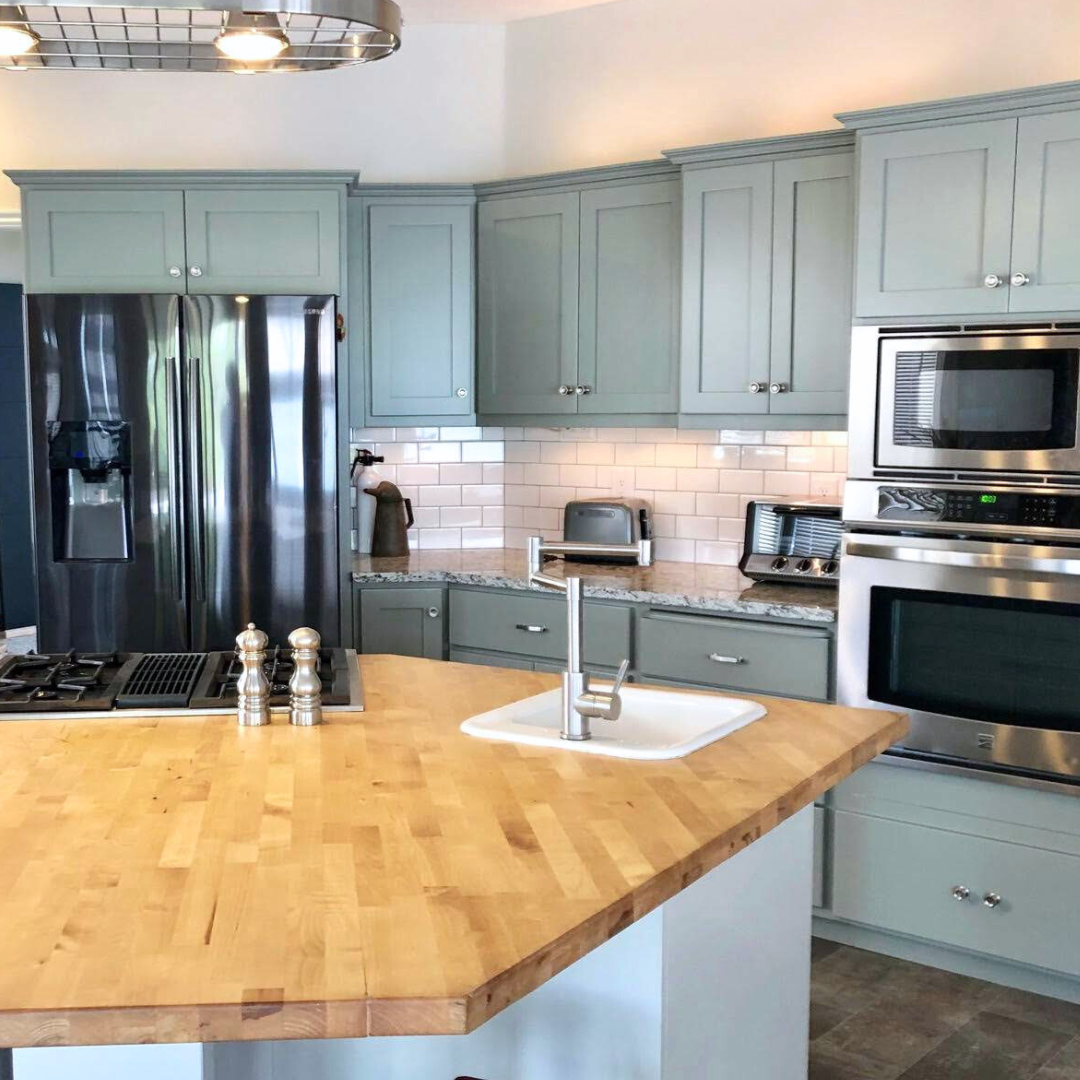
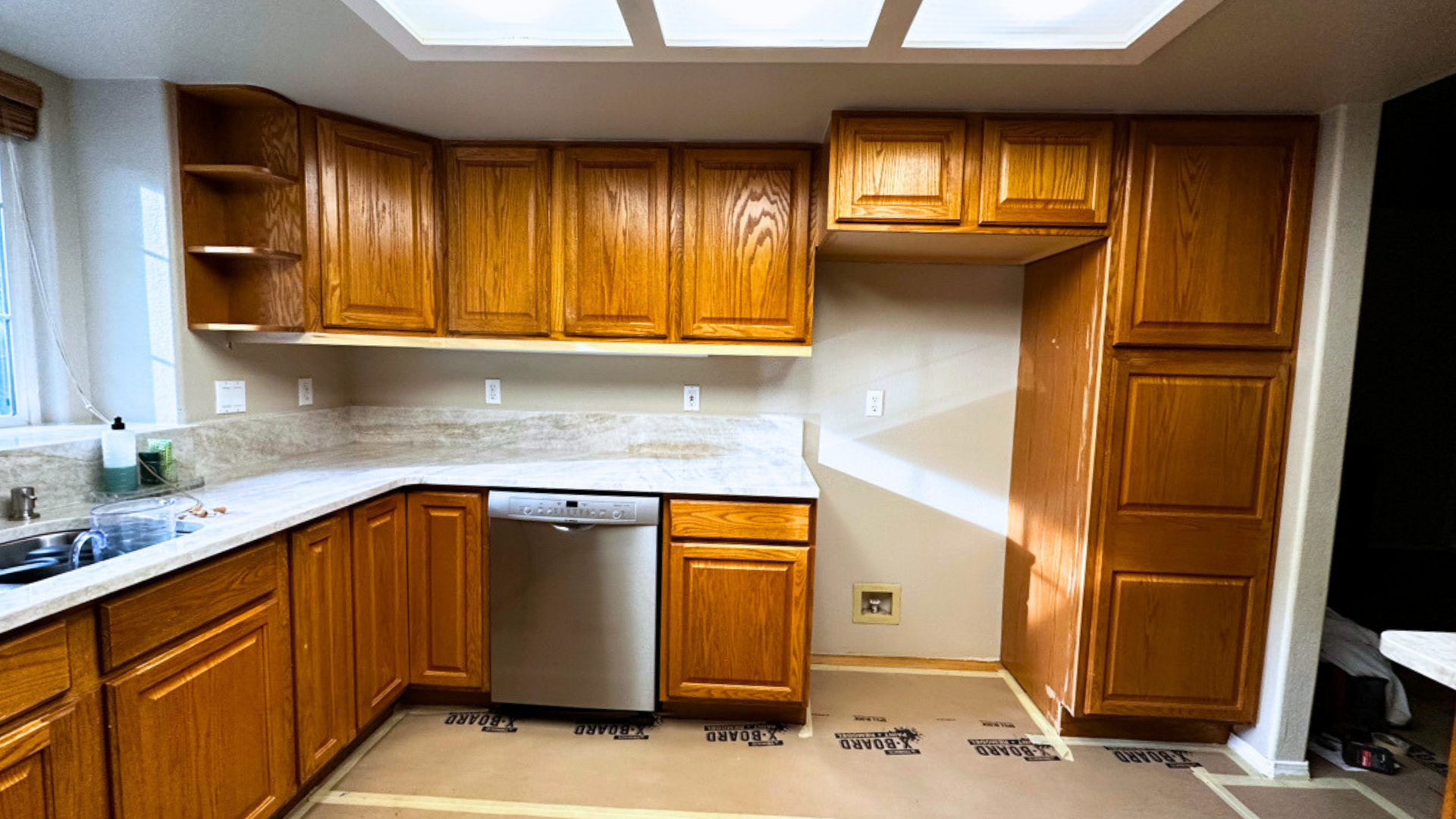
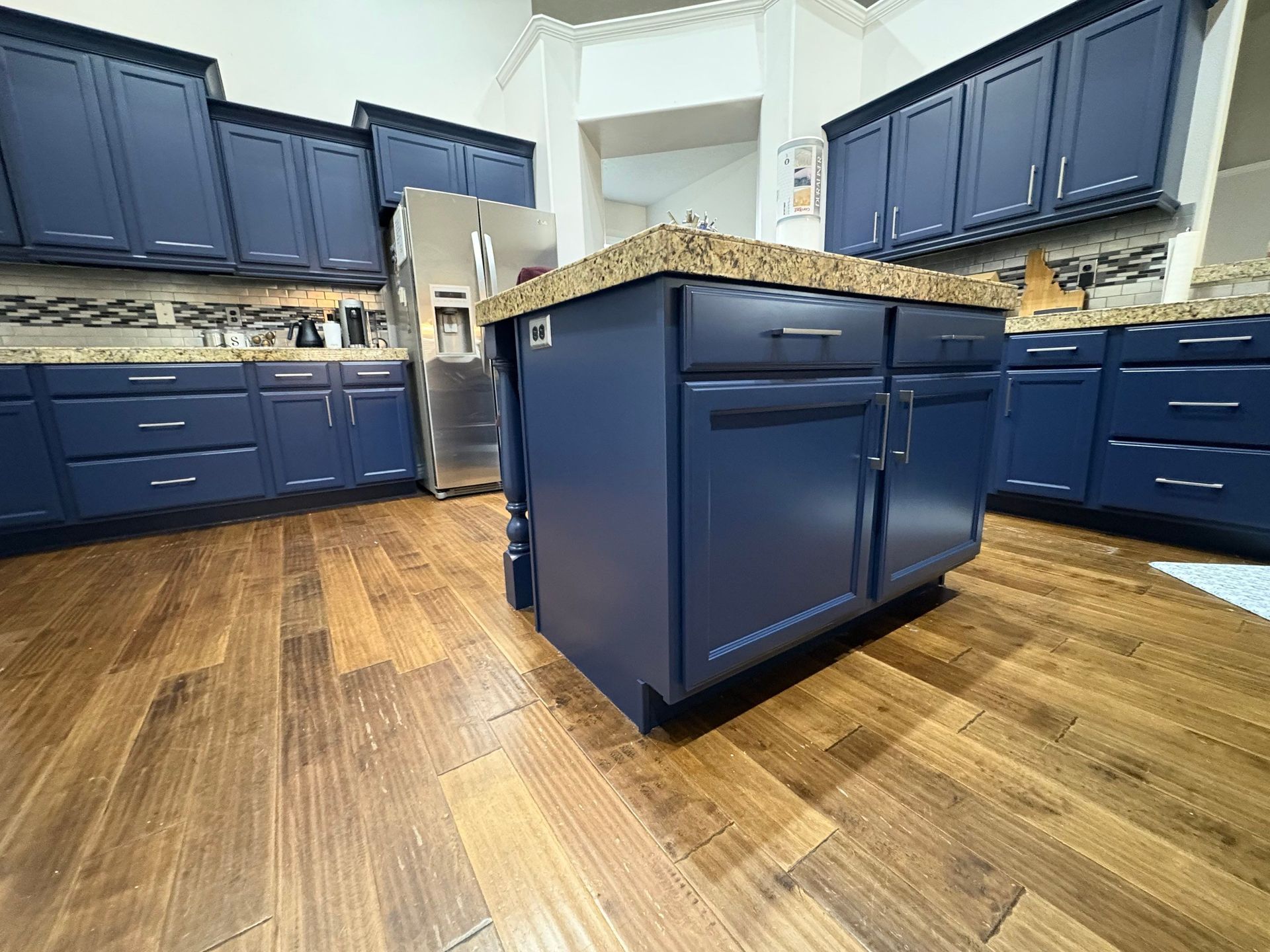
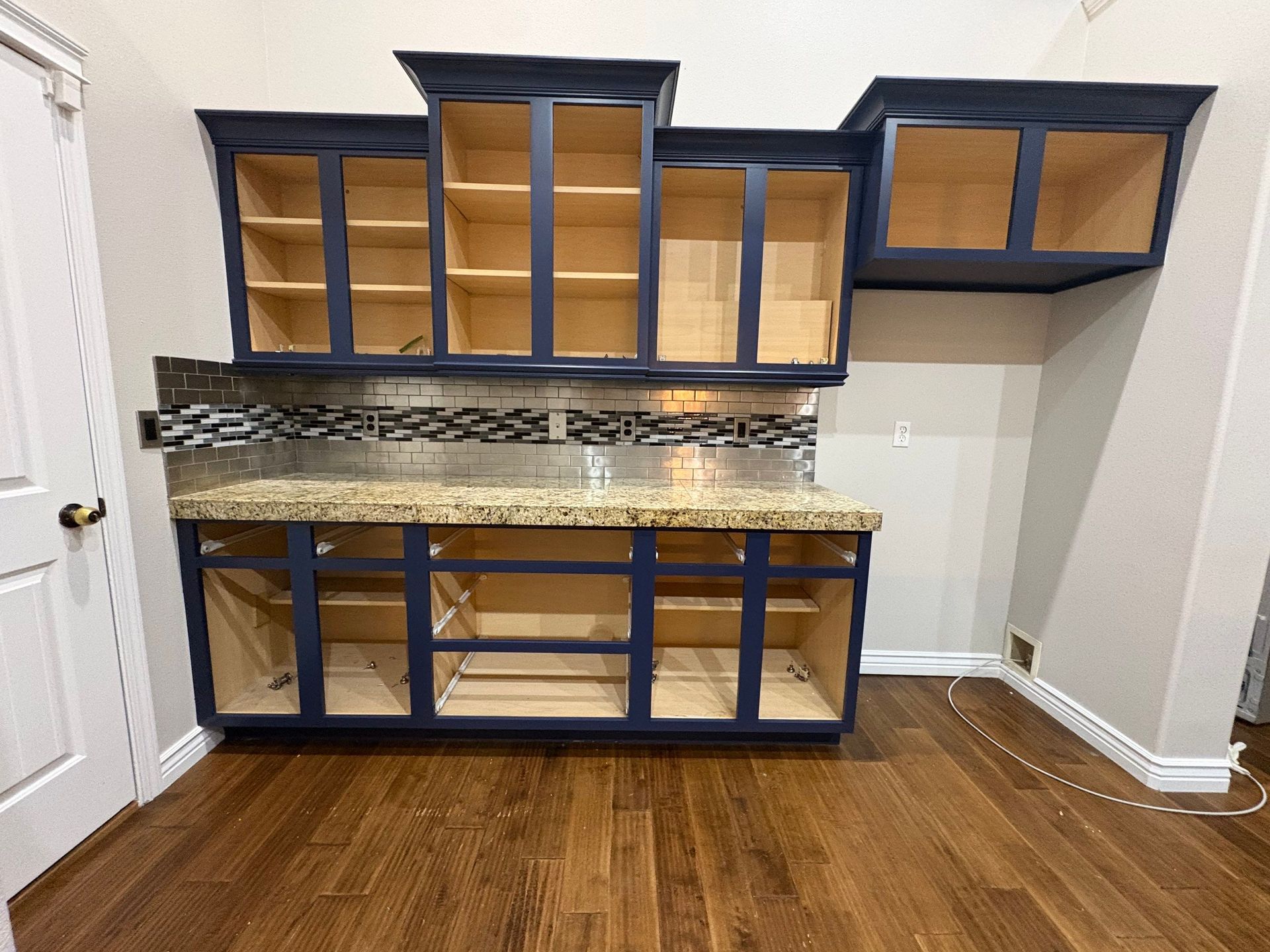
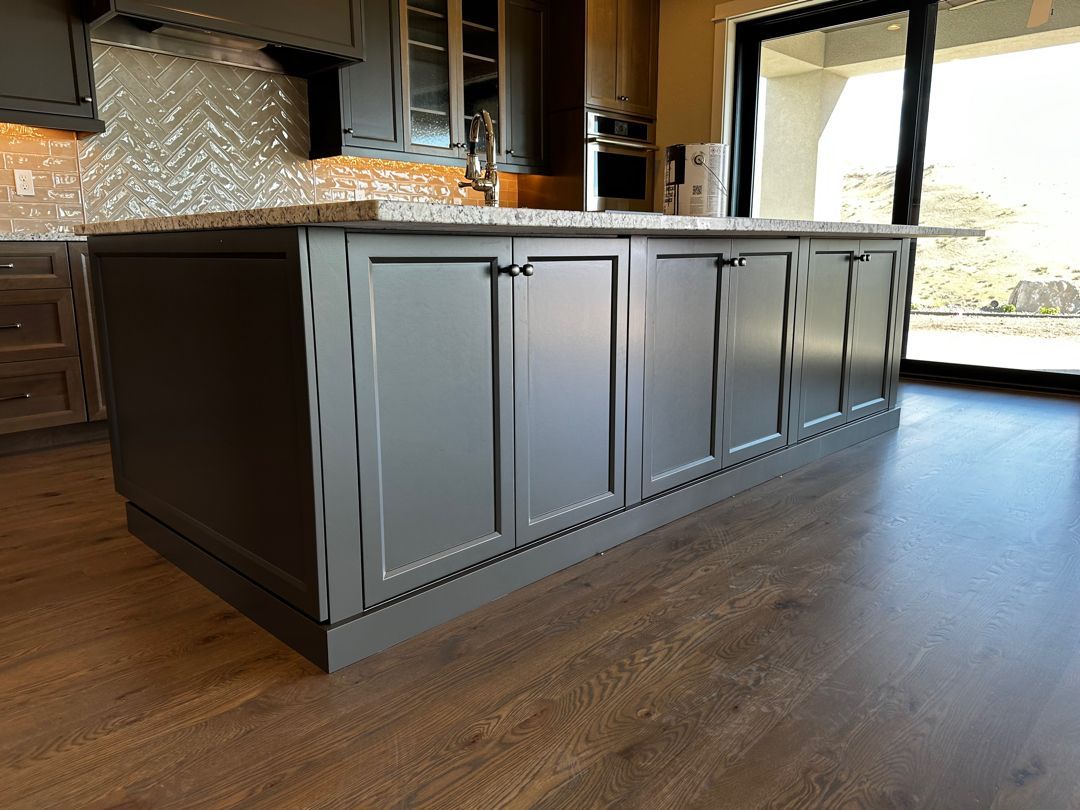
Newly painted cabinets can make a kitchen feel completely refreshed, but they need a little extra care right after the project is finished. Even when the doors and drawers feel dry to the touch, the coating may still be curing and gaining durability over the following days or weeks.
The best way to care for newly painted cabinets is to use them gently, limit moisture, clean carefully, and avoid unnecessary impact while the finish continues to harden. This early curing period is short, but it plays an important role in helping the finish perform the way it should long term.
Dry Paint and Fully Cured Paint Are Not the Same Thing
Paint can feel dry before it has reached its full hardness. This is one of the most important things homeowners should understand after a cabinet painting project. A surface may be dry enough to touch, but still more vulnerable to scratches, dents, sticking, moisture, or repeated contact.
Cure time can vary depending on the coating system, product, temperature, humidity, and conditions inside the home. That is why it is important to follow the specific aftercare instructions provided for your project instead of assuming every cabinet finish behaves the same way.
The cabinets may look completely finished, but gentle use during the first few weeks helps protect the coating while it continues to strengthen.

Use Doors and Drawers Gently at First
You can usually use your kitchen after cabinet painting, but doors and drawers should be handled with extra care at first. Avoid slamming doors, yanking on hardware, or letting drawers bang into nearby surfaces.
This is especially important around high-use areas like the sink, dishwasher, trash pullout, and stove. These doors and drawers tend to get the most daily use, so they are also the easiest places to accidentally damage a fresh finish.
A little extra care does not mean the finish is weak. It simply gives the coating time to reach the durability it was designed to provide.
Be Careful About Doors and Drawers Sticking Together
Freshly painted contact points can sometimes stick if doors, drawers, bumpers, or frames press against each other before the coating has fully cured. This can happen even when the finish feels dry on the surface.
Follow your painter’s instructions about when doors and drawers can be closed normally, when hardware should be reinstalled, and whether bumpers need to be adjusted or replaced. Cabinet bumpers are small, but they help reduce repeated painted-surface contact and can protect the finish from unnecessary wear.
If something feels like it is sticking, avoid forcing it open aggressively. Gentle handling is best during the early curing period.
Keep Moisture Off the Finish as Much as Possible
Moisture is one of the biggest things to watch around newly painted cabinets. This is especially true near sinks, dishwashers, coffee makers, and other areas where water or steam is common.
Wipe splashes promptly with a soft cloth. Avoid leaving damp towels hanging over cabinet doors, wet sponges sitting against painted surfaces, or water pooling along lower edges. Even small amounts of repeated moisture can be hard on a fresh cabinet finish before it has fully cured.
You do not need to stop using your kitchen. Just be more mindful of water exposure during the first few weeks.
Skip Aggressive Cleaning During the Curing Period
Newly painted cabinets should not be scrubbed heavily or cleaned with harsh products right away. Strong cleaners, abrasive pads, degreasers, and chemical sprays can be risky on a fresh finish.
For small spills or fingerprints, use a soft cloth and gentle cleaning method recommended by your painter or coating manufacturer. Avoid scrubbing the surface aggressively, especially around handles, edges, corners, and doors that get frequent contact.
Once the finish has had more time to cure, normal cleaning can usually resume based on the care instructions for the coating used. During the early period, gentle is better.
Watch for Grease and Cooking Splatter
You do not necessarily need to stop cooking after your cabinets are painted, but the cabinets near the stove may need extra attention. Cooking can release grease, steam, and splatter that settle on nearby doors, frames, and drawer fronts.
Use ventilation when cooking, and gently wipe away splatters before they sit too long. The goal is to prevent buildup without repeatedly scrubbing the new finish.
Cabinet areas near the stove work harder than many other parts of the kitchen. Giving them extra care early can help preserve the look of the finish.
Avoid Bumps, Scratches, and Heavy Contact
Fresh cabinet finishes can be more vulnerable to damage before they fully cure. Be careful when moving appliances, carrying groceries, using step stools, or handling tools near the cabinets. Avoid leaning objects against doors, dragging items across cabinet ends, or letting rings and fingernails scrape around handles.
This advice is not meant to make the kitchen feel unusable. It is simply about avoiding unnecessary impact while the finish is still gaining hardness.
High-contact areas around knobs, pulls, and drawer edges are especially worth protecting during the first few weeks.
Hardware Can Affect a Fresh Finish Too
Knobs, pulls, hinges, and bumpers all interact with newly painted cabinet surfaces. Loose hardware can shift and rub against the finish. Overtightened hardware can leave pressure marks. Missing or poorly placed bumpers can allow painted surfaces to hit each other repeatedly.
After cabinet painting, hardware should be installed carefully and checked for proper fit. If a knob or pull feels loose, it should be adjusted before it starts wearing the finish around it.
Small details like bumpers and hardware alignment can make a noticeable difference in how well the finish holds up in everyday use.
Temperature and Humidity Can Affect Cure Time
Cabinet paint cure time can vary based on the products used and the conditions inside the home. Temperature, ventilation, and humidity all influence how quickly a coating hardens.
In Boise area homes, indoor conditions can vary by season. Dry summer air, colder months, heating systems, and ventilation habits can all affect how comfortable the space feels and how the finish cures. The best guidance will always come from the painter and the specific coating system used on your cabinets.
If you are unsure when to resume normal cleaning or heavier use, ask before guessing.
What Is Normal During the First Few Weeks
It is normal for a fresh cabinet finish to continue hardening after the project is complete. Being cautious during this period does not mean the coating is defective. It simply means the finish is still reaching its full durability.
However, obvious peeling, bubbling, lifting, or adhesion problems are different from normal curing. If you notice something that looks like the finish is failing rather than simply curing, contact your painter so the issue can be reviewed.
A good cabinet painting company should help homeowners understand what is normal and what should be checked.
Good Early Care Helps the Finish Last Longer
The first few weeks after cabinet painting are an important part of protecting your investment. Gentle use, careful cleaning, moisture control, and avoiding unnecessary impact all help the finish cure properly and perform better over time.
Once the coating has fully cured, your cabinets should be ready for normal daily use and routine maintenance. The early care period is temporary, but it can make a real difference in how the finish looks and holds up.
Protect Your Newly Painted Cabinets with Spray ’n Coat
A successful cabinet painting project does not end the moment the final coat is applied. Homeowners should also understand how to care for the finish while it cures, how to clean it properly, and what to avoid during the first few weeks.
Spray ’n Coat Painting helps homeowners throughout Boise, Nampa, Meridian, and the
Treasure Valley with professional cabinet painting and clear aftercare guidance. If you are planning to repaint your cabinets, request an estimate or consultation to learn what to expect before, during, and after the project.