Cabinet Painting vs. Refacing: Which Makes Sense When the Cabinet Boxes Are Still Good?
Last Updated: October 2, 2026
Many homeowners like their kitchen layout, storage, and cabinet placement, but no longer like the way the cabinets look. The color may feel dated, the finish may be worn, or the door style may no longer fit the rest of the home. When the cabinet boxes are still in good condition, the decision often comes down to cabinet painting vs. refacing.
Cabinet painting usually makes sense when the existing doors and boxes are sound and the main goal is a new color or finish. Refacing becomes more attractive when homeowners want to change the door style or visible cabinet surfaces more substantially. The right choice depends on what you want to change, how much of the existing cabinetry you want to keep, and whether the current cabinets are still worth investing in.
Good Cabinet Boxes Give You More Options
The condition of the cabinet boxes is one of the first things to consider. If the boxes are sturdy, the layout works, the storage is functional, and the doors and drawers operate properly, you may not need to start over with full replacement.
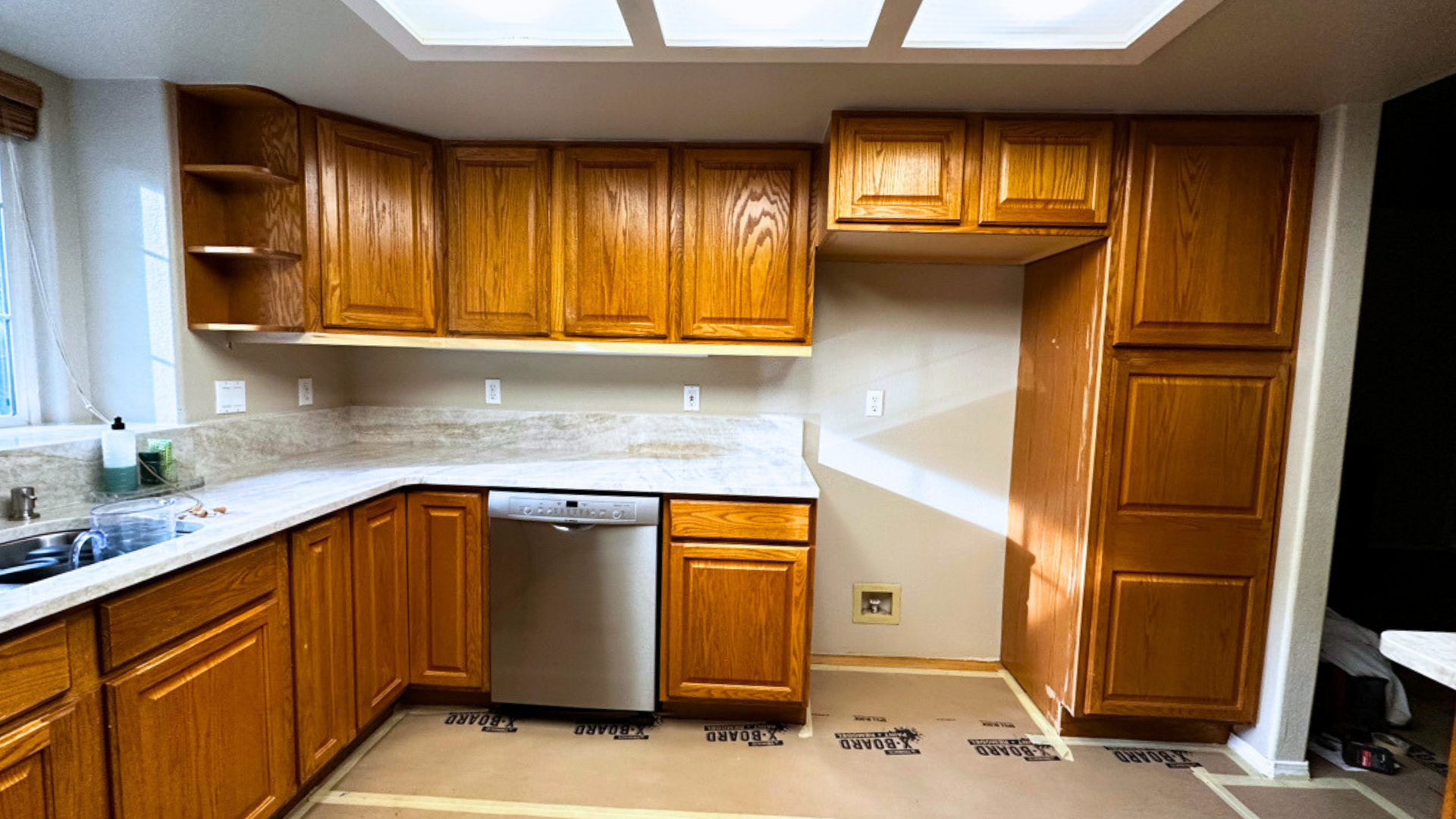
Cosmetic wear does not automatically mean the cabinets are done. A dated stain, worn finish, or color that no longer fits your kitchen may be fixable through painting, new doors, refacing, or a combination of updates. The more solid the underlying cabinetry is, the more flexibility you have.
On the other hand, if the boxes are damaged, loose, swollen, or poorly configured, a cosmetic update may not solve the bigger issue.
Cabinet Painting Keeps More of What You Already Have
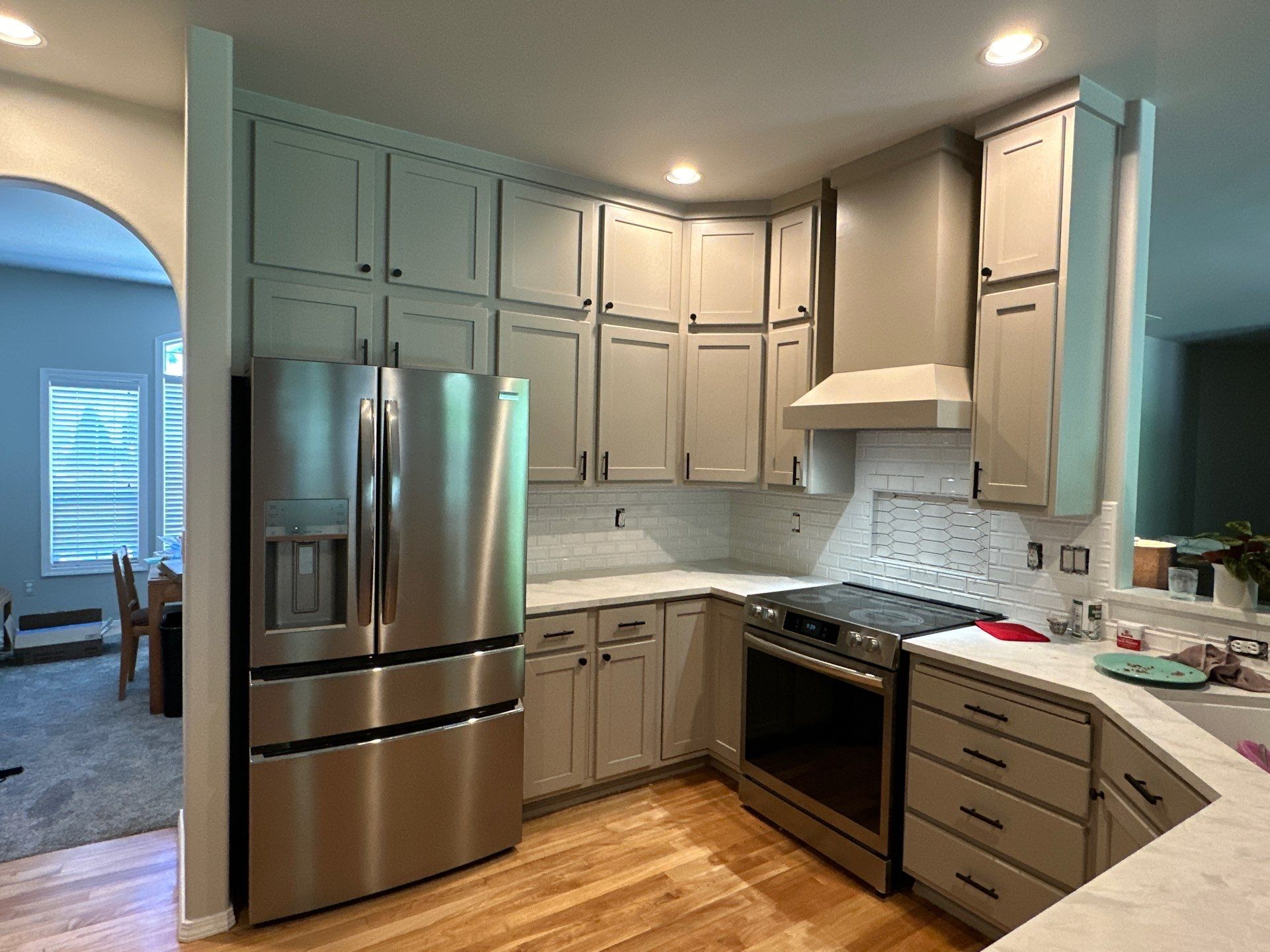
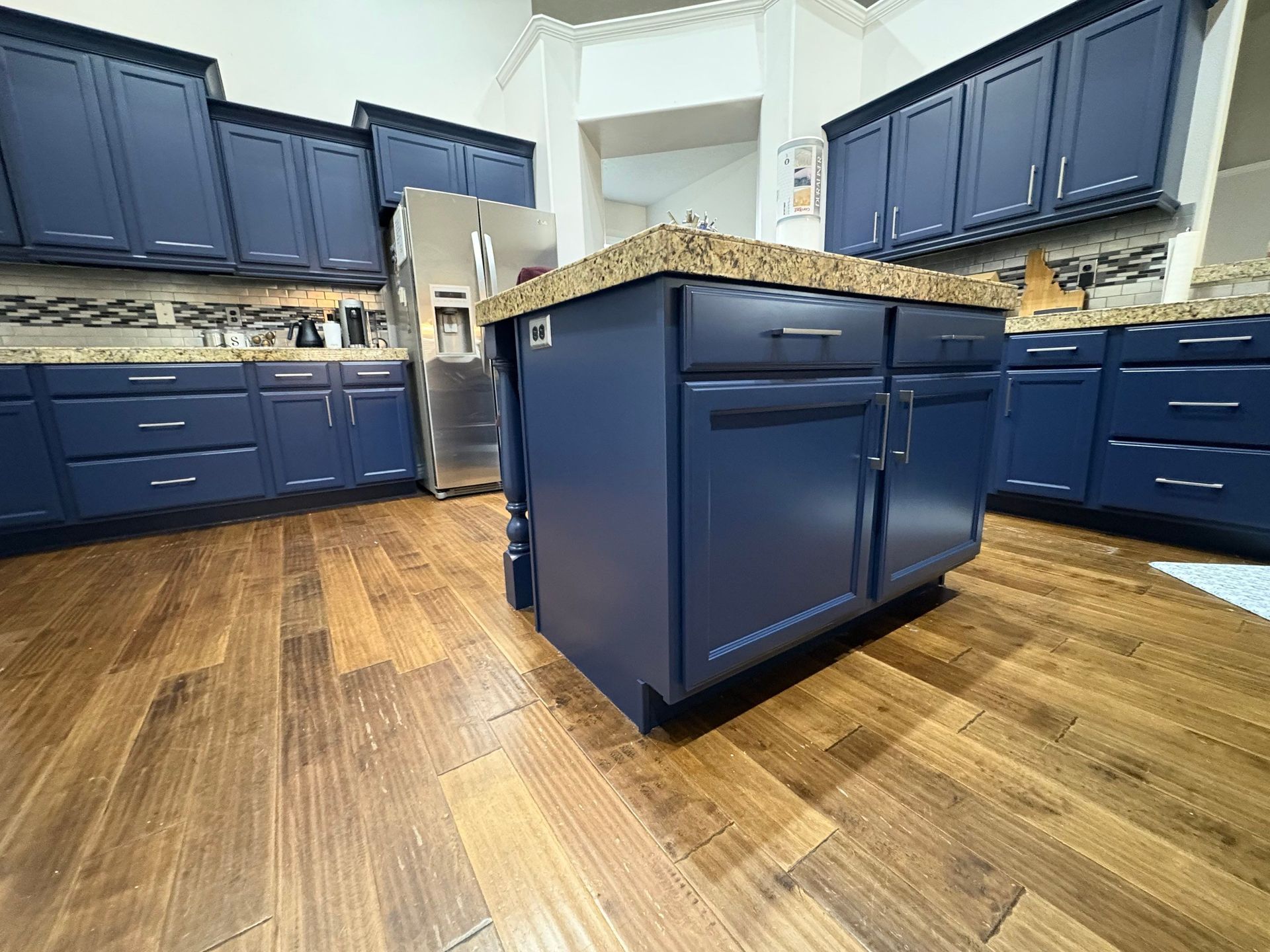
Cabinet painting typically keeps the existing cabinet boxes, doors, and drawer fronts. The main change is the color and finish. This can be a strong option when homeowners like the current door profile but want the kitchen to feel cleaner, brighter, or more current.
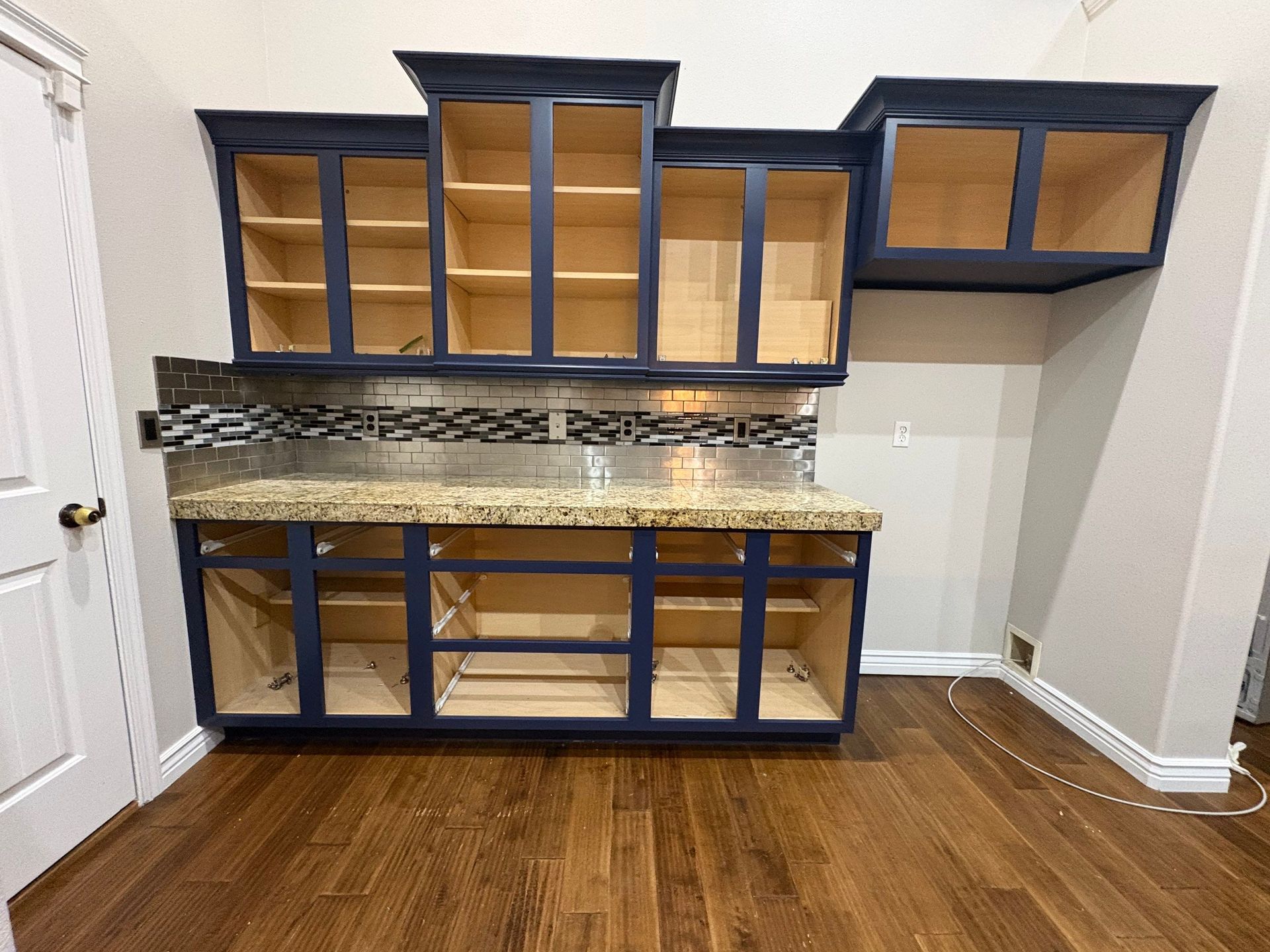
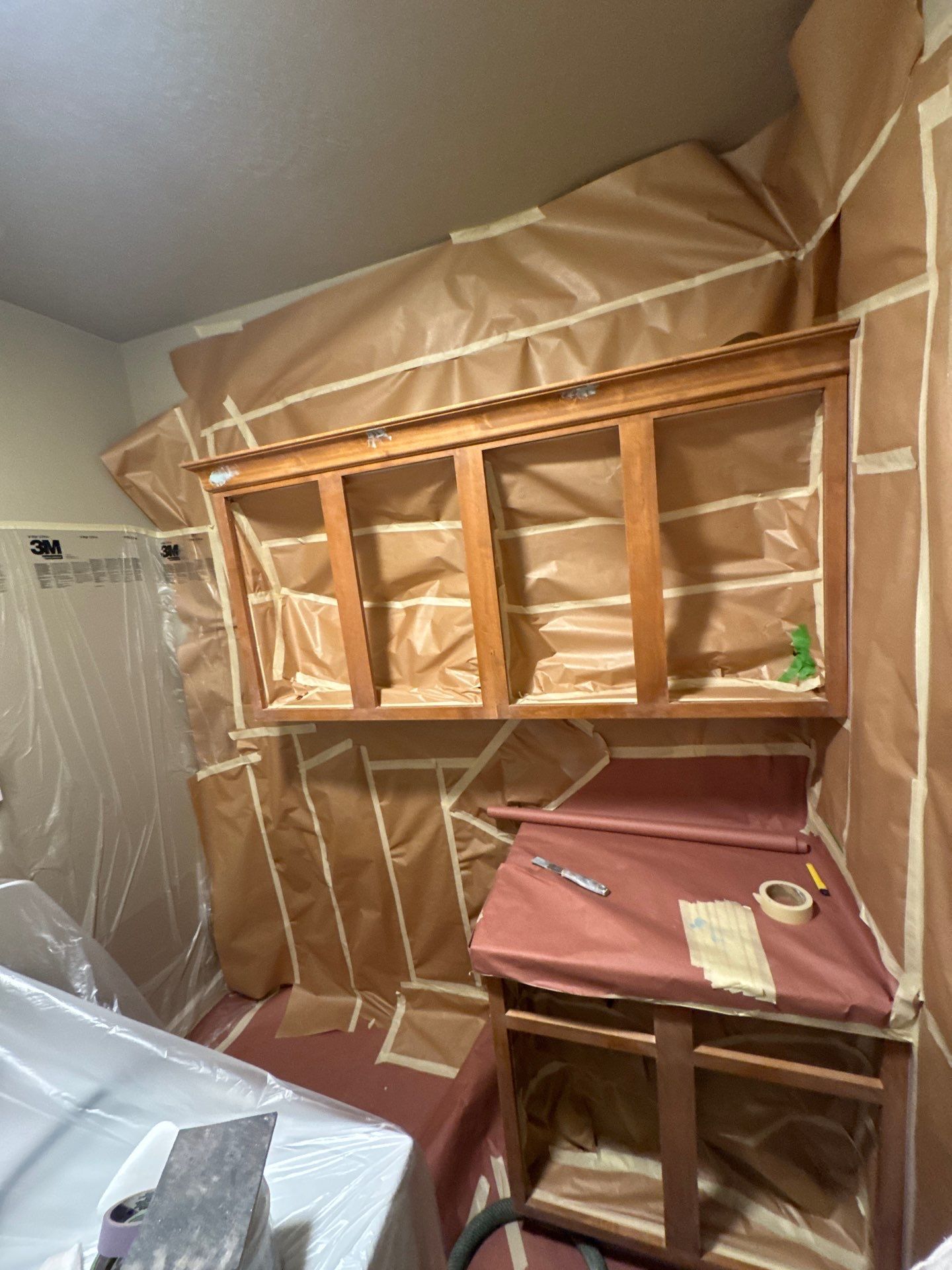
Professional cabinet painting depends heavily on preparation. Doors and drawer fronts usually need to be cleaned, sanded or deglossed, primed, and finished with cabinet-grade coatings designed for daily use. When done well, repainting kitchen cabinets can create a dramatic change without replacing most of the cabinet components.
Painting is often a practical choice when the cabinets are structurally sound and the biggest problem is appearance.
Refacing Changes More Than the Color
Cabinet refacing usually keeps the existing cabinet boxes but updates the visible exterior surfaces. In many refacing projects, doors and drawer fronts are replaced, and the exposed faces of the boxes are covered or refinished to match.
This gives homeowners a bigger style change than painting alone. If you dislike the door profile, want a different cabinet style, or want the visible cabinet exterior to look more like a new installation, refacing may be worth considering.
Refacing can make a kitchen look significantly different without fully rebuilding the cabinet layout. It is still a larger scope than painting because more materials and visible components are being changed.
The Biggest Difference Is How Much You Want to Keep
The easiest way to compare cabinet painting vs. refacing is to ask what you actually dislike about the cabinets.
If you mainly dislike the color or finish, painting may be enough. If you like the door style, storage, and layout, there may be little reason to replace functional doors and drawer fronts just to change the look.
If you dislike the actual door design, painting may not solve the problem. A raised panel, arched profile, or decorative style may still feel dated even in a new color. In that case, refacing or replacing doors may create a more satisfying result.
Door Style Can Make the Decision Easier
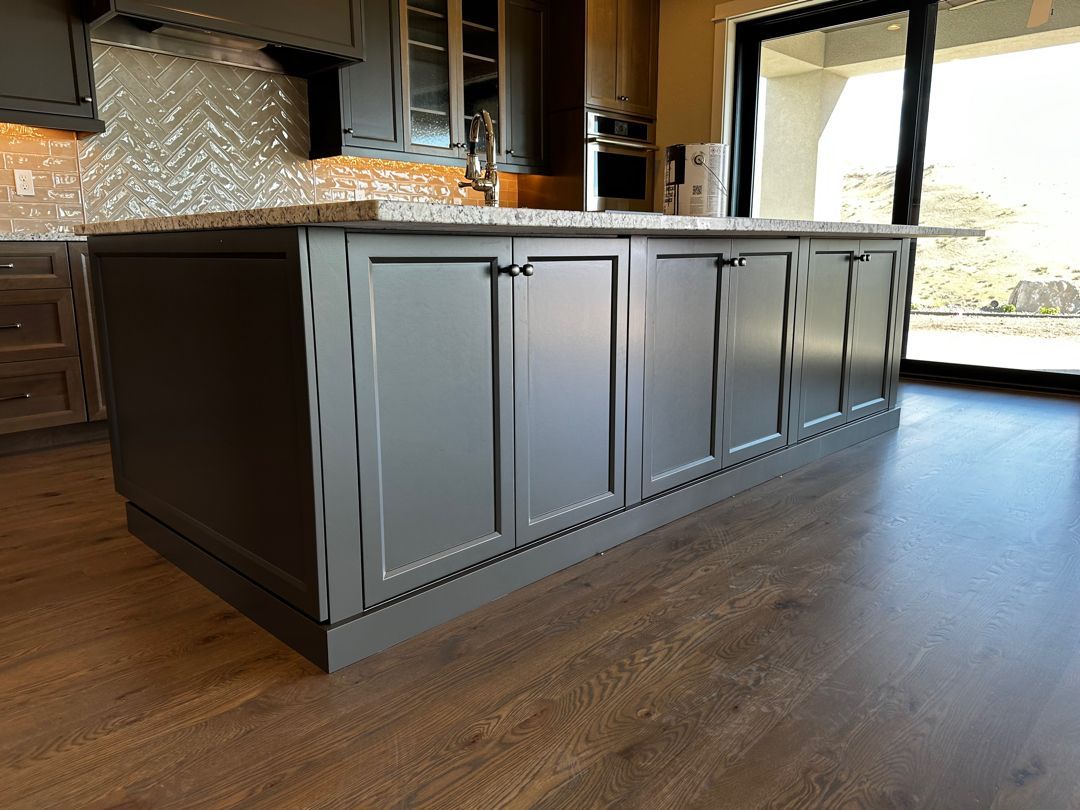
Door style is often the deciding factor. A simple shaker-style or flat-panel cabinet door may paint beautifully and still fit the homeowner’s preferred design. In that situation, cabinet painting can deliver a major visual update without unnecessary replacement.
But if the door style is the part you are trying to get away from, painting may only go so far. A new color can modernize the cabinets, but it does not change the shape, profile, or proportions of the door.
Before choosing between painting and refacing, look at the doors in black and white terms: would you still like the style if it were in the right color? If the answer is yes, painting may be a strong option. If the answer is no, replacing or refacing may be more logical.
Replacing Just the Doors Can Be a Useful Middle Ground
Some homeowners do not need full refacing, but they also do not want to keep the existing doors. In that case, replacing only the doors and drawer fronts while painting the existing cabinet boxes can be a useful middle ground.
This approach can work well when the boxes are solid, the layout is good, and the main problem is the door style. The new doors can create a different look, while the existing cabinet frames are finished to match.
However, this approach requires careful planning. Door sizing, hinge placement, material choice, paint finish, and color matching all matter. If the new doors and existing boxes do not work together, the kitchen can feel mismatched instead of cohesive.
Cost Depends on How Much Is Changing
Cabinet painting and refacing have different cost structures. Painting usually involves fewer replacement materials because the existing doors, drawer fronts, and boxes are kept. The cost comes from labor, preparation, coating systems, repairs, and finish quality.
Refacing usually adds more material cost because doors, drawer fronts, hardware, and visible exterior surfaces may be replaced or covered. The actual price depends on the cabinet count, kitchen size, door style, material selection, repair needs, and finish choices.
Neither option should be judged by price alone. A lower-cost option that does not solve the homeowner’s real concern may not feel worthwhile. The best value is the option that gives the kitchen the right update without replacing more than necessary.
Condition Still Matters Even When the Boxes Look Good
Even if the cabinet boxes seem solid, the cabinets should still be evaluated before painting or refacing. Water damage near the sink, peeling veneer, swollen material, loose hinges, damaged drawer fronts, worn edges, or failing previous coatings can all affect the final result.
Some issues are manageable with repair and prep. Others may make a cosmetic update less practical. For example, painting over a failing coating or loose veneer will not create a durable finish unless the unstable material is addressed first.
Painting and refacing both work best when the underlying cabinet structure is sound and any repair needs are handled before the final finish goes on.
Painting and Refacing Create Different Finished Looks
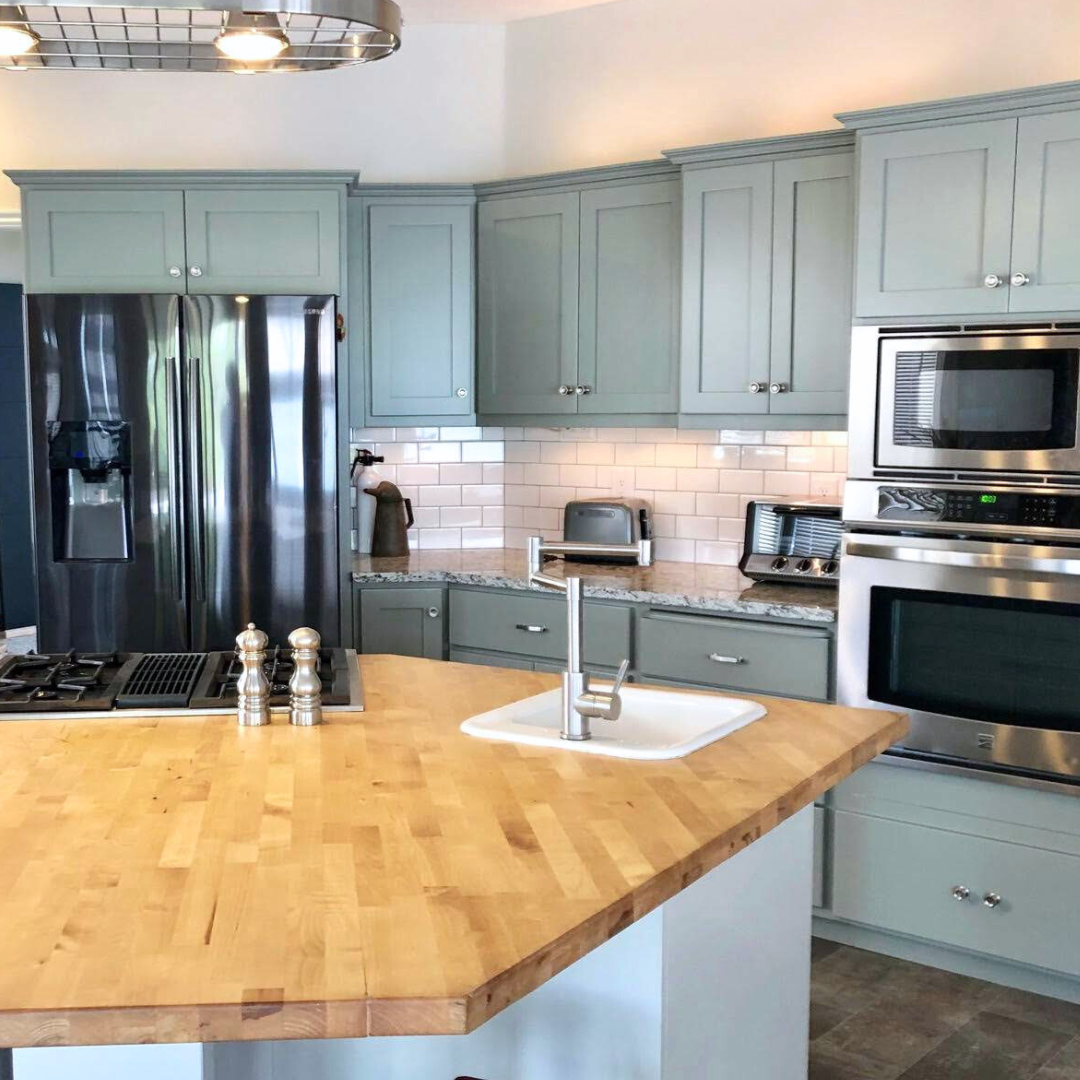
Cabinet painting can completely change the feel of a kitchen, especially when dark or dated cabinets are updated with a cleaner color. It can make the room feel brighter, more current, and more coordinated with countertops, flooring, backsplash, and wall color.
Refacing can go further by changing both the color and the visible style. New doors and drawer fronts can shift the kitchen from traditional to more modern, or from plain to more detailed.
Hardware also plays a major role. New pulls, knobs, hinges, and surrounding finishes can make either painting or refacing feel more complete. The final result is not just about the cabinets themselves. It is about how the cabinets work with the rest of the kitchen.
Replacement Is a Different Decision Altogether
Full cabinet replacement is a different conversation. It may make sense if you dislike the kitchen layout, need more storage, want taller cabinets, need different cabinet sizes, or have widespread structural problems.
Painting and refacing are best when the layout still works. If the cabinets are poorly designed for how you use the kitchen, a cosmetic update may not fix the frustration. In that case, replacement or a larger remodel may be the better long-term investment.
The important thing is matching the solution to the real problem. If the problem is color, paint may solve it. If the problem is door style, refacing or new doors may help. If the problem is layout or cabinet failure, replacement may be the better path.
Boise Homeowners Can Often Update a Kitchen Without Starting Over
Many Boise area homeowners have kitchens where the cabinet boxes still have years of life left, but the finish feels dated. In those situations, it may be possible to modernize the kitchen without taking on a complete remodel.
A careful evaluation can help determine what is already working and what truly needs to change. For some kitchens, professional cabinet painting is enough. For others, new doors or refacing may better match the homeowner’s style goals.
Find the Right Update for Your Existing Cabinets
Cabinet painting, refacing, new doors, and full replacement all solve different problems. The best choice depends on the condition of the boxes, the door style, the existing finish, your budget, and how much of a transformation you want.
Spray ’n Coat Painting helps homeowners throughout Boise, Nampa, Meridian, and the
Treasure Valley evaluate whether their cabinets are good candidates for cabinet painting. If you are comparing cabinet painting vs. refacing, request a cabinet painting estimate or evaluation to get clear guidance before deciding how far your kitchen update should go.