Can Previously Painted Kitchen Cabinets Be Painted Again?
Last Updated: October 2, 2026
Many homeowners inherit painted cabinets from a previous owner, complete a DIY cabinet painting project that does not age well, or have an older professional finish that simply no longer matches the kitchen. When the color looks dated, the finish is chipped, or the surface feels rough, the natural question is whether those cabinets can be painted again.
Previously painted cabinets can often be refinished again, but the existing coating needs to be evaluated before new paint is applied. The condition of the old finish, how well it is bonded, the amount of texture, grease buildup, and the cabinet material underneath all affect what needs to happen before another finish can last.
The Condition of the Existing Paint Matters More Than Its Age
An older cabinet finish is not automatically a problem. If the existing paint is firmly bonded, reasonably smooth, and not peeling or soft, it may be possible to clean, prep, prime, and repaint the cabinets successfully.
The bigger concern is stability. New paint is only as reliable as the surface underneath it. If the old finish is loose, chipped, sticky, or poorly adhered, painting over it will not create a strong foundation. The new coating may look better at first, but the same weak areas can eventually show through again.
This is why the first step is not asking how old the paint is. The better question is whether the existing finish is still sound enough to build on.
Peeling or Chipping Paint Has to Be Addressed First
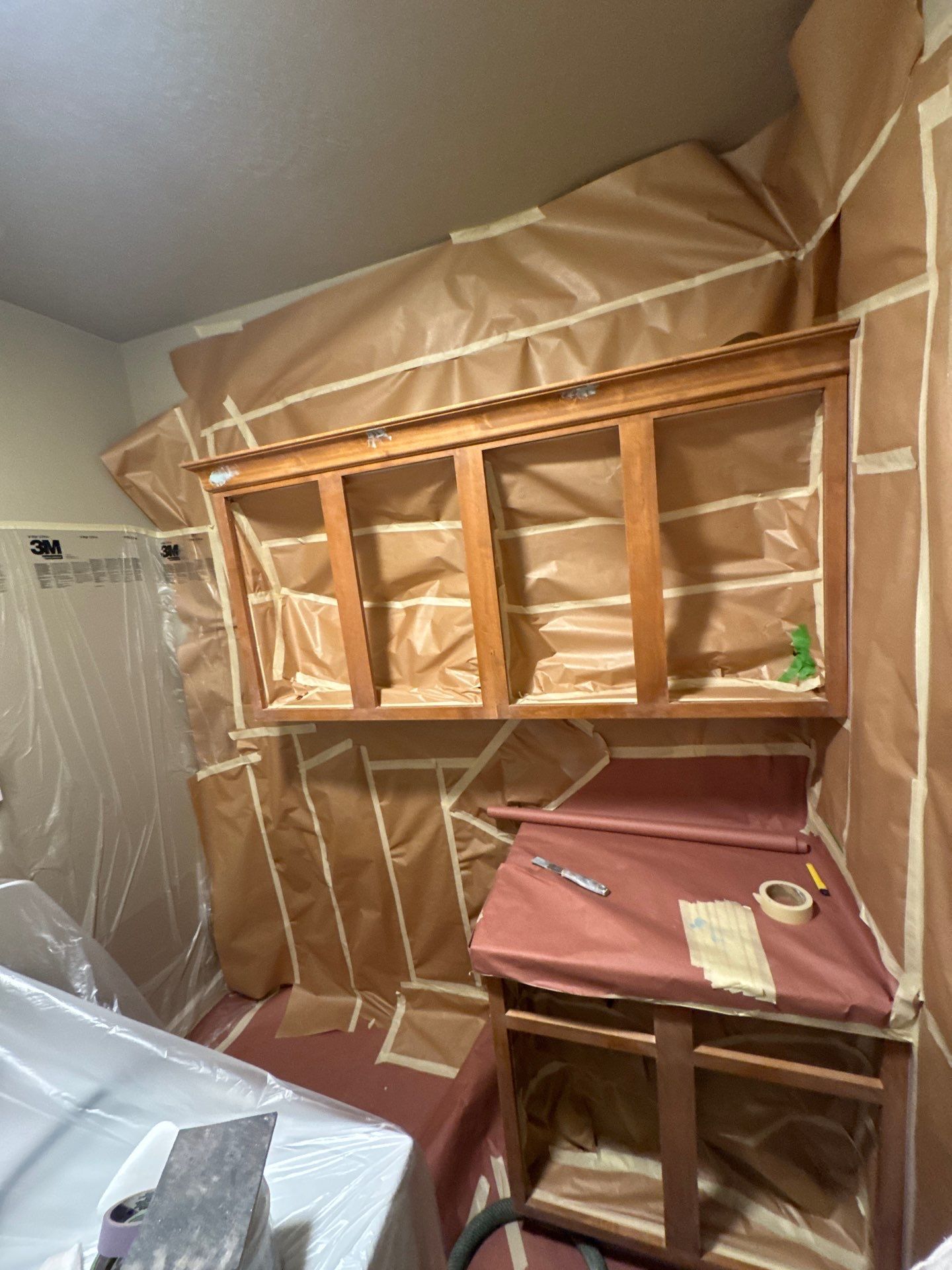
Peeling cabinet paint should not be painted over without proper preparation. If the coating is already lifting, flaking, or chipping, new paint will not permanently hold those weak areas in place.
Loose paint usually needs to be removed, edges need to be sanded smooth, and the cause of the failure should be considered. Sometimes peeling is limited to a few high-use areas near handles, sink cabinets, or trash pullouts. Other times, the finish is failing across multiple doors and drawer fronts.
A few isolated chips may be manageable as part of refinishing prep. Widespread peeling often requires more extensive surface correction before a new cabinet coating can be applied.
Brush Marks and Heavy Texture Can Show Through the New Finish
Repainting does not automatically erase the texture of the previous paint job. Thick brush marks, roller texture, drips, ridges, and uneven repairs can still show through the new finish if the surface is not properly sanded or leveled first.
This is especially common with older DIY cabinet paint jobs. The color may be the main reason for repainting, but once a smoother finish is the goal, the surface texture becomes just as important.
The amount of prep depends on the desired result. If the homeowner wants a cleaner color update, light correction may be enough. If they want a much smoother, more professional-looking cabinet finish, more sanding and surface preparation may be needed before primer and paint are applied.
Soft or Sticky Paint Can Be a Bigger Problem
Some previously painted cabinets feel soft, tacky, or easy to scratch even long after they were painted. This can happen when the wrong product was used, the surface was not prepped correctly, or the coating never cured properly.
This kind of finish can be more challenging than simple color wear. Applying a durable cabinet coating over a soft or unstable layer underneath does not necessarily solve the problem. If the base layer remains weak, the new finish may still be vulnerable.
A professional evaluation can help determine whether the existing coating can be stabilized and refinished, or whether more removal and correction are needed before repainting.
Grease and Cleaning Residue Can Interfere with Adhesion
Kitchen cabinets collect more residue than many homeowners realize. Cooking grease, hand oils, cleaning products, food residue, and dust can build up over time, especially around the stove, sink, dishwasher, and most-used doors.
This buildup matters because primer and paint need a clean surface to bond properly. If cabinets are not thoroughly degreased before sanding and priming, the new coating may struggle to adhere.
Previously painted cabinets need especially careful cleaning because the old finish may already be worn or slightly porous in high-use areas. Proper degreasing is one of the most important steps in refinishing painted cabinets.
Unknown Paint Products Require a More Careful Approach
Many homeowners do not know what product was used on their cabinets in the past. It may have been wall paint, trim enamel, chalk paint, oil-based paint, latex paint, or a cabinet-specific coating. That uncertainty affects the prep plan.
The old finish, primer, and new coating all need to work together. If the previous product is unknown, surface testing and careful preparation may be needed before moving forward. This is not about making the process overly complicated. It is about avoiding compatibility problems that could affect adhesion, durability, or appearance.
When the existing coating is unknown, assuming it can simply be painted over without evaluation is risky.
Not Every Cabinet Needs to Be Stripped to Bare Material
A common misconception is that previously painted cabinets must always be stripped completely before they can be painted again. That is not always true.
If the old paint is well-adhered and stable, it can often serve as a workable base after cleaning, sanding, repairs, and the right primer. Removing every trace of existing paint may not be necessary.
Stripping or more aggressive removal becomes more likely when the old coating is failing badly, excessively thick, soft, peeling, or incompatible with the desired finish. The decision should be based on condition, not on the fact that the cabinets were painted before.
Previous DIY Paint Jobs Can Often Be Improved
A rough DIY cabinet finish does not always mean the cabinets need to be replaced. Visible brush marks, uneven sheen, dated color, or minor chipping can often be improved through a more complete refinishing process.
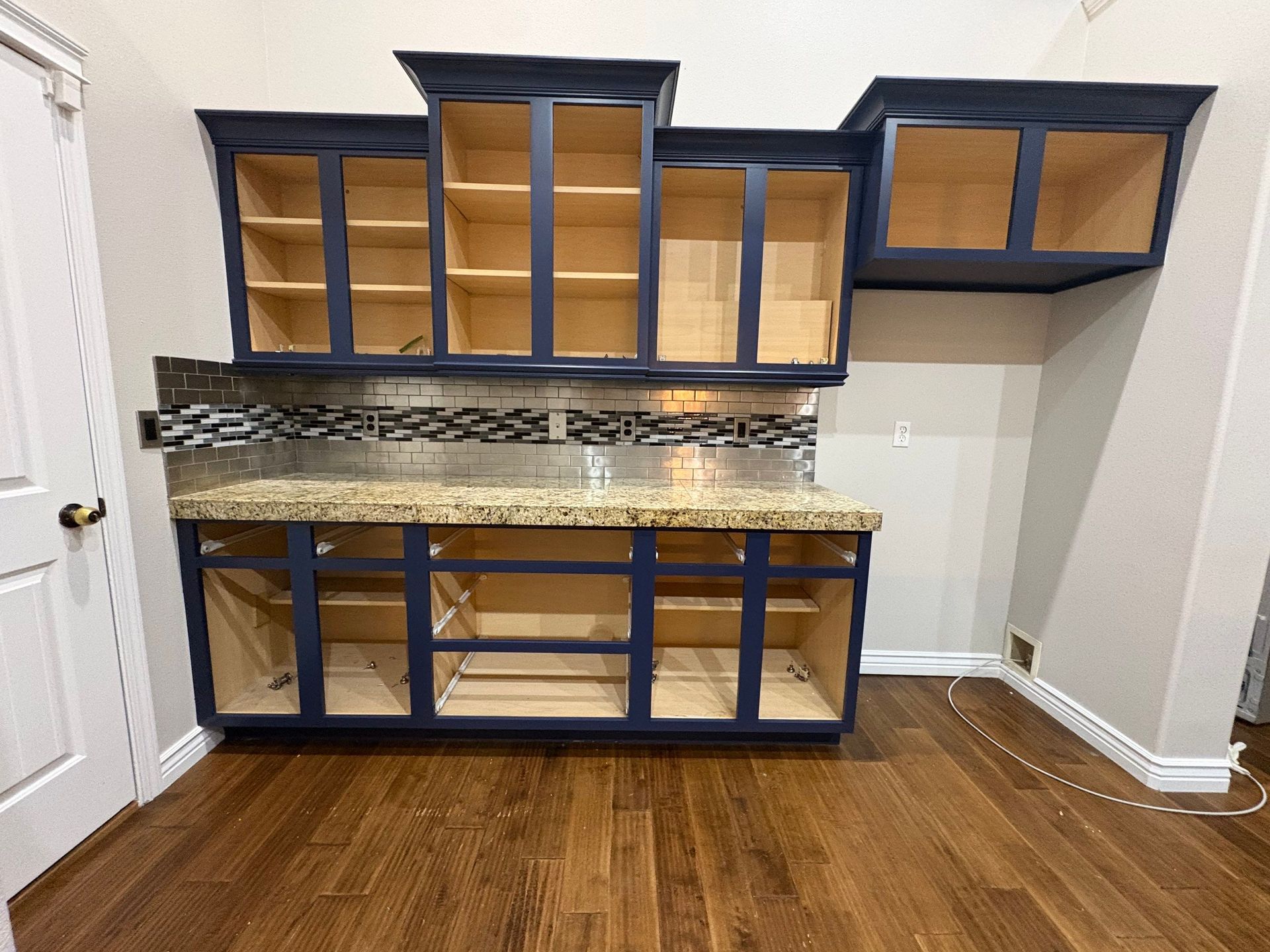
The key is whether the doors, frames, and cabinet boxes are still in usable condition. If the structure is sound and the old finish can be properly prepared, professional cabinet painting may be able to create a cleaner, more durable result.
That said, the existing texture and coating condition will affect how much correction is realistic. A professional finish starts with an honest look at what is already on the cabinets.
Some Damage Goes Beyond the Existing Paint
Paint is only one part of the cabinet evaluation. If the underlying cabinet material is damaged, repainting alone may not be enough.
Swollen MDF, water damage, peeling veneer, warped doors, broken drawer boxes, loose hinges, or failing cabinet frames should be addressed before another paint job is considered. Some repairs may be worthwhile when the cabinets are otherwise solid. More widespread deterioration may make replacement or partial replacement the better option.
Cabinet refinishing makes the most sense when the existing cabinets are structurally usable but cosmetically worn, dated, or poorly finished.
A Professional Assessment Can Prevent Another Failed Finish
The best way to avoid repeating past cabinet paint problems is to understand why the current finish is not performing well. Adhesion, surface texture, grease buildup, previous repairs, unknown coatings, and cabinet material all influence the prep plan.
A professional assessment can help determine whether the cabinets need standard prep, extra sanding, coating removal, repair, priming, or a different approach altogether. This is especially important if the current paint is peeling, sticky, or heavily textured.
The goal is not just to make the cabinets look better for a few months. The goal is to create a finish that can handle daily kitchen use.
Boise Homeowners May Be Able to Refresh Cabinets Without Replacing Them
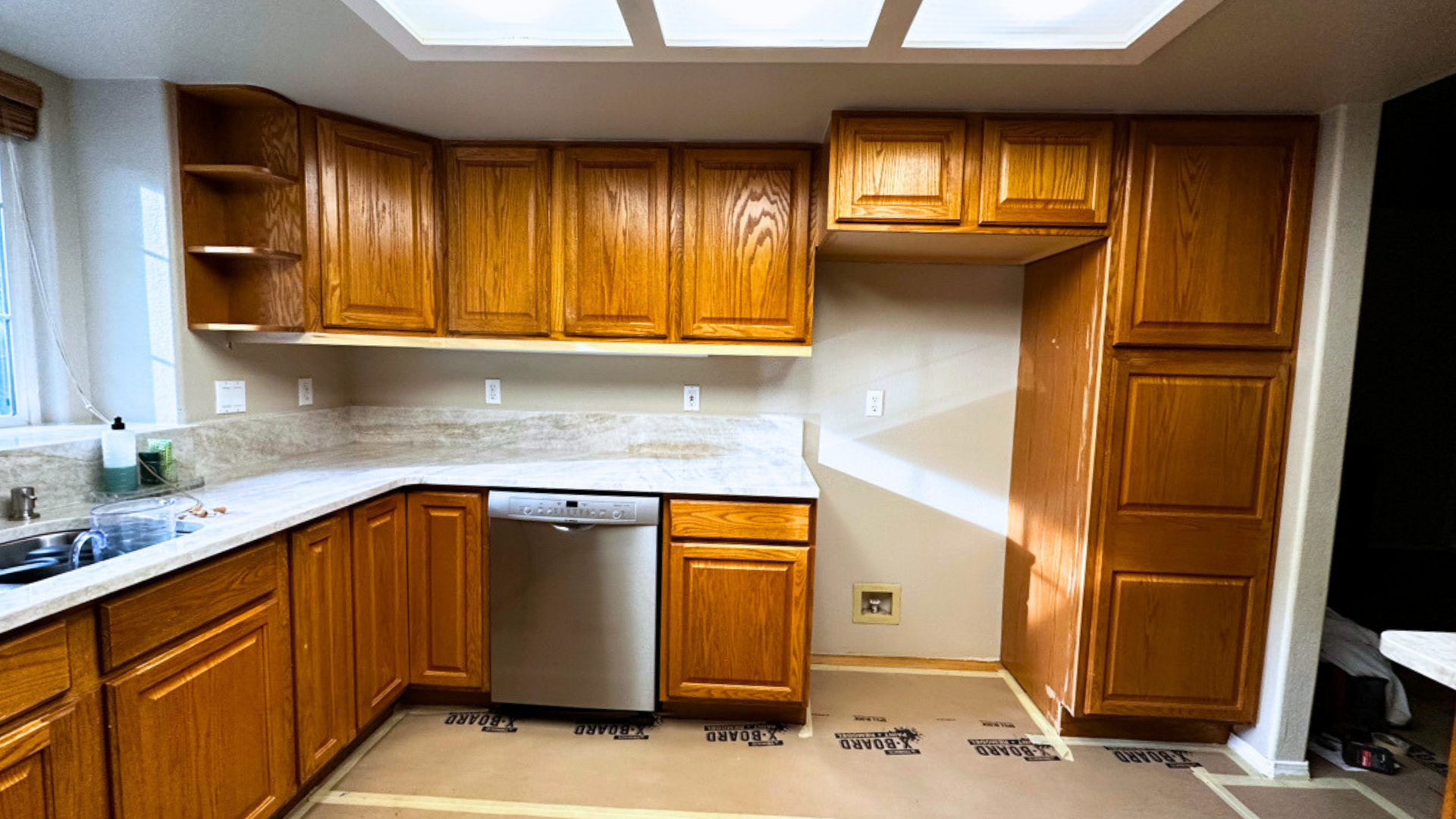
Many Boise area kitchens have cabinets that were painted during a previous renovation, DIY update, or quick refresh before resale. Some of those cabinets may still be good candidates for refinishing, even if the current color or finish no longer looks right.
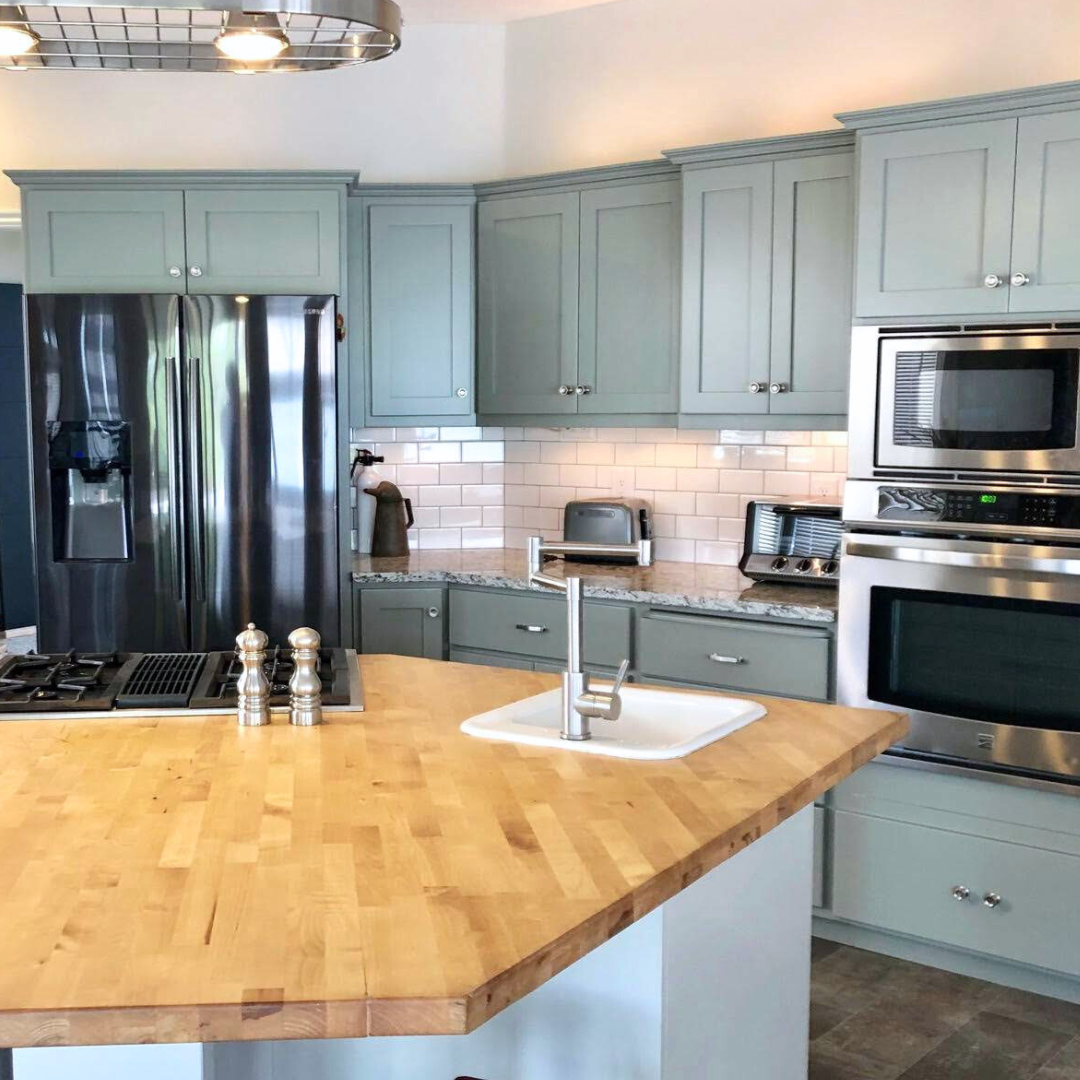
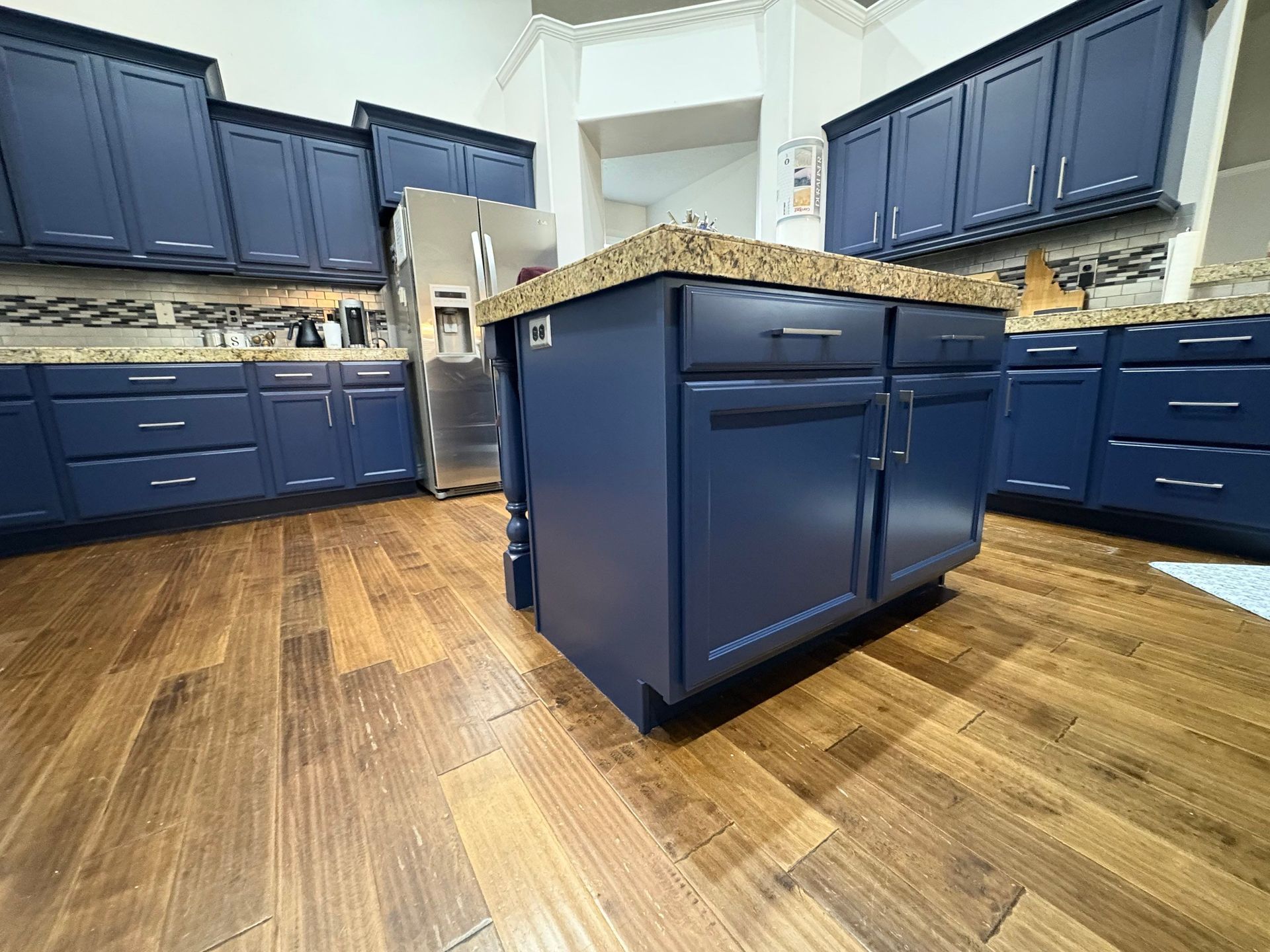
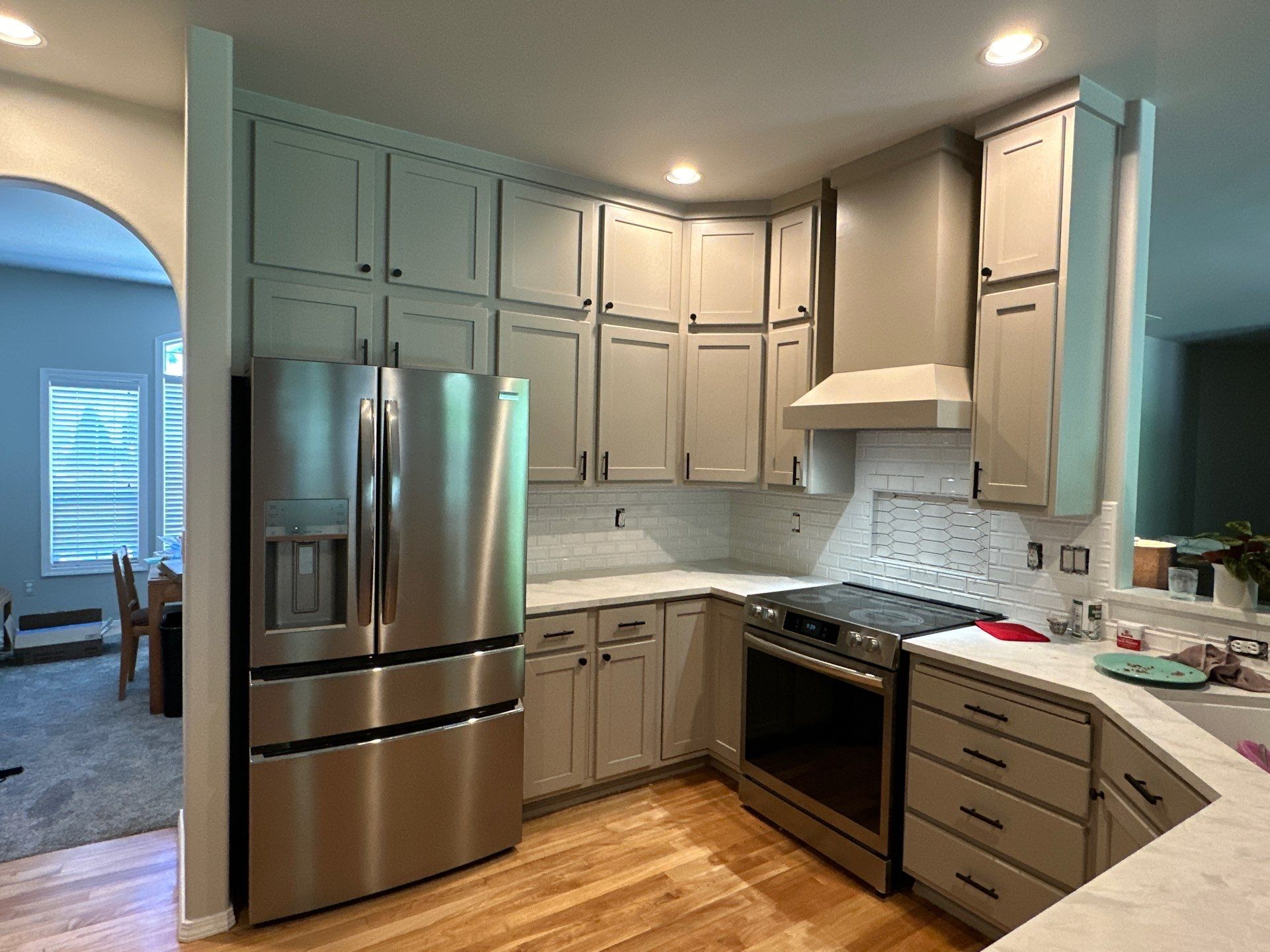
If the boxes, doors, and drawer fronts are still sound, repainting kitchen cabinets can be a practical way to update the room without replacing the entire cabinet system. The important step is evaluating the existing finish before deciding how to move forward.
Find Out If Your Painted Cabinets Can Be Refinished with Spray ’n Coat
Previously painted cabinets can often be painted again, but the process depends on what condition the old finish is in. Peeling, chipping, brush marks, grease, soft paint, and unknown products can all affect the prep required before a new finish goes on.
Spray ’n Coat Painting helps homeowners throughout Boise, Nampa, Meridian, and the
Treasure Valley evaluate painted cabinets before recommending the next step. If your cabinets were painted before and you are wondering whether they can be refinished again, request a cabinet painting estimate or evaluation to get clear guidance before the project begins.