What’s Included in Professional Kitchen Cabinet Painting?
Last Updated: November 16, 2026
Painting kitchen cabinets may seem like a straightforward way to change their color, but achieving a smooth, durable finish involves much more than applying paint. Cabinet doors, drawer fronts, frames, and exposed panels all need careful attention, and the existing material and finish can significantly affect the work involved.
Professional kitchen cabinet painting typically includes surface preparation, refinishing the visible cabinet components, and applying a coating system designed for everyday kitchen use. Depending on the condition of the cabinets and the homeowner's preferences, the project may also involve additional sanding, grain filling, repairs, hardware changes, or replacement doors.
The Process Starts with Evaluating Your Cabinets
Before painting begins, it's important to understand what the cabinets are made from and how they were previously finished. Not every kitchen requires the same amount of preparation.
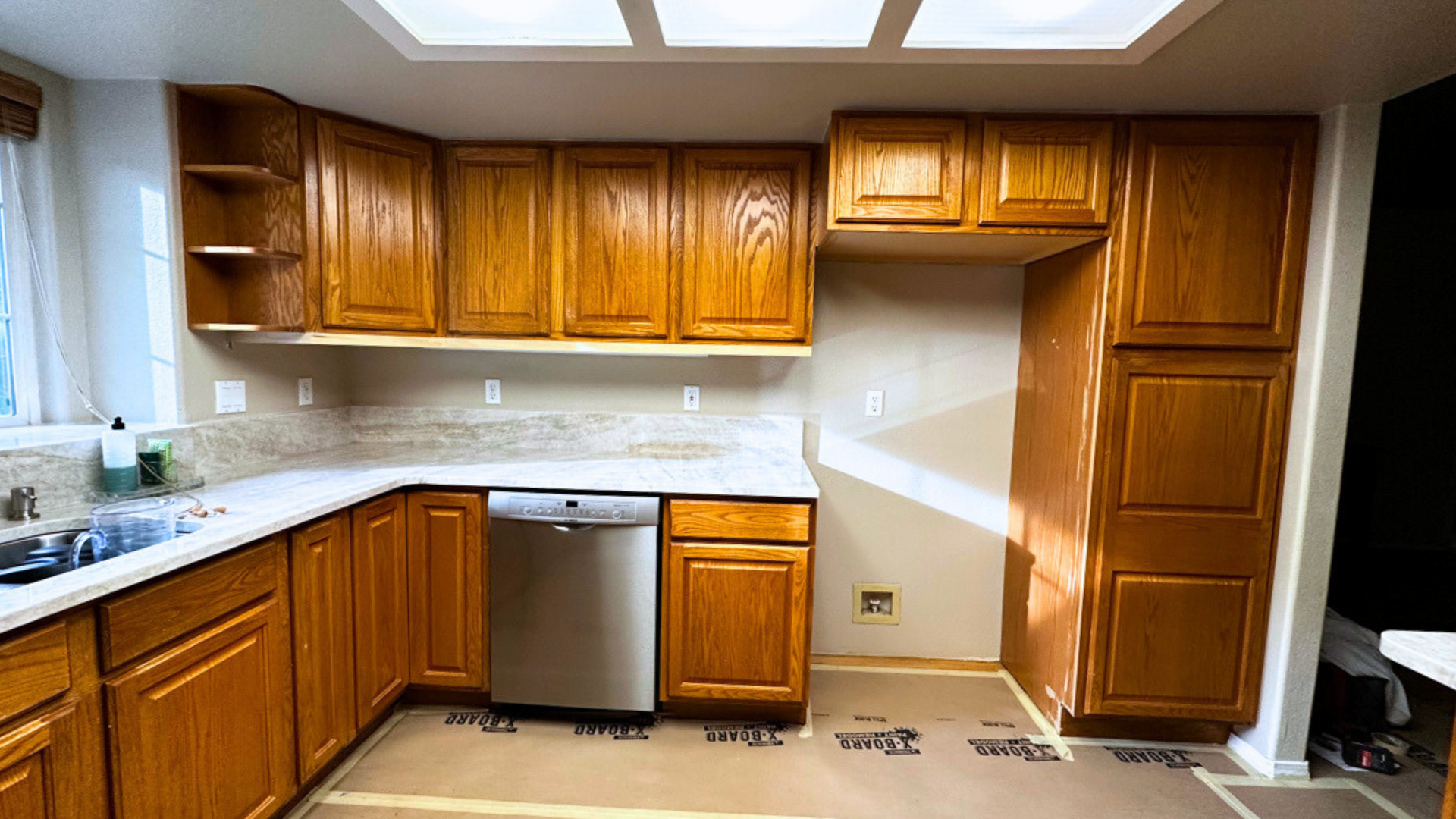
For example, stained wood cabinets with a sound clear finish are generally straightforward candidates for refinishing. Oak cabinets may need additional work if the homeowner wants to hide the wood grain, while knotty alder may require filling to create a smoother surface.
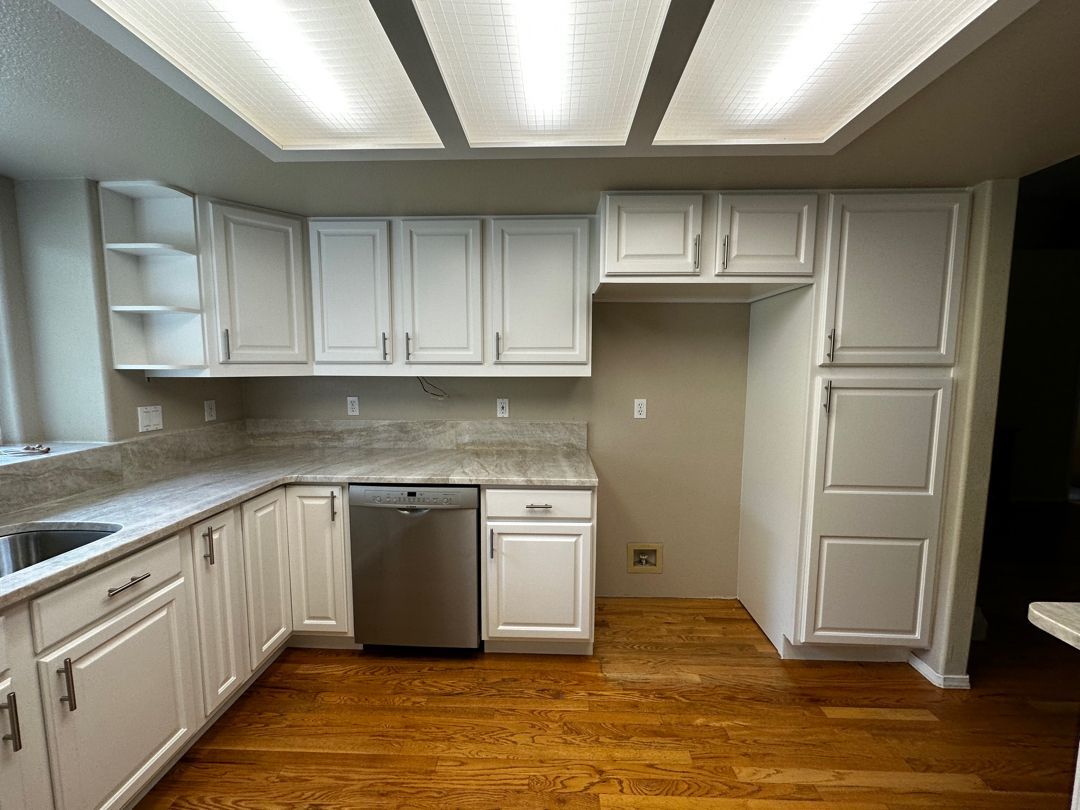
Previously painted cabinets need a different evaluation, especially when the existing paint is peeling or poorly bonded. Identifying these conditions early helps determine the preparation needed and whether additional work should be included.
Cleaning and Surface Preparation Come First
One of the most important parts of professional cabinet painting happens before the first finish coat is applied. Kitchen cabinets collect grease, cooking residue, fingerprints, cleaning products, and other buildup that can interfere with paint adhesion.
Professional preparation generally involves thoroughly cleaning the surfaces, sanding or deglossing the existing finish, and addressing imperfections before priming and painting.
Cabinets with a sound stained finish may only need standard preparation. However, previously painted cabinets with peeling or failing coatings can require extensive sanding and removal of unstable material.
Applying a new coating over failing paint does not correct the underlying adhesion problem. Proper preparation creates the foundation for a finish that looks better and holds up to daily use.
Some Cabinets Need Additional Prep for a Smoother Finish
The material and desired appearance can change the amount of preparation required. Certain wood species have natural characteristics that remain visible after painting unless extra steps are taken.
Filling Oak Grain
Oak has an open-grain pattern that can remain noticeable beneath painted finishes. This isn't necessarily a problem, and some homeowners prefer keeping a little natural wood texture.
For those who want a smoother appearance, additional grain filling can reduce the visibility of the wood pattern before the cabinets are primed and painted. This requires extra labor and materials, so it's typically considered an optional preparation upgrade.
Filling Knots in Alder
Knotty alder cabinets can present a similar situation. If homeowners prefer a smooth, uniform appearance without visible knots, additional filling and sanding may be needed.
These details should be discussed before the project begins so the finished appearance matches the homeowner's expectations.
Cabinet Doors and Drawer Fronts Receive Individual Attention
Cabinet doors and drawer fronts make up a large portion of the kitchen's visible cabinetry. They also experience frequent use, which makes preparation and coating quality especially important.
Professional refinishing involves removing the applicable components, preparing their surfaces, and applying the selected cabinet coating. Spray ’n Coat uses professional spraying techniques to achieve a smooth, consistent finish.
Functional drawer fronts and false drawer fronts receive essentially the same painting treatment. Even when a drawer front doesn't open, it still needs to be removed, prepared, and finished like the other visible components.
After the coating has been applied and is ready for handling, the components can be carefully reinstalled.
Cabinet Boxes and Frames Are Included Too
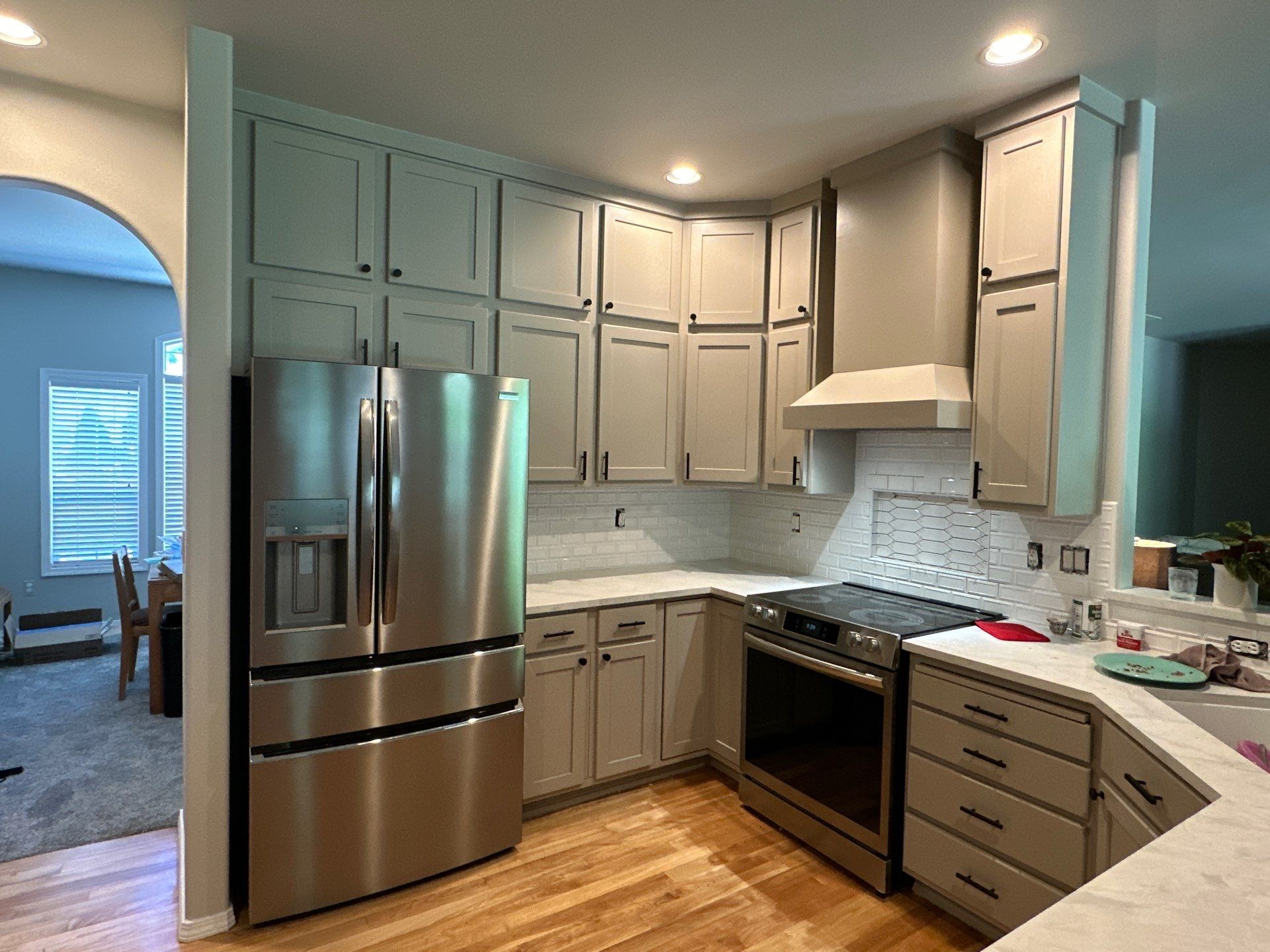
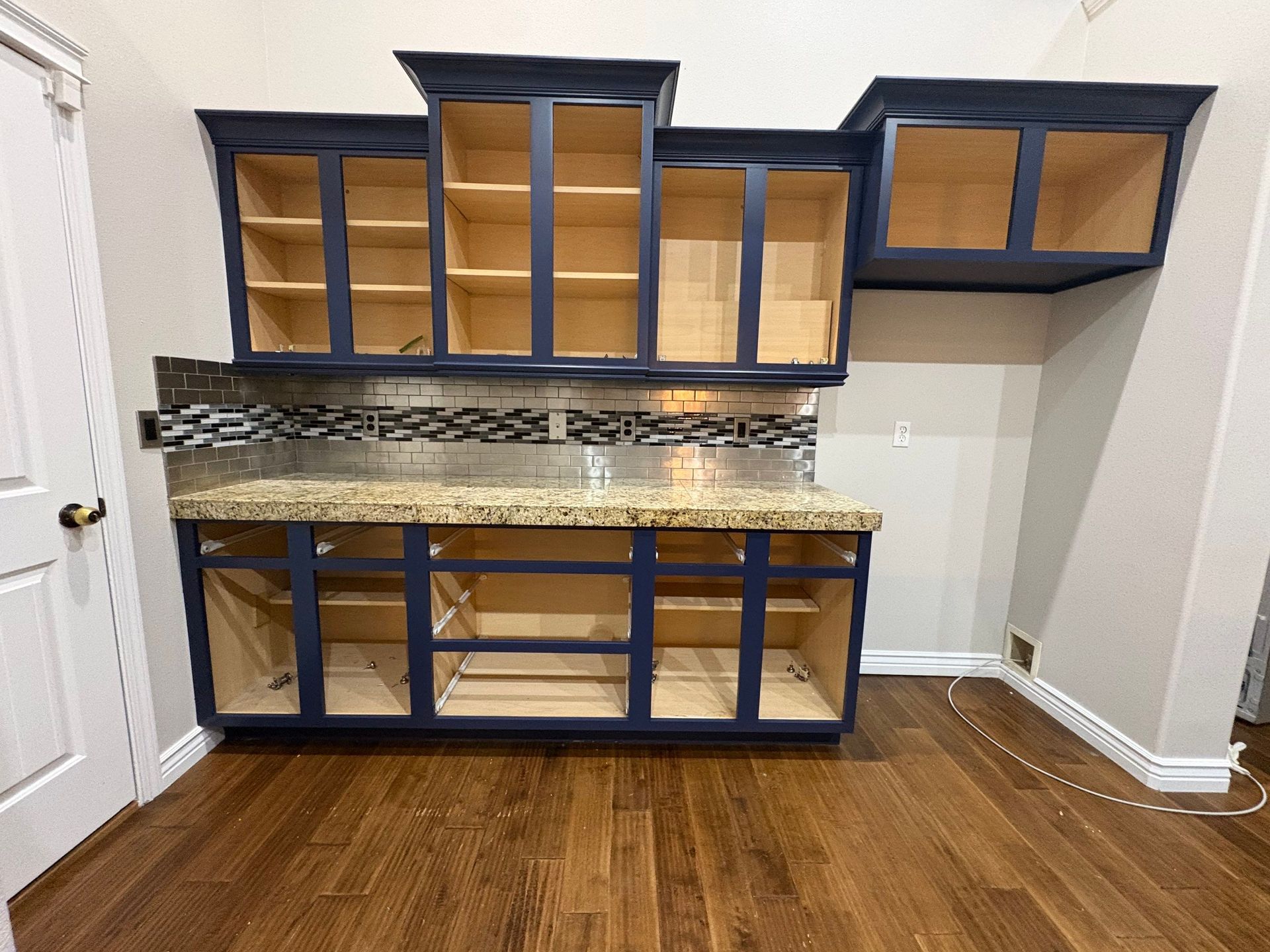
Professional cabinet painting isn't limited to the doors and drawers. The visible cabinet boxes, face frames, exposed end panels, and other fixed surfaces also need attention so the finished kitchen looks consistent.
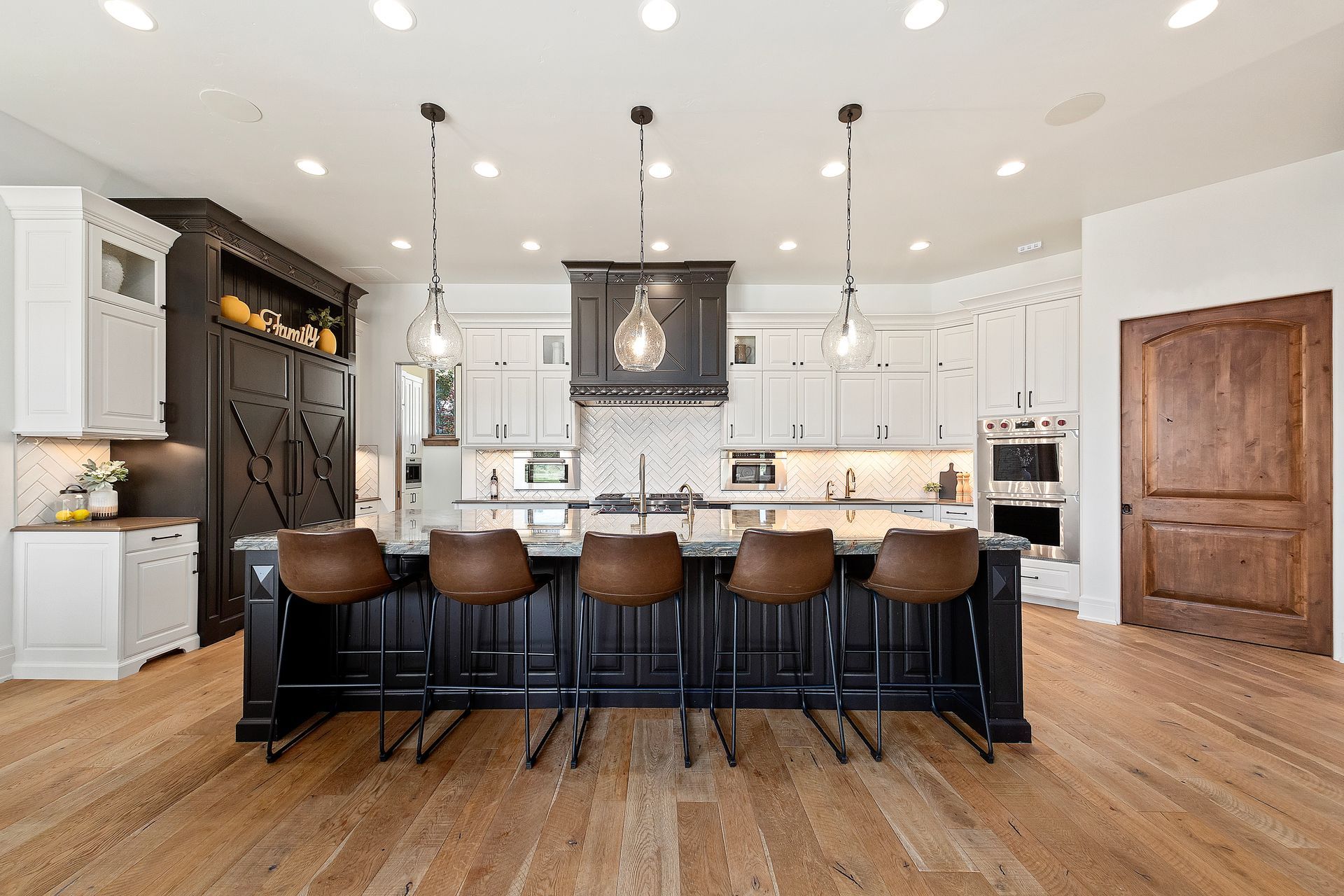
Some kitchens have relatively simple cabinetry, while others include extensive decorative details. Features that may require additional preparation and painting time include:
- Large exposed cabinet side panels
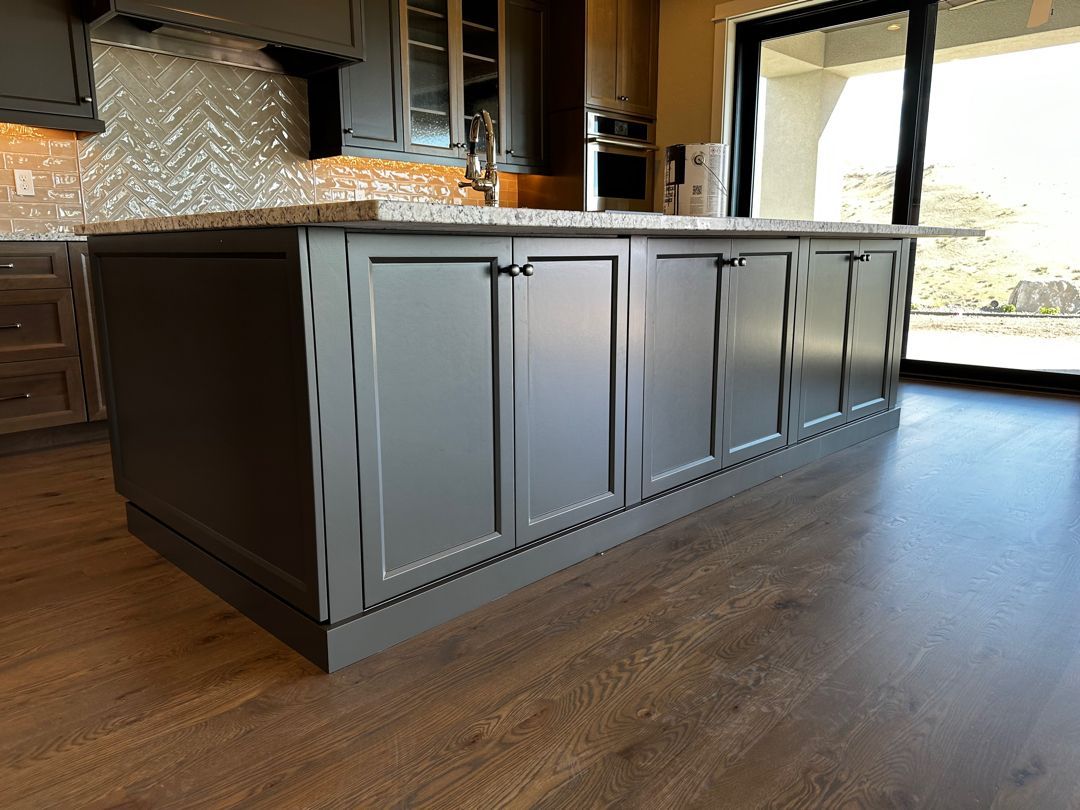
- Decorative kitchen islands and peninsulas
- Extra-tall cabinetry and specialty trim
- False cabinet doors or decorative island panels
- Ornate wood range hoods and detailed woodwork
These areas can significantly affect the project scope because they require additional cleaning, sanding, preparation, and finishing.
Existing Damage or Failing Paint Can Change the Scope
Not every cabinet surface is ready for standard preparation. Peeling paint, poorly adhered coatings, deep scratches, or previous repairs can require additional work before refinishing.
For example, cabinets with extensive paint failure may need substantial sanding to remove unstable material. Simply applying a more durable coating over the old finish won't necessarily prevent peeling from returning.
The underlying cabinet condition matters too. Water-damaged panels, swollen materials, or deteriorated components may require repair or replacement before painting is worthwhile.
This is why evaluating the existing cabinets is an important part of determining what the project should include.
The Coating System Matters as Much as Preparation
The type of coating used on kitchen cabinets affects both appearance and durability. Unlike ordinary wall paint, cabinet finishes need to withstand frequent handling, cleaning, and everyday household activity.
Spray ’n Coat has experience with several cabinet coating systems, including pigmented lacquer, single-component high-performance acrylic coatings, and two-component acrylic polyurethane.
Pigmented lacquer is generally a lower-cost option but can be more susceptible to chipping and hairline cracking. High-performance single-component acrylic products provide another option, although Spray ’n Coat prefers a more durable coating system for kitchen applications.
Why Spray ’n Coat Prefers 2K Coatings
Spray ’n Coat's preferred system is a two-component acrylic polyurethane coating, commonly called a 2K coating.
This system produces a furniture-grade finish and offers greater durability than the traditional lacquer and single-component options described above. It's designed to handle the frequent contact and cleaning associated with kitchen cabinets.
The coating selected should be discussed as part of the project so homeowners understand what they're receiving and why it makes sense for their cabinets.
Hardware Changes Can Be Part of the Project
Cabinet refinishing can also be a convenient time to replace outdated knobs and pulls. New hardware can complement the updated color without requiring major changes to the cabinetry.
If the new hardware fits the existing holes, installation may be relatively simple. However, different hardware sizes or locations may require drilling new holes.
When existing holes need to be filled before installing new hardware, additional preparation is necessary to create a clean finished appearance.
Hardware modifications are optional services rather than something automatically included in every cabinet painting project.
You Can Update the Cabinet Style Too
Some homeowners want to keep their existing cabinet boxes but change the style of the doors and drawer fronts.
Spray ’n Coat can provide replacement cabinet doors and drawer fronts, allowing homeowners to make a more substantial appearance change without replacing the entire cabinet system.
For example, dated cabinet doors could be replaced with a simpler design while retaining the existing boxes and painting the new components to match.
Replacement doors and drawer fronts add to the project scope and are separate from the standard painting work.
Multiple Cabinet Colors Require Additional Planning
Using more than one cabinet color can create an attractive, coordinated kitchen, but it also requires additional preparation and organization.
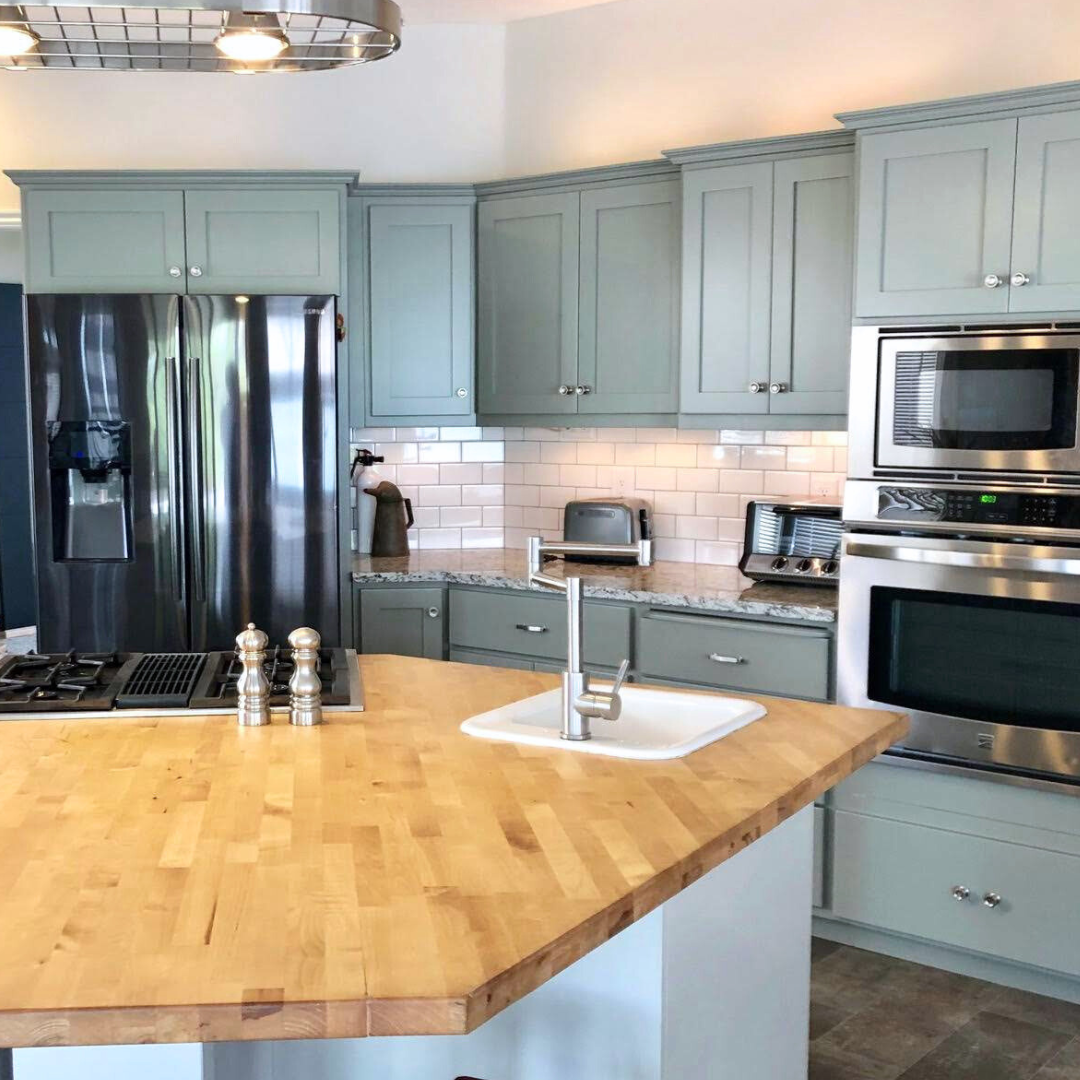
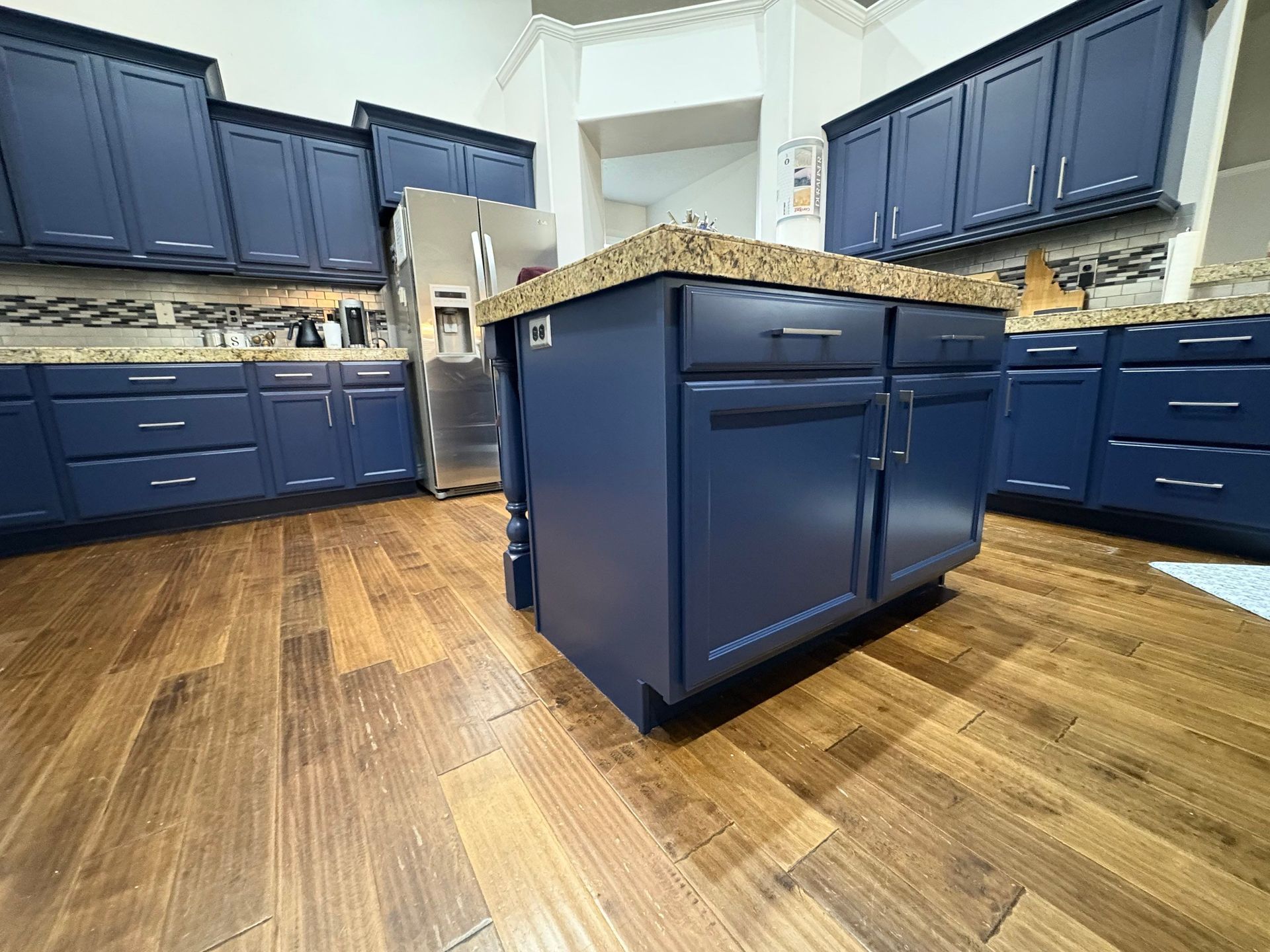
For example, homeowners may want white perimeter cabinets with a dark blue or green island. These areas need to be managed and coated separately to maintain consistent results.
Because the project involves more than one finish color, additional labor is typically required. Discussing the color plan early helps ensure the estimate reflects the intended design.
What Should You Expect from a Professional Cabinet Painting Project?
The value of professional cabinet painting comes from the entire process, not simply the final color.
A typical project involves evaluating the existing cabinetry, preparing the surfaces, refinishing doors and drawer fronts, painting visible cabinet boxes and frames, and applying an appropriate coating system.
Additional services depend on the condition of the cabinets and the desired result. Grain filling, extensive paint removal, replacement doors, hardware changes, and multiple colors may require separate work beyond standard refinishing.
Homeowners should understand which preparation steps and components are included before the project begins. This helps establish realistic expectations for the finished appearance, durability, and overall scope.
Update Your Boise Kitchen with Spray ’n Coat
Professional cabinet painting can transform a kitchen without replacing cabinetry that's still in good condition. The best results come from understanding the existing surfaces, completing the necessary preparation, and choosing a durable finish suited to daily use.
Spray ’n Coat Painting provides professional kitchen cabinet painting for homeowners in Boise, Nampa, Meridian, and throughout the Treasure Valley.
Whether your cabinets need standard refinishing, additional grain filling, or an updated door style,
request a free estimate to learn what your kitchen cabinet painting project would involve.