Why Some Kitchen Cabinets Cost More to Paint Than Others
Last Updated: November 16, 2026
Two kitchens can have almost the same number of cabinet doors and drawers but receive noticeably different painting estimates. At first, that might seem confusing. If the kitchens are similar in size, shouldn't the cost to paint them be about the same?
Cabinet painting costs can differ because some kitchens have more exposed surfaces, oversized components, decorative details, or custom features that require additional preparation and painting time. The number of doors and drawer fronts matters, but it doesn't tell the whole story.
Understanding these differences can help homeowners see what goes into an estimate and why a more detailed kitchen may cost more to refinish.
Cabinet Count Is Only Part of the Estimate
Counting cabinet doors and drawer fronts is an important starting point when estimating a kitchen cabinet painting project. Each component needs to be removed, prepared, coated, and reinstalled, so the number of pieces helps establish the basic workload.
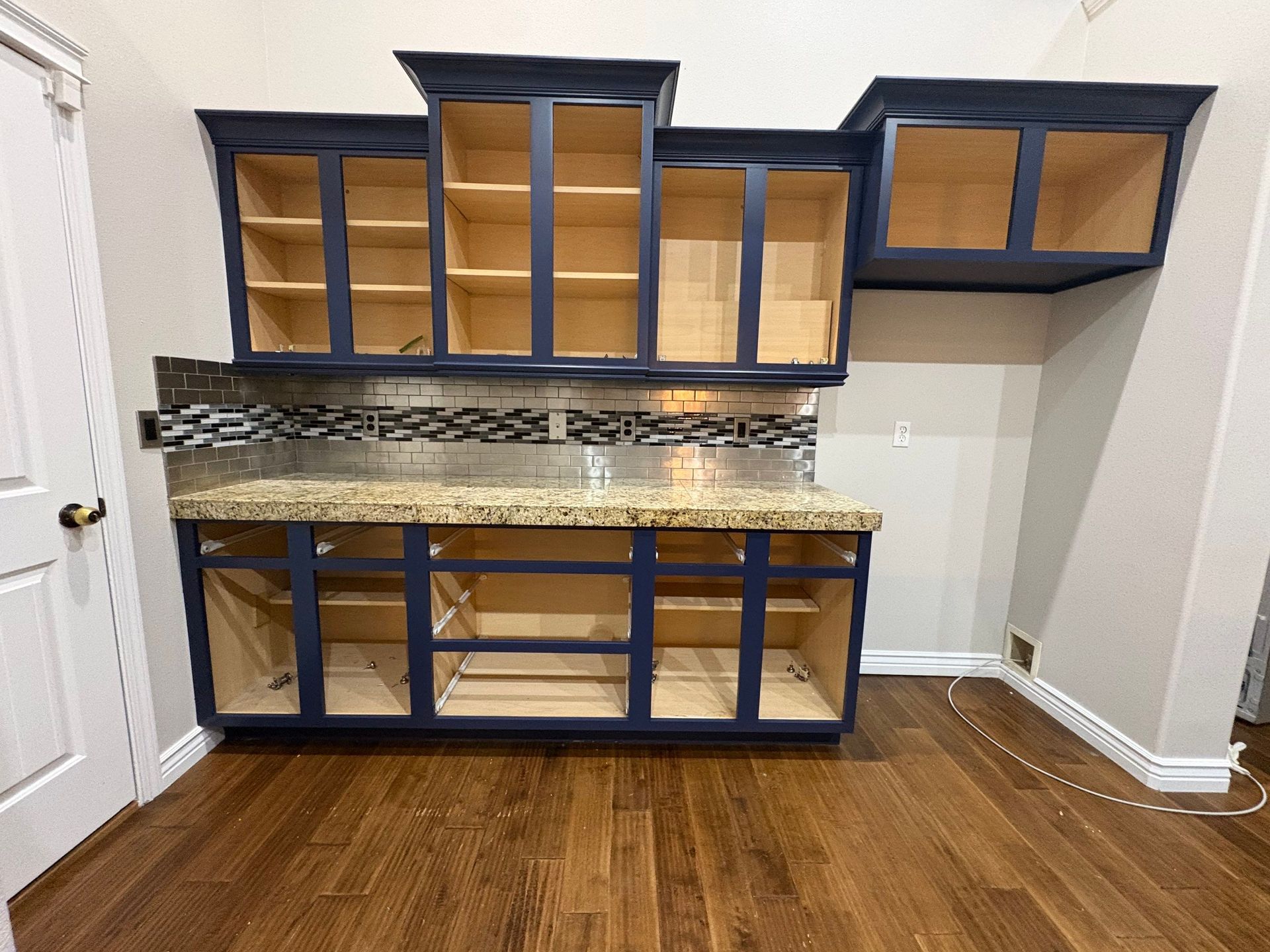
However, the doors and drawers aren't the only surfaces being painted. Cabinet boxes, face frames, exposed sides, islands, and decorative features all contribute to the project.
At Spray ’n Coat Painting, these additional details are considered when evaluating a kitchen. A straightforward layout with standard cabinets may require significantly less work than one with extensive decorative woodwork, even when the door counts are nearly identical.
More Exposed Cabinet Surfaces Mean More Work
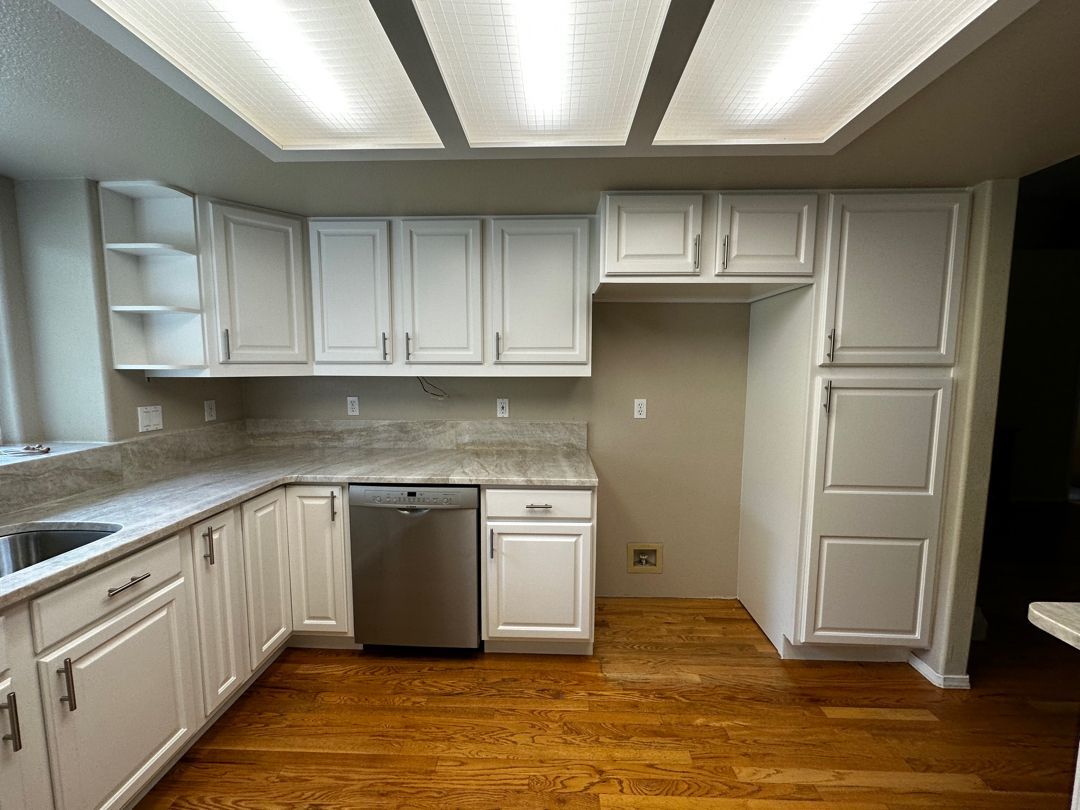
In some kitchens, most cabinet boxes are positioned against walls or beside other cabinets. This leaves relatively few exposed surfaces beyond the face frames.
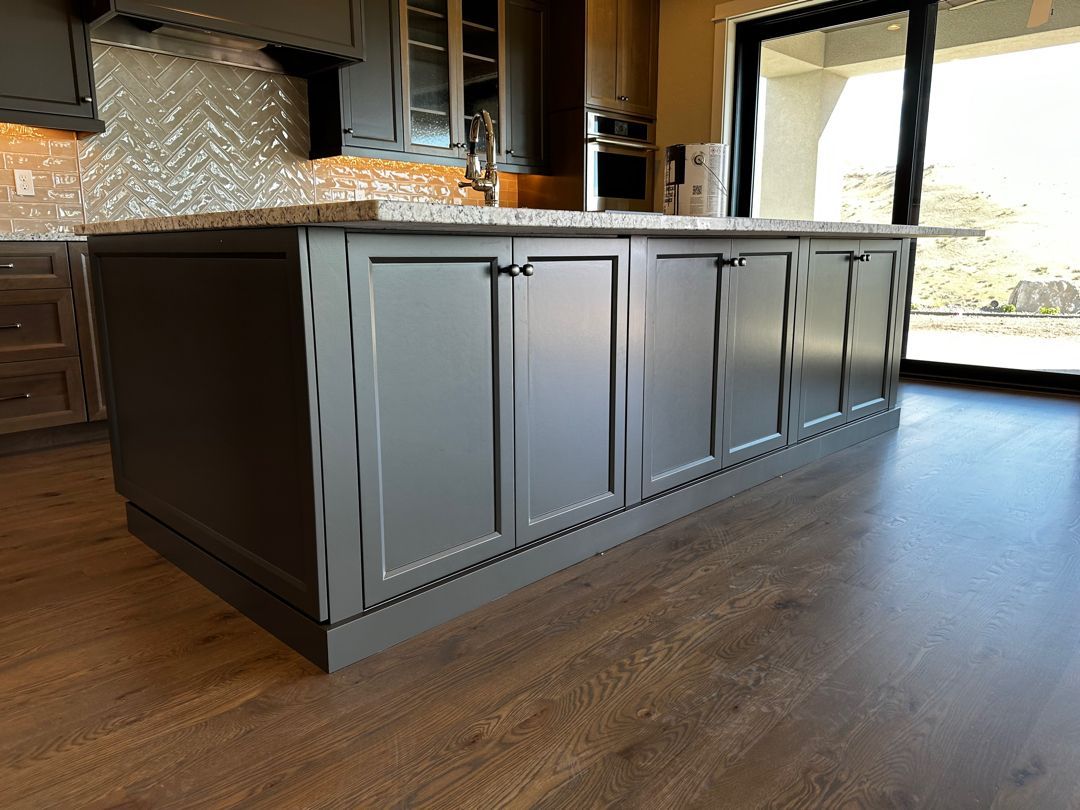
Other kitchens have large finished side panels, open ends, or cabinetry visible from several directions. These surfaces still need cleaning, sanding, preparation, and coating to match the rest of the kitchen.
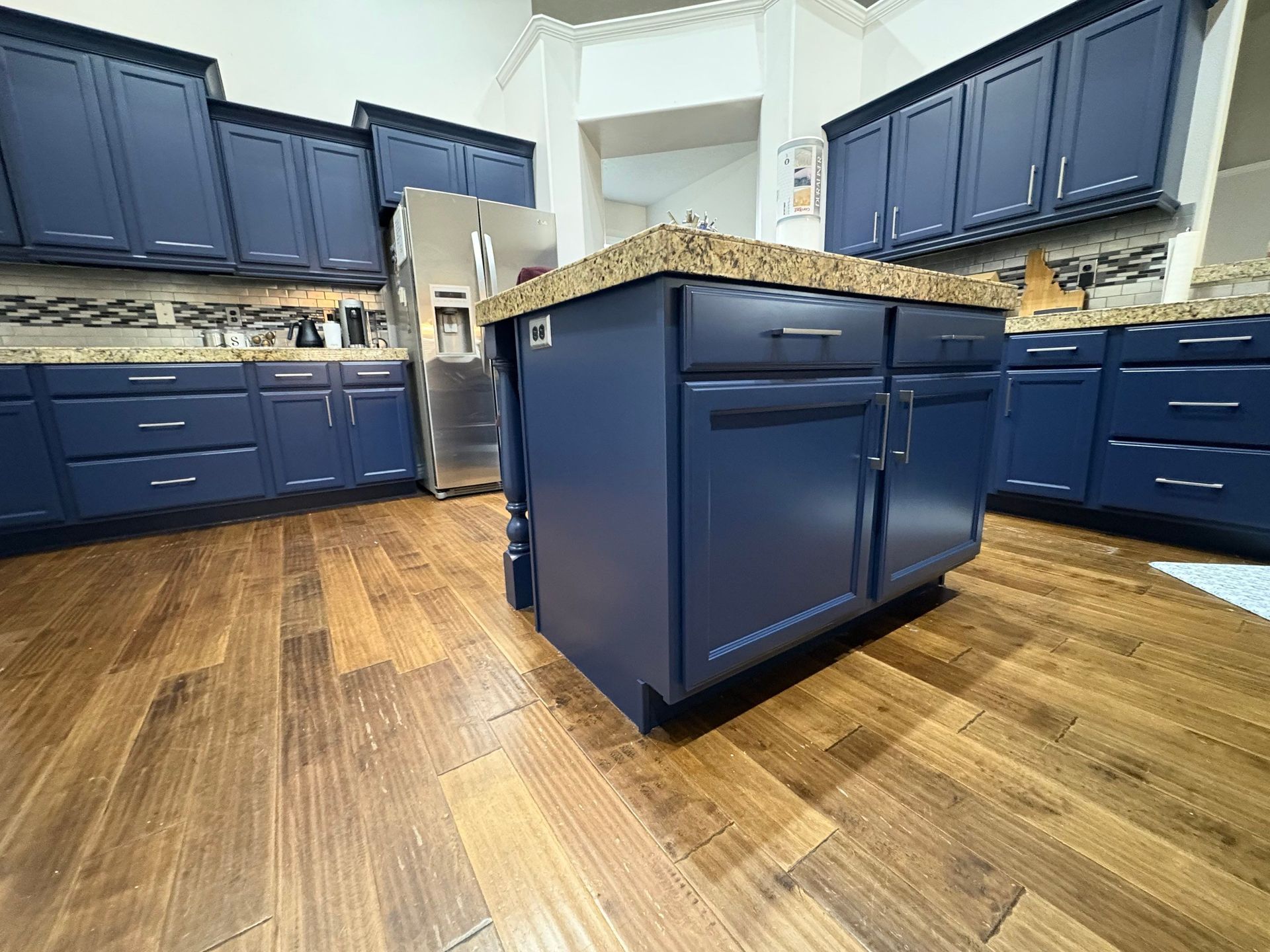
A peninsula, for example, may have finished panels facing the dining area. A standalone cabinet might have multiple exposed sides that require painting.
The more visible cabinetry there is, the more preparation and finishing work the project may involve.
Kitchen Islands Can Range from Simple to Highly Detailed
Kitchen islands are one of the clearest examples of why cabinet painting costs vary.
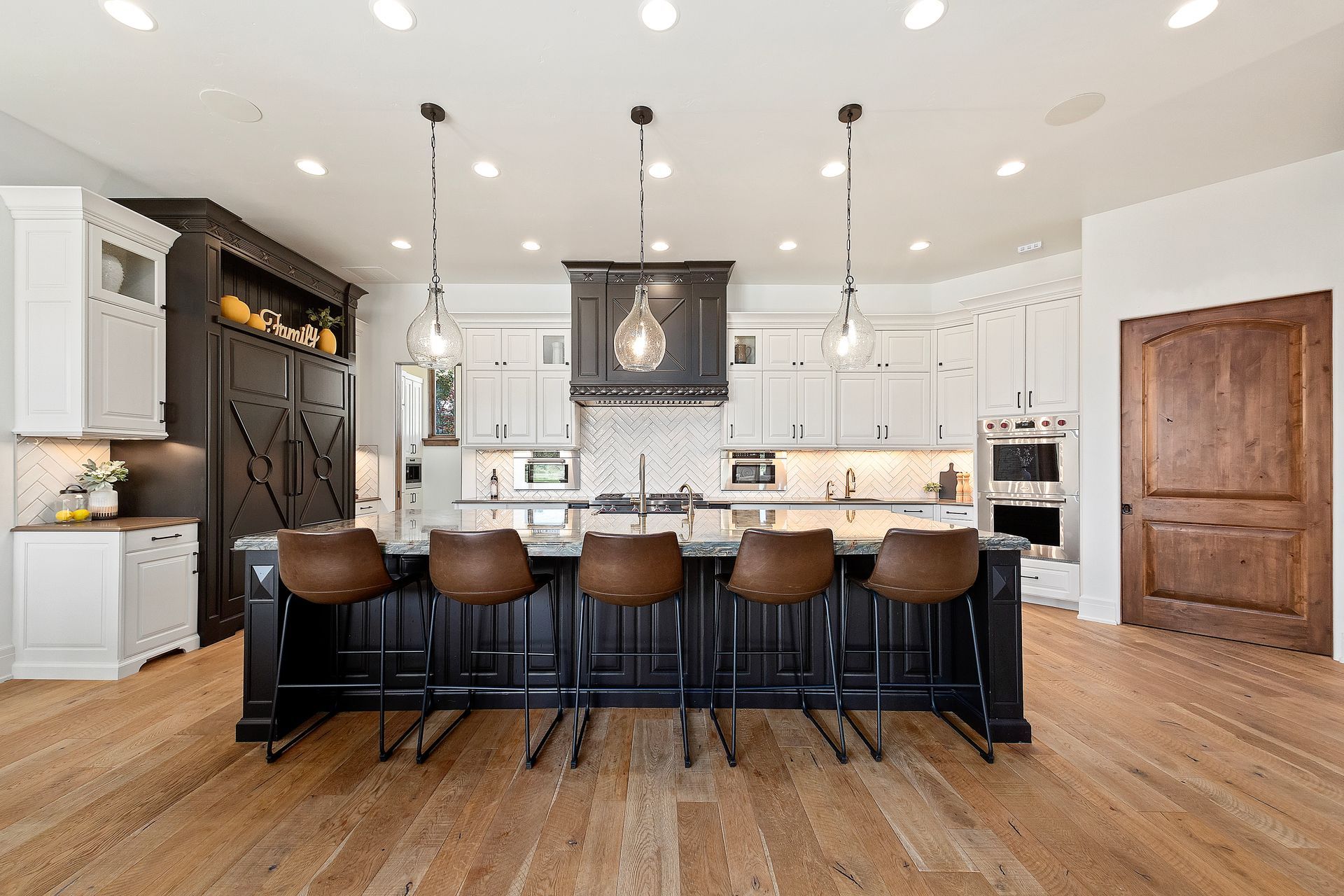
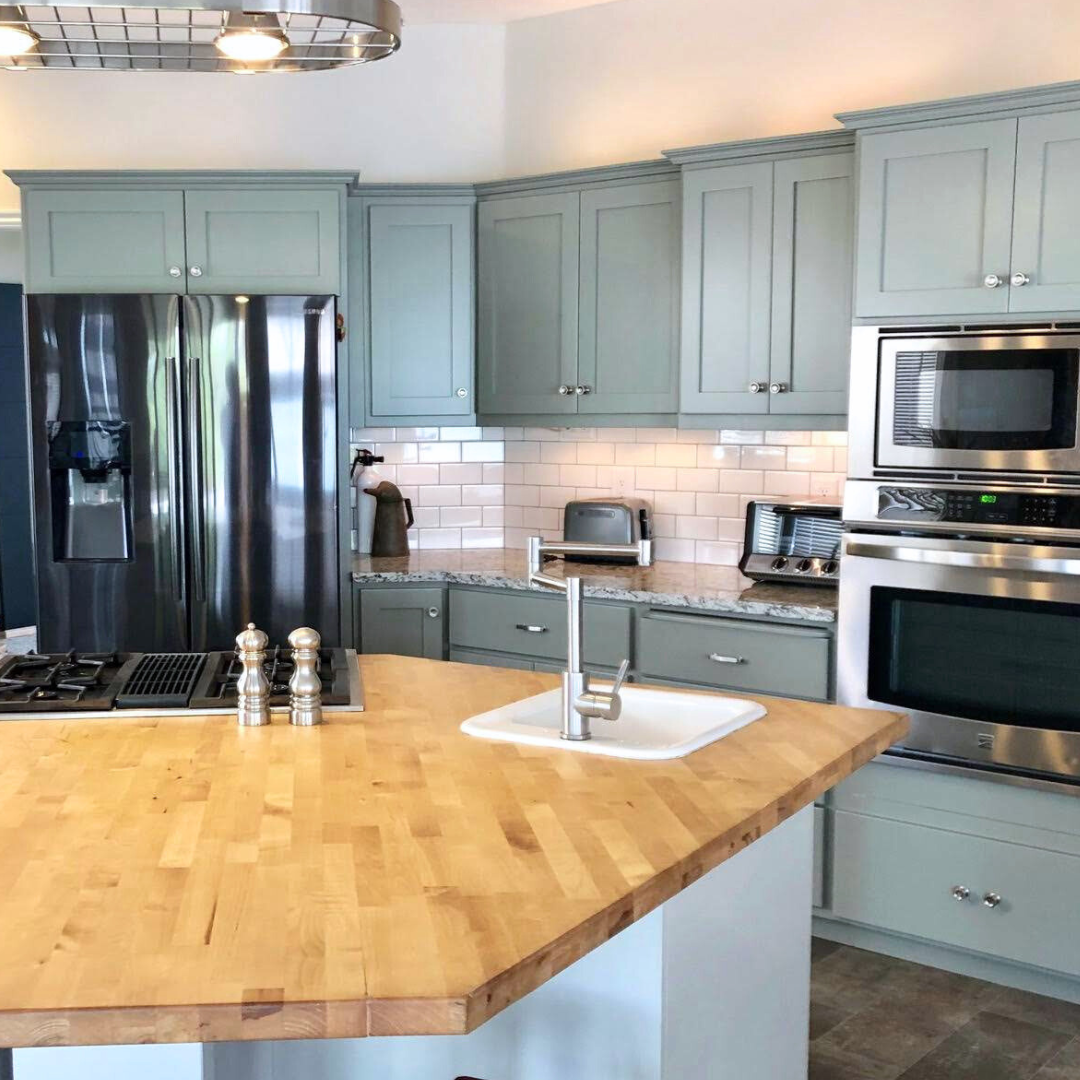
A basic island with a few doors, drawer fronts, and simple finished panels may be relatively straightforward to paint. A larger island with decorative wainscoting, false cabinet doors, applied molding, or finished panels on multiple sides can be considerably more involved.
Even decorative doors that don't open still need preparation and painting. Detailed corners, grooves, and raised surfaces also require extra attention.
Spray ’n Coat evaluates these features when estimating cabinet boxes and frames because the island may involve much more work than its door count suggests.
Oversized Doors and Tall Cabinetry Can Add to the Scope
Not every size difference affects cabinet painting costs. Spray ’n Coat generally prices standard cabinet doors similarly without taking exact measurements of each one.
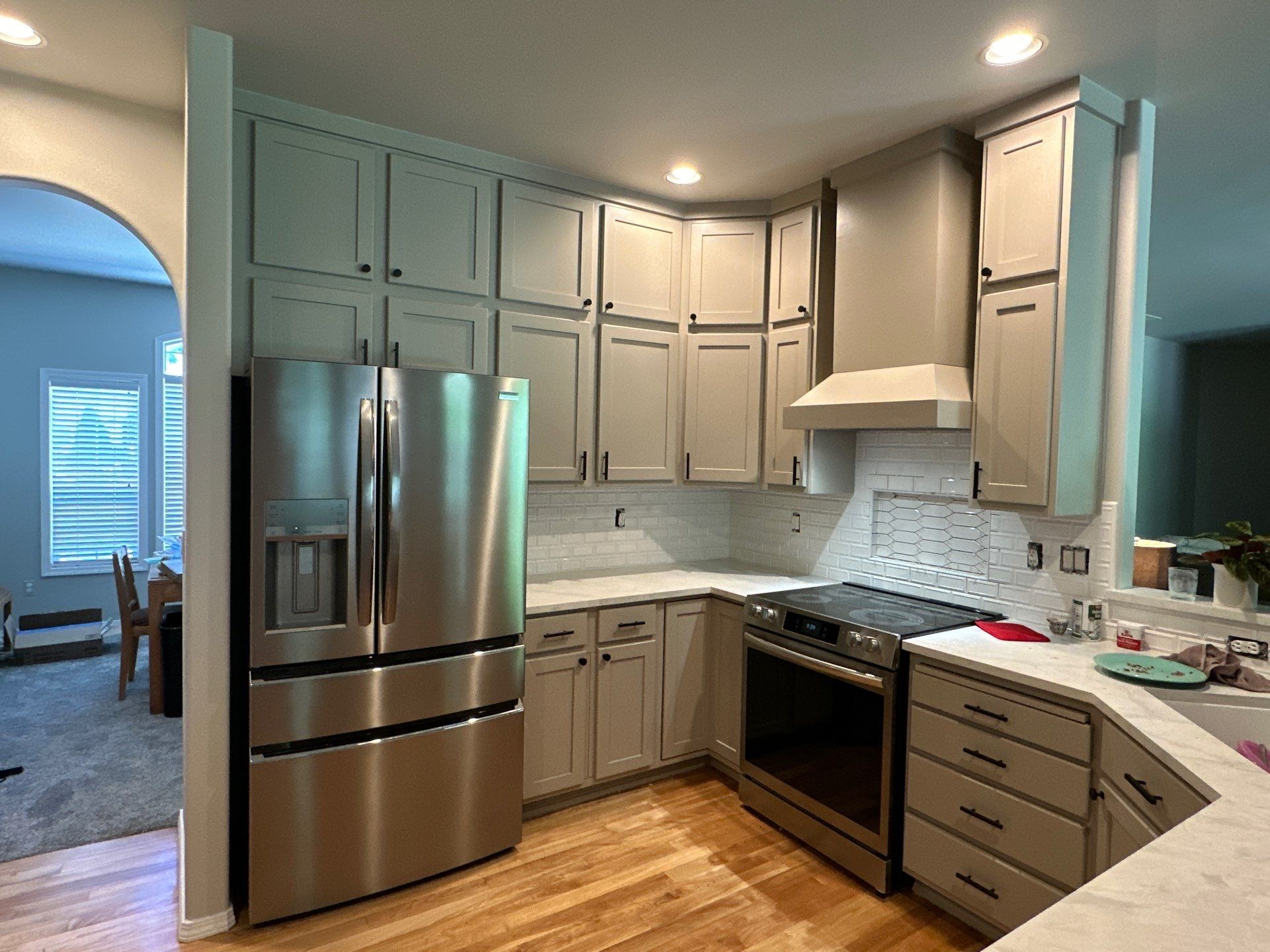
However, unusually large components can require additional labor. An oversized pantry door exceeding four feet in height, for example, may need special consideration because of its size and handling requirements.
Extra-tall cabinetry can also increase the amount of fixed surface area that needs preparation and painting.
The important distinction is that homeowners shouldn't assume every slightly larger door costs more. It's the unusually large or complex components that can change the estimate.
Decorative Range Hoods Can Require Much More Preparation
A decorative wood range hood can be one of the most labor-intensive features in a kitchen cabinet painting project.
Unlike a standard cabinet face frame, an ornate hood may include scrollwork, recessed areas, detailed trim, curves, and other features that require careful preparation.
Every groove and decorative element needs attention during cleaning, sanding, and coating. Some areas may also require additional masking or more detailed application to achieve an even finish.
A simple range hood surround and an elaborate custom wood hood can therefore involve very different amounts of work, even if the surrounding cabinets are nearly identical.
Decorative Trim Takes More Time Than Flat Surfaces
Specialty trim and detailed woodwork can increase cabinet painting labor throughout the kitchen, not just around the range hood.
Applied molding, raised panels, intricate corners, and decorative profiles all take longer to prepare than smooth, flat surfaces.
These details may require more careful sanding, additional handwork, and closer attention during coating application. The added cost generally comes from the time and precision involved rather than simply using more paint.
This is why the design of the cabinetry matters when comparing estimates.
Existing Cabinet Condition Can Increase the Work Further
Cabinet layout is only part of the equation. The existing finish can make an already detailed kitchen even more complicated to refinish.
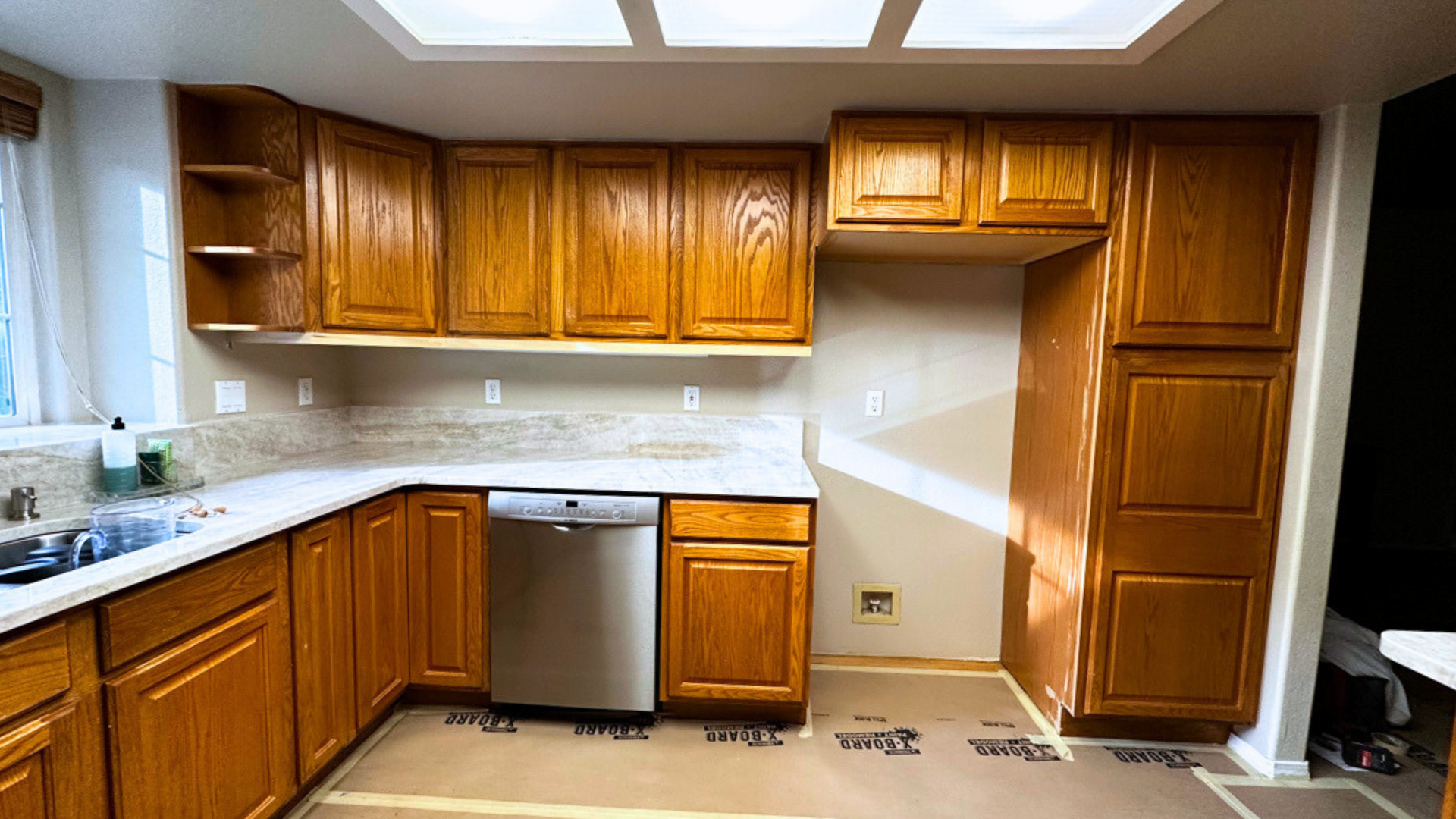
For example, cabinets with a sound stained finish generally require standard preparation. However, pronounced oak grain, visible knots in alder, or previously painted surfaces with peeling coatings may require additional work.
If homeowners want oak grain or alder knots filled for a smoother appearance, the extra preparation adds labor. Similarly, failing paint may need substantial sanding and removal before new coatings can be applied.
When these conditions occur alongside decorative cabinetry, the preparation requirements can increase considerably.
Multiple Cabinet Colors Add Another Layer of Work
Choosing more than one cabinet color can also change the project scope.
A common example is painting perimeter cabinets white while using a contrasting color on the kitchen island.
Although the physical cabinetry hasn't changed, the different colors require additional organization, preparation, and coating work. The island effectively becomes a separate portion of the larger project.
Spray ’n Coat typically estimates an additional $300 - $500 for multiple cabinet colors, depending on the kitchen and the work involved.
Project Photos Can Help Explain Pricing Differences
Sometimes the easiest way to understand differences in cabinet painting estimates is to compare the actual kitchens.
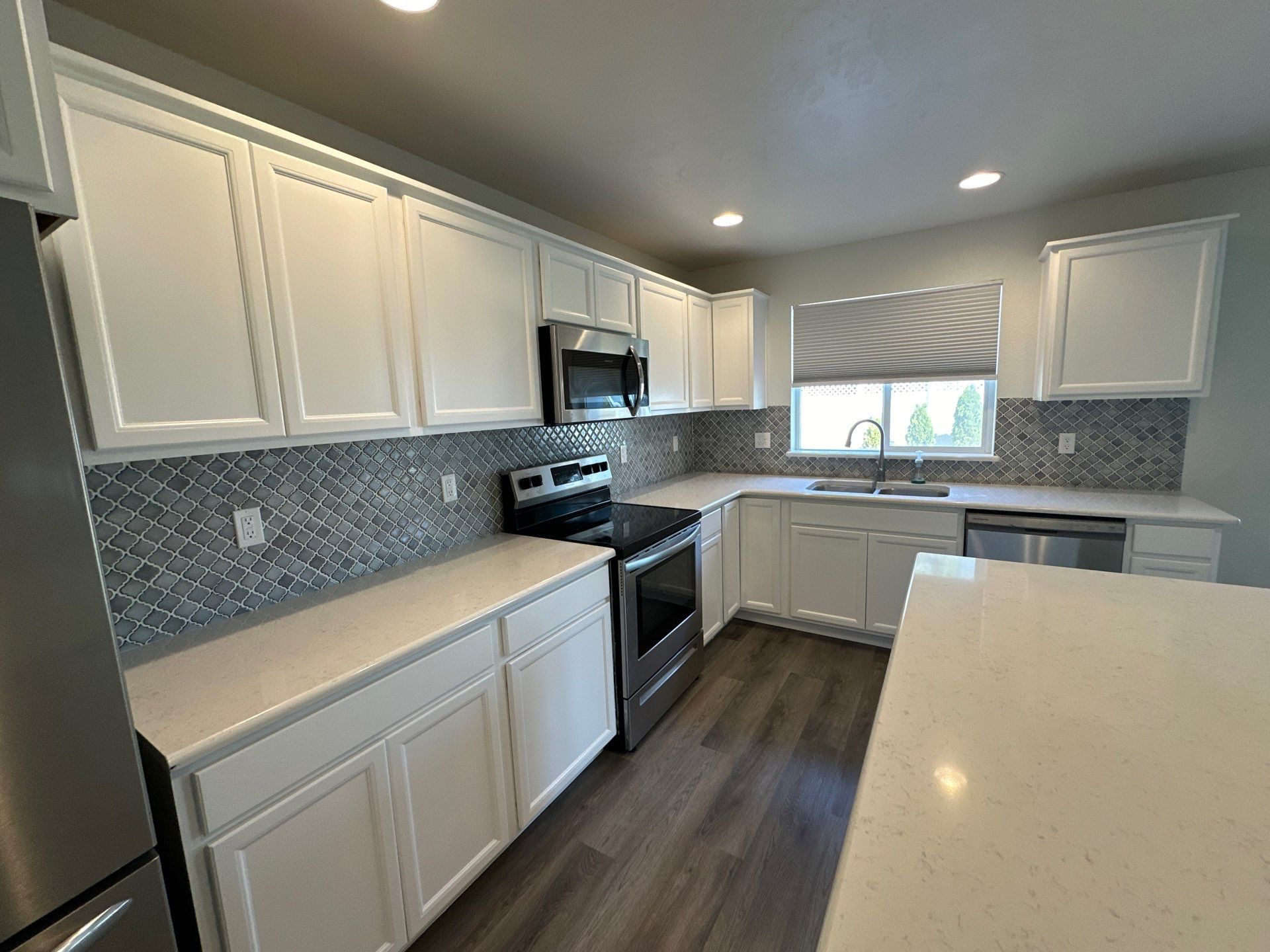
Imagine two kitchens with 20 cabinet doors. One has a straightforward layout, standard-height cabinetry, and mostly flat exposed surfaces. The other has an oversized pantry door, a decorative island, detailed range hood, and multiple finished side panels.
The door counts are identical, but the second kitchen has considerably more surfaces and details requiring attention.
Looking at photos of previous cabinet painting projects can help homeowners recognize these differences before requesting an estimate.
A Detailed Estimate Should Reflect Your Actual Kitchen
A useful kitchen cabinet painting estimate should account for the work involved, not simply apply one price to every kitchen of a similar size.
Door and drawer counts establish the starting point, while cabinet layout, exposed surfaces, decorative details, oversized components, and existing finish conditions help determine the additional labor required.
Design choices, including multiple colors or changes to cabinet components, should also be discussed before the project begins.
Understanding these factors makes it easier to compare proposals and recognize why two contractors may quote different amounts for what initially appears to be the same project.
Get a Cabinet Painting Estimate from Spray ’n Coat
Cabinet painting costs depend on more than how many doors and drawers you have. A kitchen with simple cabinetry may require less work than one with decorative islands, exposed panels, oversized doors, or custom woodwork.
Spray ’n Coat Painting provides professional kitchen cabinet painting throughout Boise, Nampa, Meridian, and the Treasure Valley.
If you're considering refinishing your cabinets, request a free estimate based on your kitchen's actual layout, existing finish, and design details.