Cracks, Nail Pops, Dents, and Drywall Patches: What Should Be Fixed Before Painting?
Last Updated: October 2, 2026
Walls rarely stay perfect after years of daily life. Picture hooks, furniture bumps, moving damage, settling, old repairs, and everyday wear can all leave behind dents, cracks, nail pops, and uneven drywall patches. When it is time to repaint, many homeowners wonder which issues need to be fixed first and which ones are handled during normal prep.
Minor surface imperfections can often be corrected during routine interior painting prep, while larger cracks, recurring nail pops, damaged drywall, or moisture-related issues may need more substantial repairs before painting begins. Knowing the difference helps you plan the project properly and avoid being disappointed with the finished result.
Why Wall Repairs Matter Before New Paint Goes On
Fresh paint can change the color, sheen, and feel of a room, but it does not hide every defect underneath it. In some cases, new paint can actually make imperfections more noticeable, especially when light hits the wall from a window, lamp, or hallway.
Dents, ridges, rough patches, raised drywall repairs, and cracks can still show through after painting if they are not addressed first. This is especially true with higher-sheen finishes, darker colors, or rooms with strong natural light. Good preparation is what helps the finished paint job look smooth, clean, and intentional instead of simply newer.
Small Dents and Holes Are Usually Straightforward Repairs
Small wall damage is common in almost every home. Picture nail holes, small anchor holes, furniture dings, scuffs, and minor dents are usually part of normal interior painting preparation. These areas can often be filled, sanded smooth, spot-primed when needed, and painted as part of the project.
That does not mean they should be rushed. Several small repairs across a room can still affect the finished appearance if they are poorly filled or sanded unevenly. The goal is not just to cover the marks. The goal is to make the surface blend into the surrounding wall once the new paint is applied.
Nail Pops Should Be Repaired Before They Are Painted Over
Nail pops usually look like small raised bumps, circles, or cracks where a nail or screw is pushing against the drywall surface. They are common in many homes and often become more noticeable over time as framing and drywall naturally move.
Painting over a nail pop will not fix the problem. The raised area will usually still be visible, and it may continue to show through the new finish. In many cases, the area needs to be secured, patched, sanded, and primed before painting.
A few nail pops may be normal. Repeated or widespread nail pops may deserve a closer look, especially if they keep returning after previous repairs. In those cases, it is better to understand what is happening before treating them as purely cosmetic.
Cracks Can Range from Cosmetic to Worth Investigating
Not every drywall crack means there is a serious problem. Small cracks can appear around seams, corners, windows, doors, or areas where the home has experienced normal movement. These can often be repaired before painting if they are minor and stable.
The concern grows when cracks are wide, spreading, recurring, or showing up with other signs of movement or moisture. Painting over a crack without repairing it properly will usually leave the problem visible, and the crack may return.
A painter does not need to diagnose structural issues, but the condition of the crack should influence the plan. Minor cosmetic cracks may be part of prep. Larger or recurring cracks may need more evaluation before the room is repainted.
Old Drywall Patches May Need More Work Than They Appear
Previous drywall patches can be tricky. A patch may look acceptable before painting, but once a fresh coat goes on, the uneven texture, raised edges, sanding marks, or different surface porosity can become more obvious.
This is sometimes called flashing, where the patched area reflects light differently than the rest of the wall. It can happen when a repair was not sanded well, not primed properly, or does not match the surrounding texture.
Before painting, old patches should be checked for smoothness, blending, and texture. Some may only need light sanding and primer. Others may need to be reworked so they do not stand out after the final coat.
Water Stains or Soft Drywall Need More Than Paint
Water stains, bubbling paint, soft drywall, or recurring discoloration should not be treated as simple cosmetic issues. Paint may hide the stain for a short time, but it will not fix the source of the moisture.
Before repainting, the cause of the stain should be understood. It could be related to a past leak, condensation, plumbing issue, roof problem, or moisture intrusion. Once the source is resolved, the damaged area may need repair, stain-blocking primer, and proper prep before new paint is applied.
This is one of the clearest examples of why prep matters. Some wall problems should not simply be painted over.
Texture Can Make Repairs More Noticeable
Wall texture affects how visible a repair will be after painting. Smooth drywall is usually easier to sand and blend, but it also shows imperfections clearly. Textured walls, such as orange peel or knockdown, require a different approach because the repair needs to match the surrounding surface.
If the patch is smooth but the wall has texture, the repair may stand out after painting. If the texture is too heavy, too light, or applied unevenly, it can also draw attention. Matching texture is part of making the repair disappear visually.
Homeowners often focus on paint color, but texture is one of the biggest reasons a patched area may still be noticeable in the finished room.
The Amount of Prep Depends on the Condition of the Room
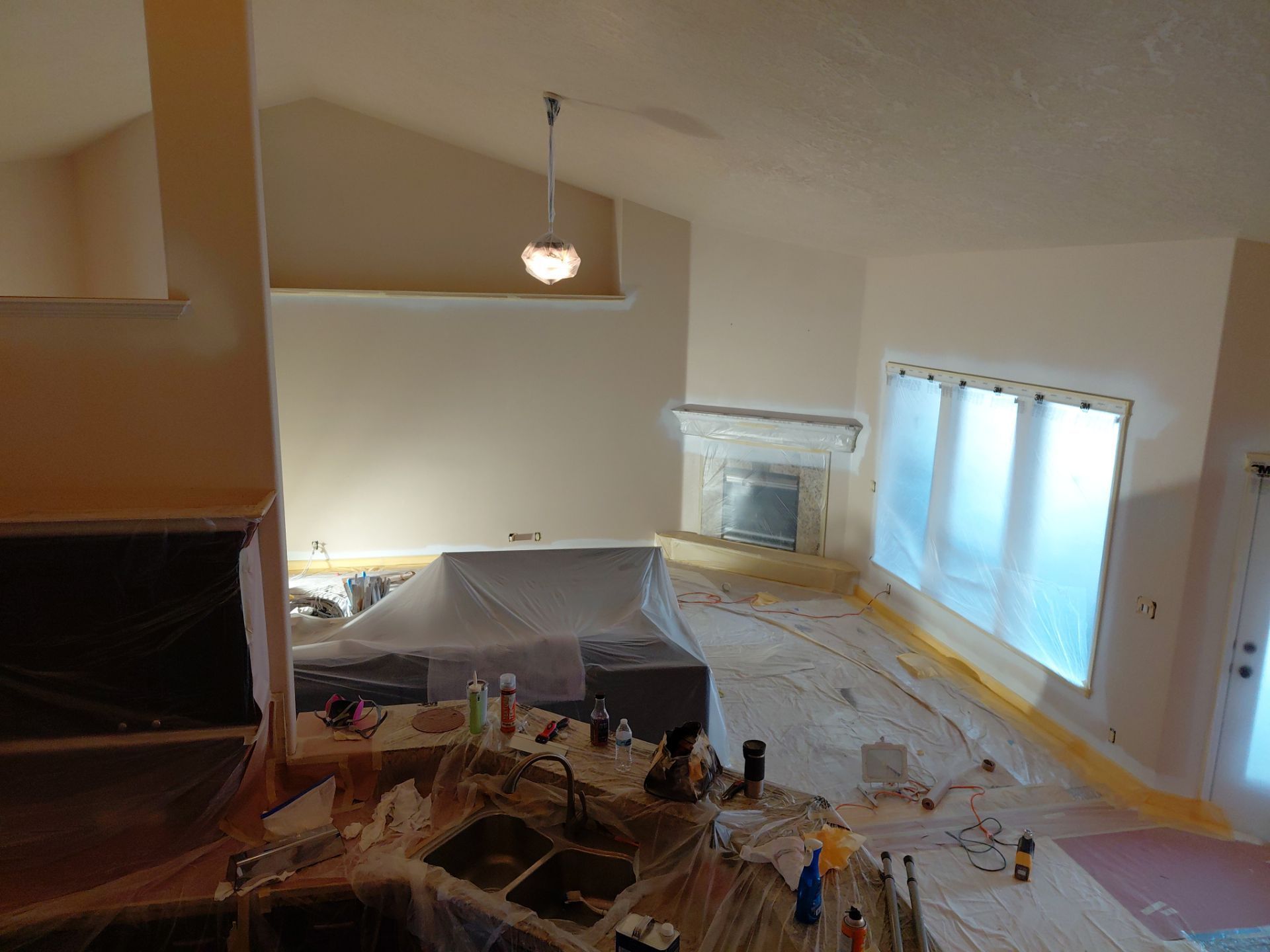
Two rooms of the same size can require very different amounts of prep. A newer bedroom with a few nail holes may only need light patching and sanding. An older hallway, stairwell, or heavily used living room may need more attention because it has more dents, scuffs, cracks, old patches, and trim wear.
Older Boise area homes may also have multiple generations of repairs from previous owners, picture hanging, furniture changes, or past repainting projects. Some walls may need extra smoothing before they are ready for a clean finish.
This is why it is helpful to evaluate the room before assuming the painting timeline or cost. Prep needs can change the scope of the project.
Some Repairs Are Part of Painting, While Others Should Be Handled First
Minor holes, small dents, light patching, and basic surface imperfections are often part of standard interior painting prep. More serious drywall damage, active moisture problems, large recurring cracks, or areas with soft or crumbling drywall may need separate repair before painting begins.
The important thing is setting clear expectations before the project starts. Homeowners should understand what repairs are included, what may cost extra, and what needs to be handled before paint can be applied. That conversation helps avoid surprises and leads to a better finished result.
Better Prep Leads to a Better-Looking Interior Paint Job
The goal is not to make every wall perfect at any cost. The goal is to address the issues that will affect the final appearance and performance of the paint. A few small imperfections may not matter much, but visible cracks, raised patches, nail pops, stains, or rough repairs can distract from the entire room once new paint goes on.
Proper prep helps walls look smoother, reduces visible defects, and makes the investment in new paint more worthwhile. Paint color matters, but preparation is what makes the finished room feel clean and professionally done.
Prepare Your Walls Properly with Spray ’n Coat
Before starting an interior painting project, it is worth understanding what condition your walls are really in. Some rooms may only need light prep, while others may need more detailed patching, sanding, priming, or repair before painting makes sense.
Spray ’n Coat Painting helps homeowners throughout Boise, Nampa, Meridian, and the
Treasure Valley prepare walls properly before repainting. If you are noticing cracks, nail pops, dents, stains, or old drywall patches, request an interior painting estimate to get clear guidance before the project begins.