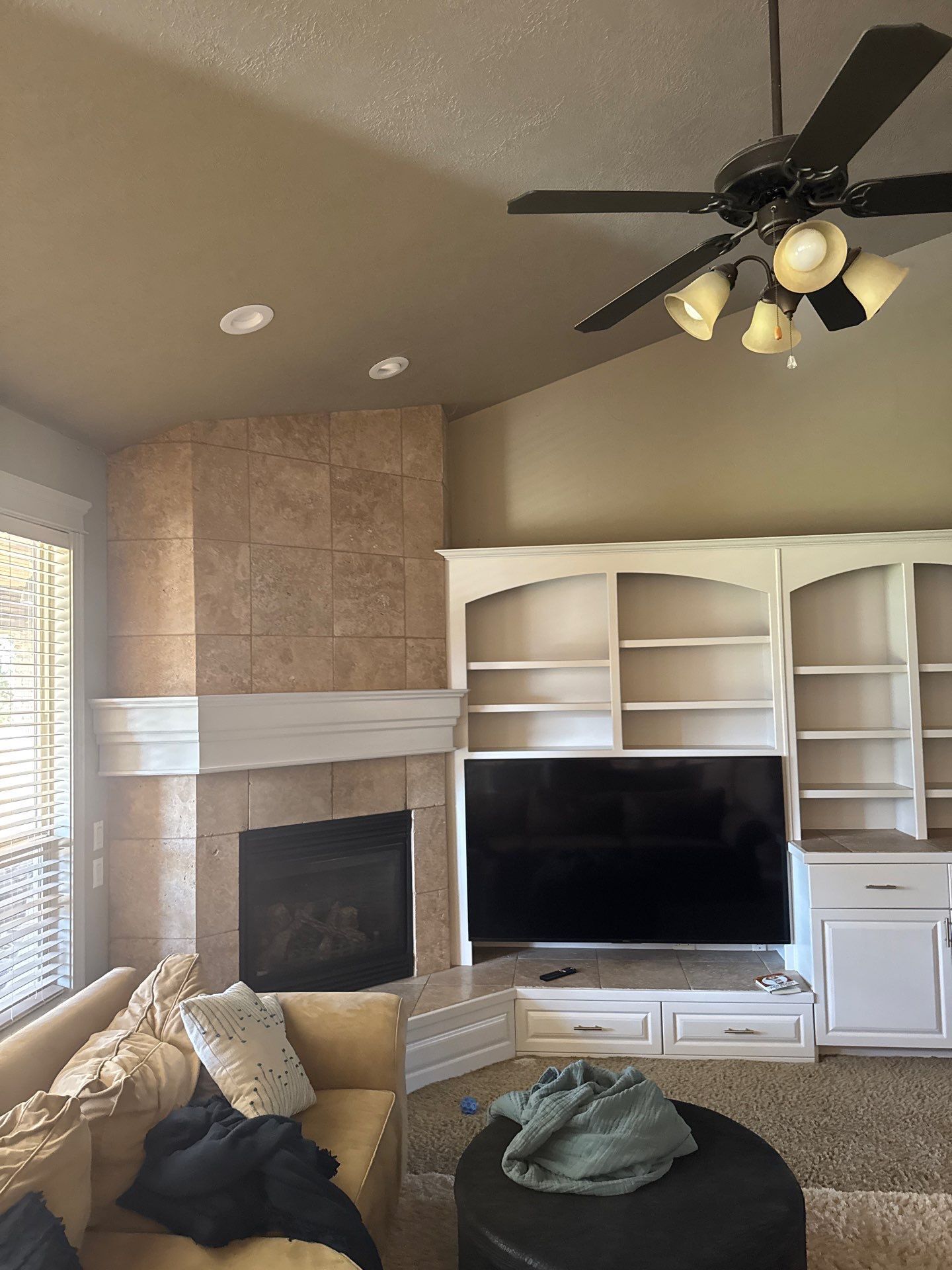
Can You Stay in Your House During an Interior Painting Project?
Last Updated: October 2, 2026
Interior painting can make your home feel cleaner, brighter, and more finished, but it also raises a practical question: can you keep living in the house while the work is being done? This is especially important when several rooms are being painted or when your household includes kids, pets, work-from-home schedules, or limited access to extra space.
In most cases, homeowners can stay in the house during an interior painting project with the right plan. The amount of disruption depends on the size of the project, which rooms are being painted, how the work is scheduled, and how well expectations are communicated before the project begins.
Staying Home Is Usually Possible with the Right Plan
An interior painting project does not automatically mean you need to leave the house. A single bedroom, office, hallway, or living room repaint is usually manageable while the home is occupied. A larger project involving several main living areas, bathrooms, or bedrooms will require more planning.
The key is understanding how the project will affect your daily routine. Painters need space to work, surfaces need time to dry, and certain rooms may be unavailable for part of the day. When the schedule is planned around your household, it is often possible to keep life moving without making the project feel overwhelming.
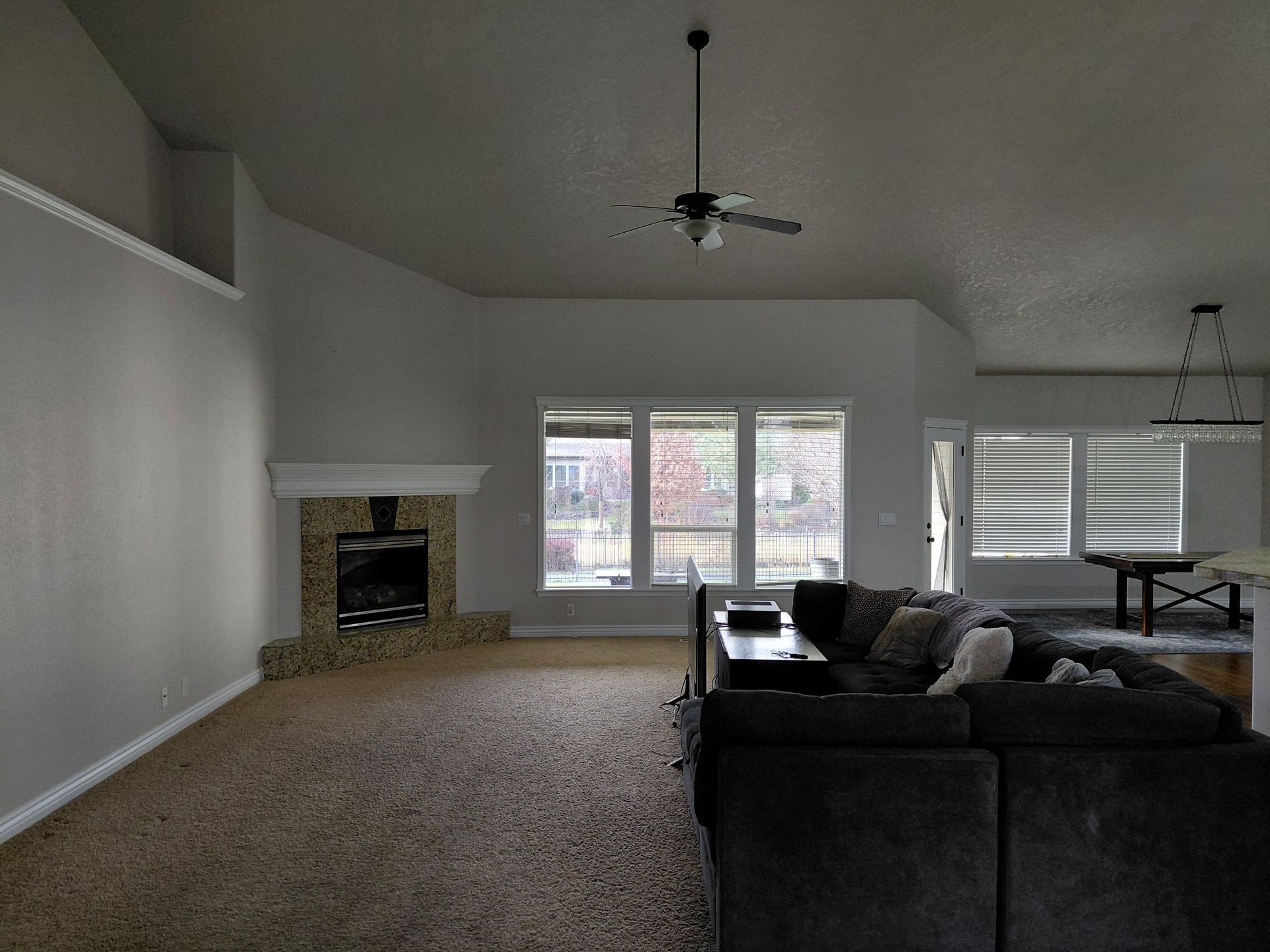
Expect Some Rooms to Be Temporarily Off-Limits
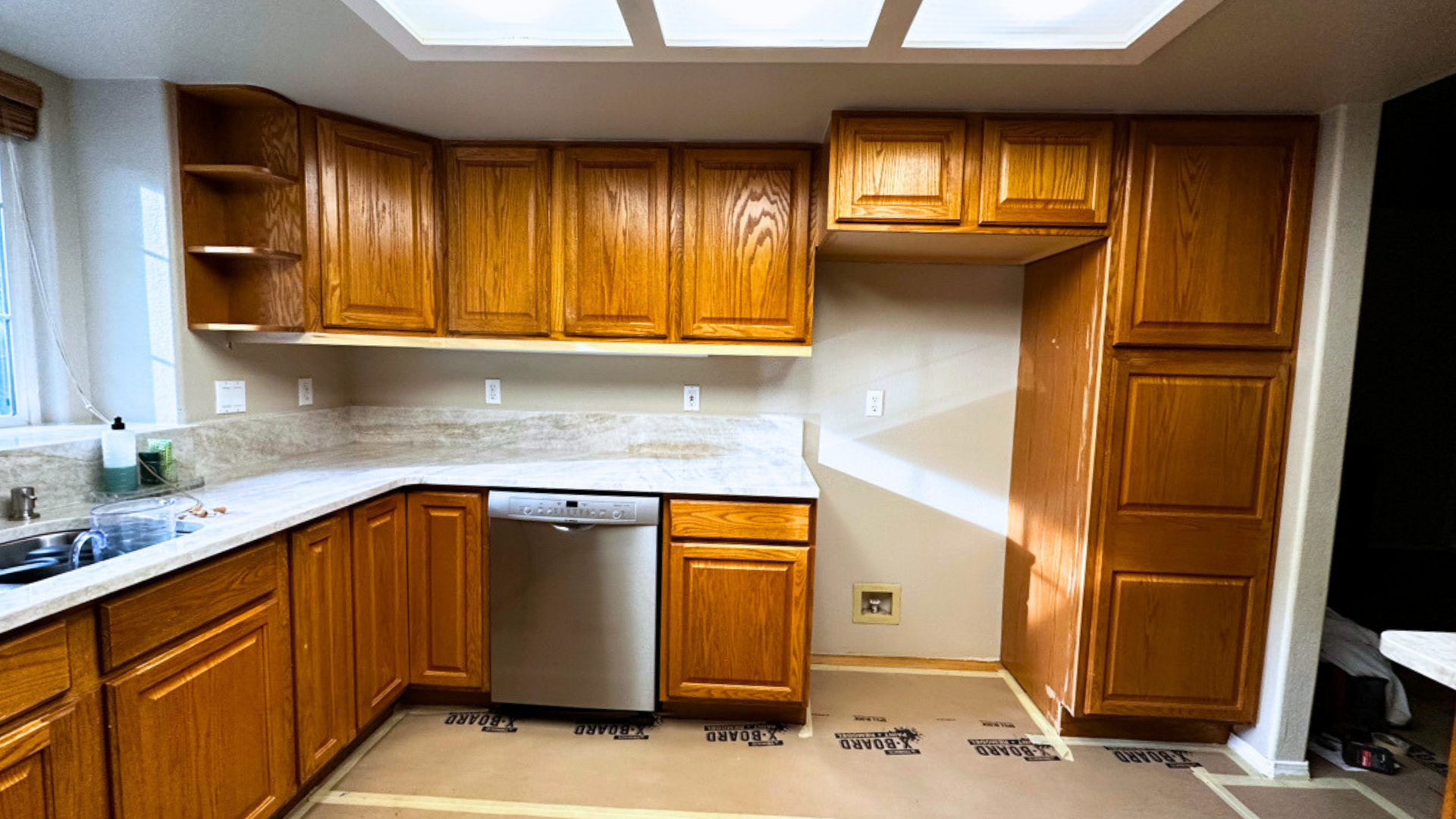
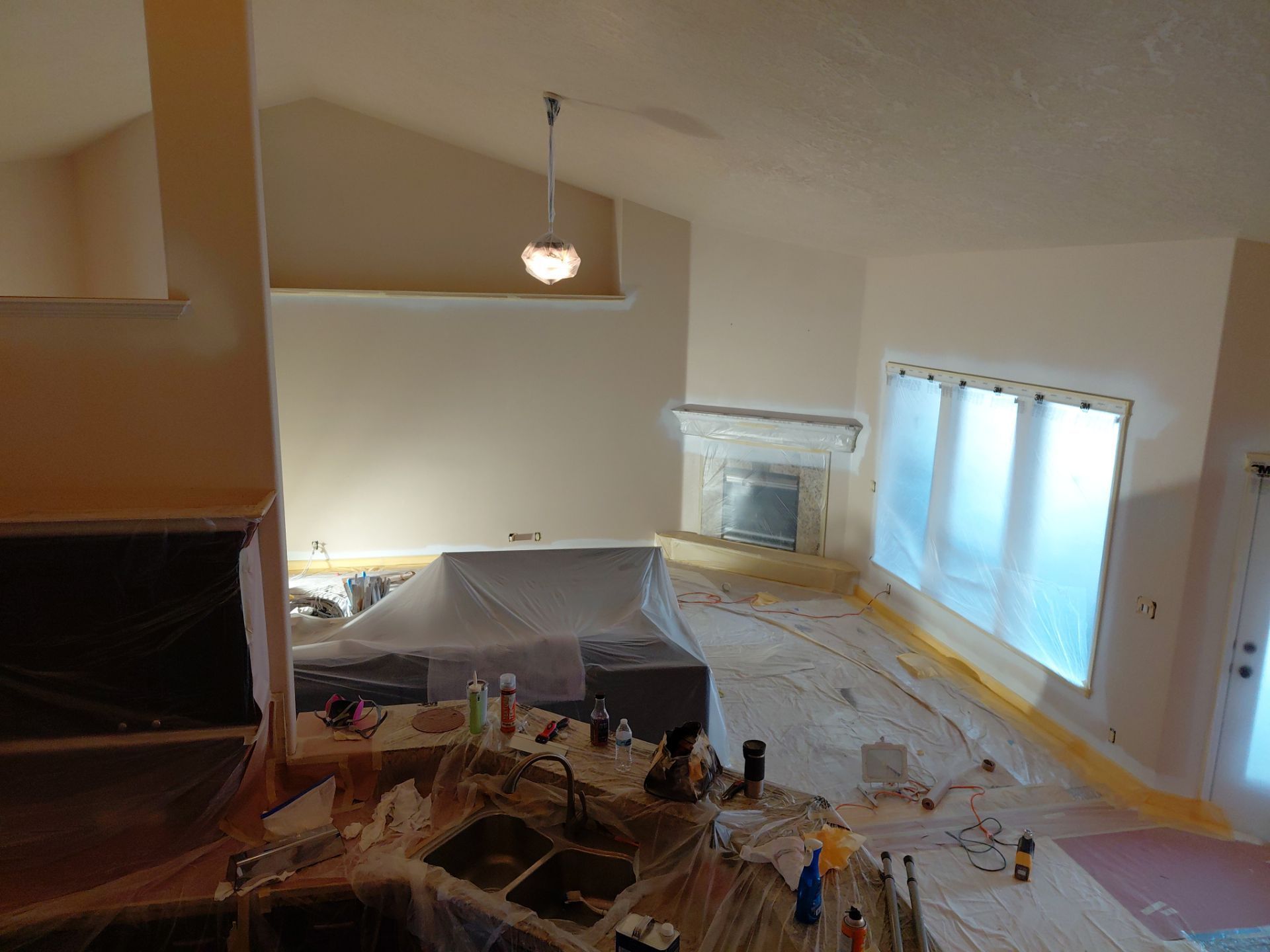
The rooms being painted will not be usable in the normal way during prep, painting, and drying. Furniture may be moved, drop cloths may be placed, walls may be patched or sanded, and wet paint needs time before the space can be used comfortably again.
For larger interior projects, rooms can often be completed in stages. Instead of disrupting the whole house at once, painters may work through specific areas in a planned order. This helps preserve access to bedrooms, bathrooms, living spaces, or other important areas while work continues elsewhere.
Before the project starts, it helps to know which rooms will be worked on each day and when you can expect to use them again.
Furniture Does Not Usually Have to Leave the House
Most furniture does not need to be removed from the home for interior painting. In many cases, larger pieces can be moved away from the walls and covered for protection. Smaller items, fragile belongings, wall decorations, electronics, curtains, and valuables should usually be moved ahead of time.
This preparation helps the project go more smoothly and gives the painting crew better access to walls, trim, ceilings, and corners. If a room is crowded or has large furniture that is difficult to move, it is worth discussing that before the project begins.
A little planning can prevent delays and reduce the risk of damage to personal belongings.
Families with Kids and Pets May Need a Little More Planning
Children and pets can make an active painting area harder to manage safely and efficiently. Wet paint, tools, ladders, drop cloths, open doors, and equipment are all reasons to keep them away from the rooms being worked on.
That does not mean families need to leave the house entirely. It usually means setting up clear boundaries. You may need to use gates, closed doors, temporary room changes, or a pet-safe area away from the work. For young children, it can also help to explain which rooms are off-limits and why.
The goal is to keep everyone safe while allowing the painters enough space to work carefully.
Kitchens and Bathrooms Need Extra Scheduling
Some rooms are harder to give up than others. A guest bedroom or formal dining room may be easy to avoid for a day, but kitchens and bathrooms are part of daily life. These spaces need more careful scheduling because homeowners rely on them throughout the day.
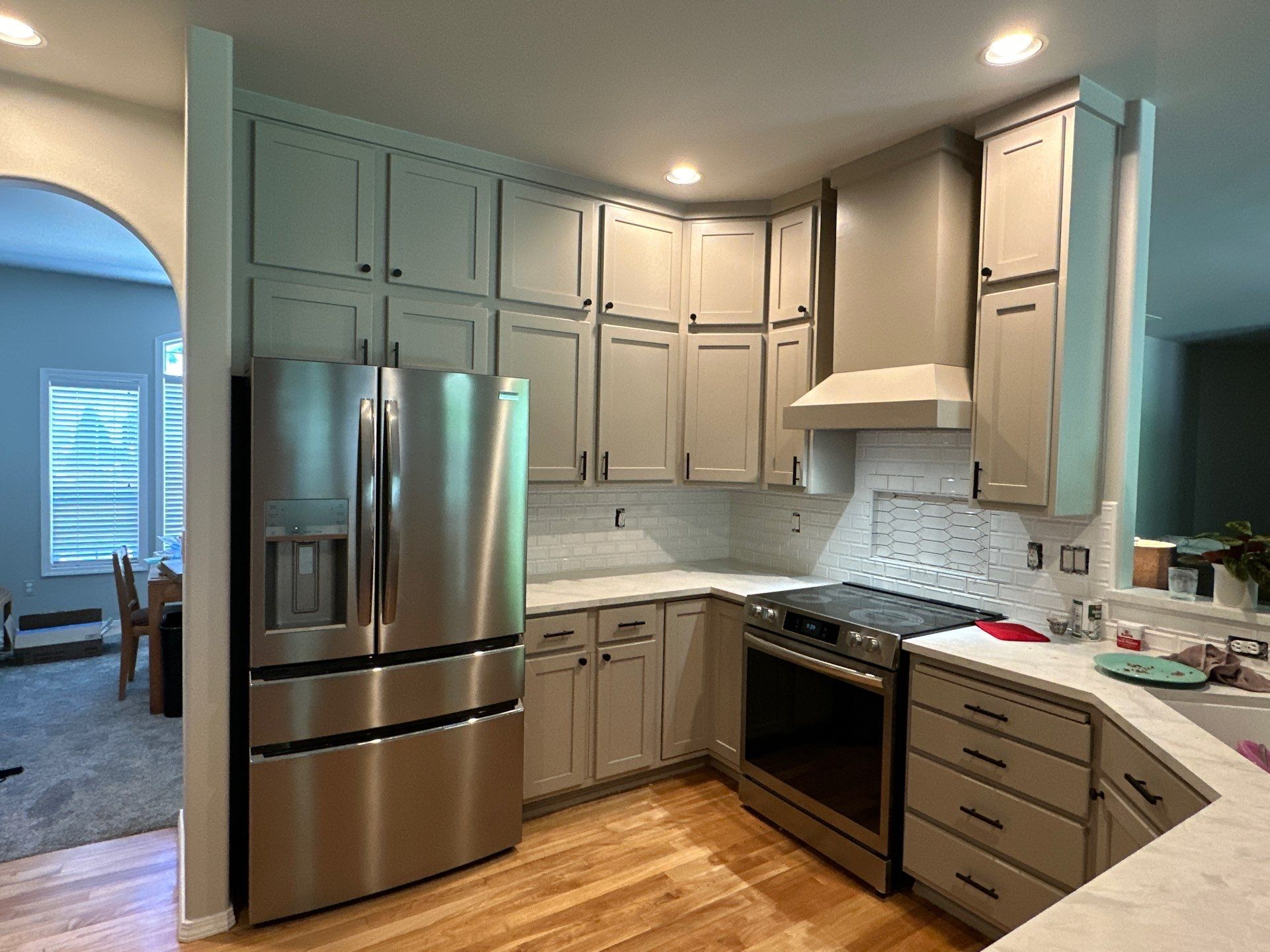
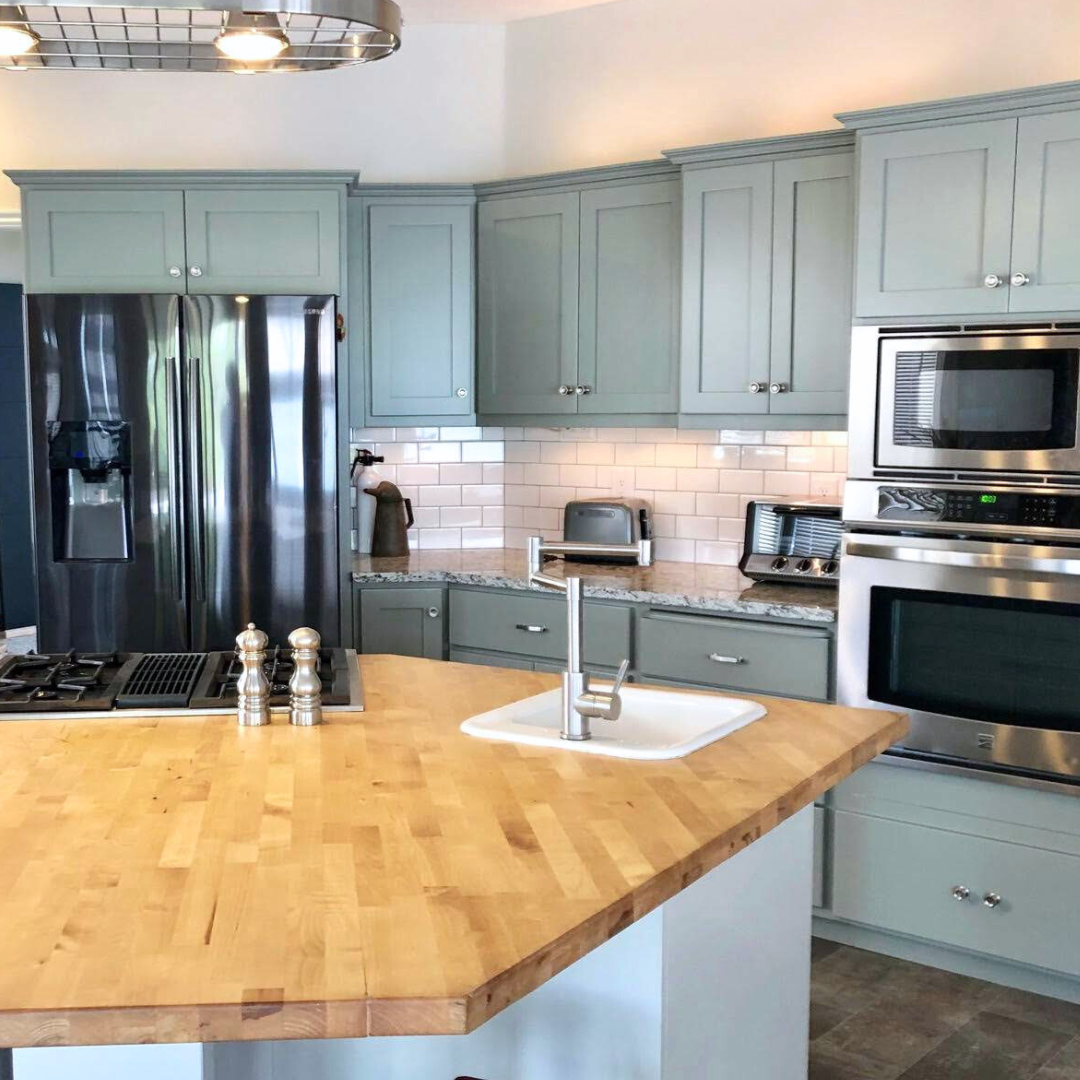
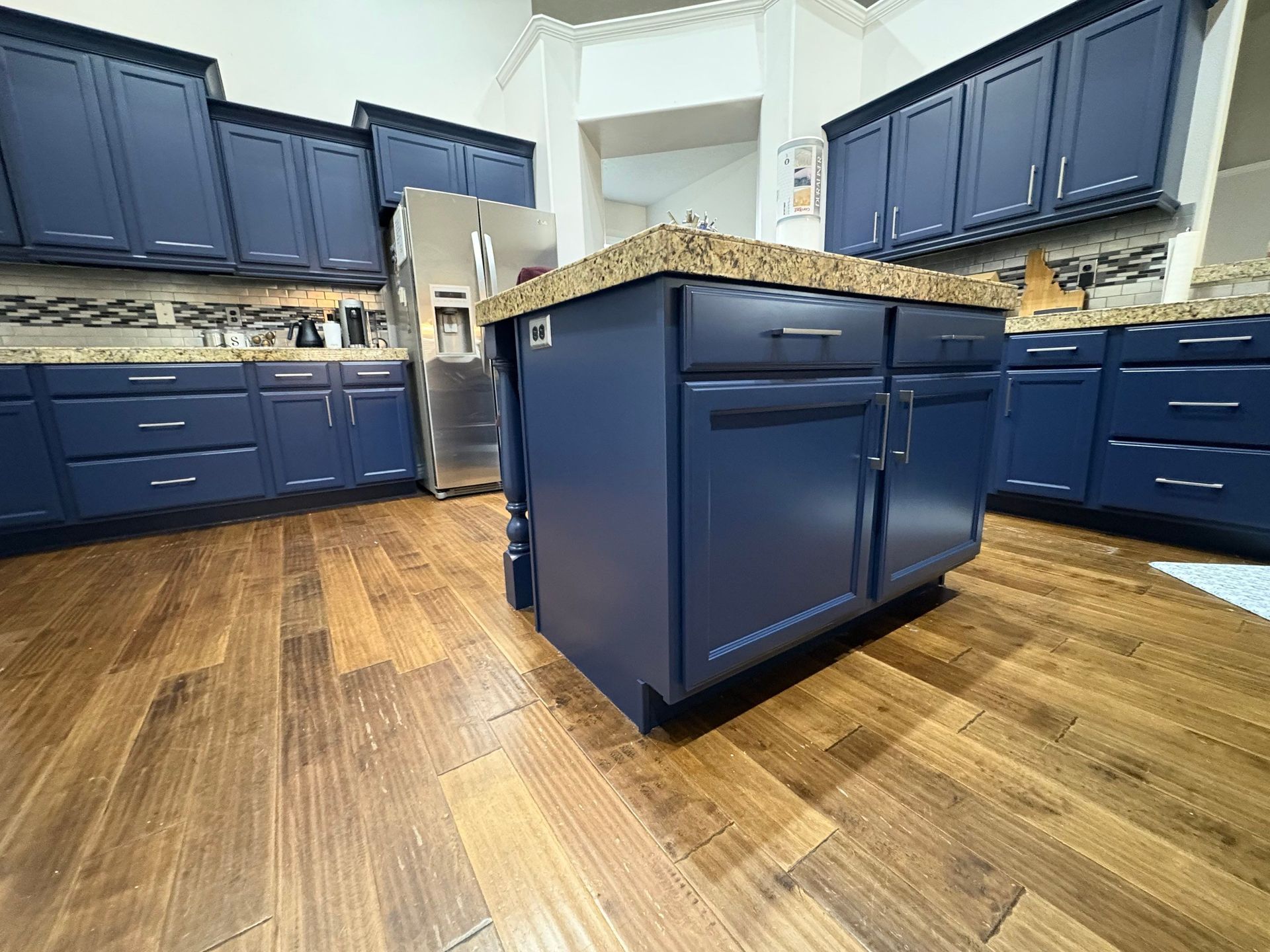
If your kitchen is being painted, you may need to plan around meals, appliances, and access to cabinets or counters. If bathrooms are included, it is important to know whether at least one bathroom will remain usable during the project. These conversations are especially important when multiple rooms are being painted at the same time.
Good scheduling can make a major difference in how easy the project is to live through.
Paint Odor and Ventilation Depend on the Products Being Used
Odor is one of the biggest concerns homeowners have about living in a house while interior painting is underway. How noticeable the smell is depends on the products being used, how many rooms are being painted, how well the space is ventilated, and how sensitive the household is to paint odors.
Many modern interior paints are available in low-VOC options, which can help reduce odor concerns. Even so, ventilation still matters. Opening windows when weather allows, using fans appropriately, and following product recommendations can help the home feel more comfortable during and after painting.
If someone in the home is especially sensitive to odors, has respiratory concerns, or needs a quiet work-from-home setup, that should be discussed before the project starts.
Drying Paint Does Not Mean the Room Is Immediately Back to Normal
Paint may feel dry to the touch before it is ready for normal use. This is an important distinction. A wall can feel dry but still need more time before furniture is pushed back, artwork is rehung, or the surface is touched repeatedly.
Fresh paint also needs time before it is cleaned. Scrubbing or wiping too soon can affect the finish. Painters may recommend waiting before moving furniture tightly against the walls or using the room heavily, especially in high-contact areas like hallways, bedrooms, and living spaces.
Understanding drying and cure time helps prevent accidental damage after the painting is done.
Larger Projects Can Be Completed in Phases
If you are painting several rooms or most of the interior, phasing the project can make it much easier to stay home. Instead of turning the entire house into a work zone, the project can be planned by sections.
For example, a crew may start with bedrooms, then move to hallways, then main living areas, or work in the opposite order depending on your needs. The best interior painting project timeline depends on your household routine, furniture, room access, and which spaces matter most day to day.
This is where planning matters just as much as the painting itself. A well-organized schedule can reduce stress, protect access to essential rooms, and make a larger project feel much more manageable.
Boise Homeowners May Find Interior Painting Easier at Certain Times of Year
Interior painting can be done throughout the year, but weather can affect comfort and ventilation. In the Boise area, mild weather may make it easier to open windows, move between indoor and outdoor spaces, or keep certain rooms aired out during the project.
That said, the best timing depends on your household more than the season alone. Some homeowners prefer interior painting during cooler months when they are spending more time indoors. Others prefer scheduling around vacations, school breaks, or slower work periods.
If you are planning Boise interior painting, it helps to think about both your schedule and the conditions that will make the project easiest to live around.
A Little Preparation Can Make the Project Much Easier
The more you prepare before the painters arrive, the easier the project usually feels. You do not need to handle everything yourself, but small steps can reduce disruption and help the crew work efficiently.
Before interior painting begins, it can help to:
- remove fragile items, valuables, and wall decor
- clear small belongings from furniture and floors
- discuss pets, kids, and rooms that must stay accessible
- identify work-from-home needs or quiet hours
- ask which rooms will be painted each day
- plan meals, bathroom access, and sleeping arrangements if needed
These conversations help set realistic expectations and prevent surprises once the project is underway.
Plan Your Interior Painting Project with Spray ’n Coat
Staying home during an interior painting project is usually possible when the work is planned carefully. The right schedule can help preserve access to important rooms, reduce disruption, protect furniture, and make the project easier for families, pets, and everyday routines.
Spray ’n Coat Painting helps homeowners throughout Boise, Nampa, Meridian, and the Treasure Valley plan interior painting projects around their homes, schedules, and goals. If you are wondering how an interior painting project would work while you stay in the house, request an estimate or consultation to talk through the best plan for your space.