What to Ask Your Commercial Painting Contractor
Last Updated: November 7, 2025
Choosing the right commercial painting contractor is one of the most important steps in maintaining or upgrading your business property. A professional paint job can enhance your brand image, protect your building, and create a positive environment for employees and customers. But not every contractor delivers the same level of skill or reliability. Knowing what to ask before signing a contract ensures your project runs smoothly, stays on budget, and produces lasting results.
Below are the most essential questions to ask when hiring a commercial painter—and why each one matters for your business.
Are You Licensed and Insured?
The very first question should always address credentials and coverage. A licensed contractor has met state and local requirements, showing they’re qualified to perform the work safely and correctly. Insurance—both liability and workers’ compensation—is equally critical. It protects you if any accidents, injuries, or property damage occur during the project.
Without proper coverage, you could be held financially responsible for issues that arise on-site. Always request to see proof of both license and insurance before work begins. Reputable companies will gladly provide documentation and make this process transparent.
What Experience Do You Have with Commercial Projects?
Painting a retail store or an office building isn’t the same as painting a private home. Commercial projects require specialized knowledge, larger crews, and materials designed to withstand heavy use. Ask your contractor how long they’ve been handling commercial properties and what types of businesses they’ve worked with.
Experience in environments similar to yours—restaurants, offices, warehouses, or medical facilities—means they’ll understand your scheduling needs, safety requirements, and coating expectations. A seasoned contractor can also anticipate potential challenges, such as ventilation, surface prep, or foot-traffic management, ensuring the job is completed efficiently and safely.
Which Paints and Coatings Do You Use?
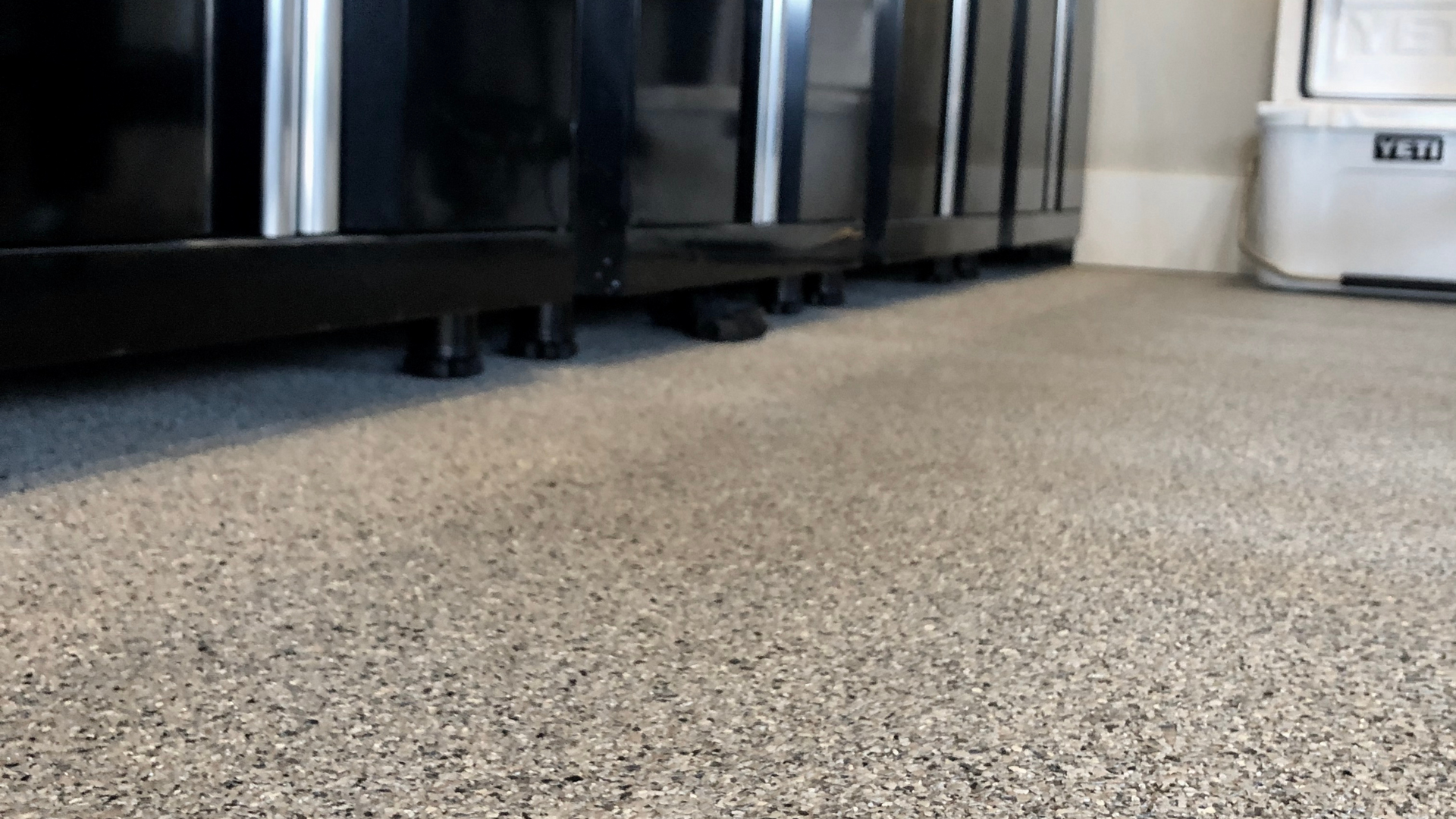
The longevity and performance of your paint job depend heavily on the products used. Commercial painting often requires specialty coatings—like low-VOC paints for indoor air quality, epoxy floor coatings for warehouses, or elastomeric products for weather-exposed exterior painting projects.
Ask which brands or formulations your contractor recommends and why. They should be able to explain the advantages of each product in terms of durability, proper maintenance, and finish quality. High-quality paints may cost more upfront but typically reduce long-term expenses by extending the time between repaints and resisting wear better.
Can You Provide References or Examples of Previous Work?
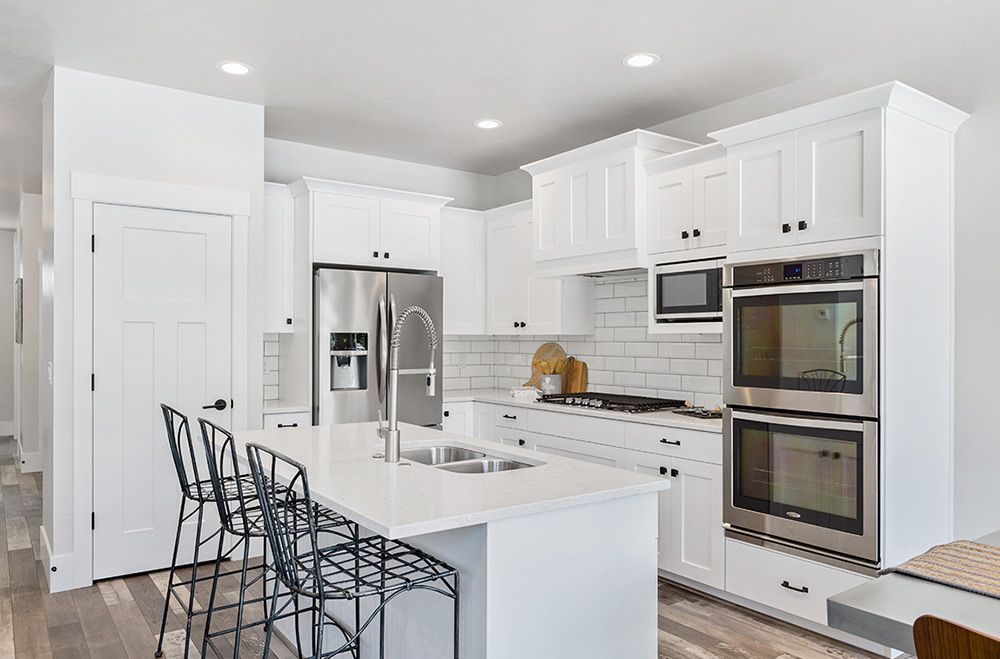
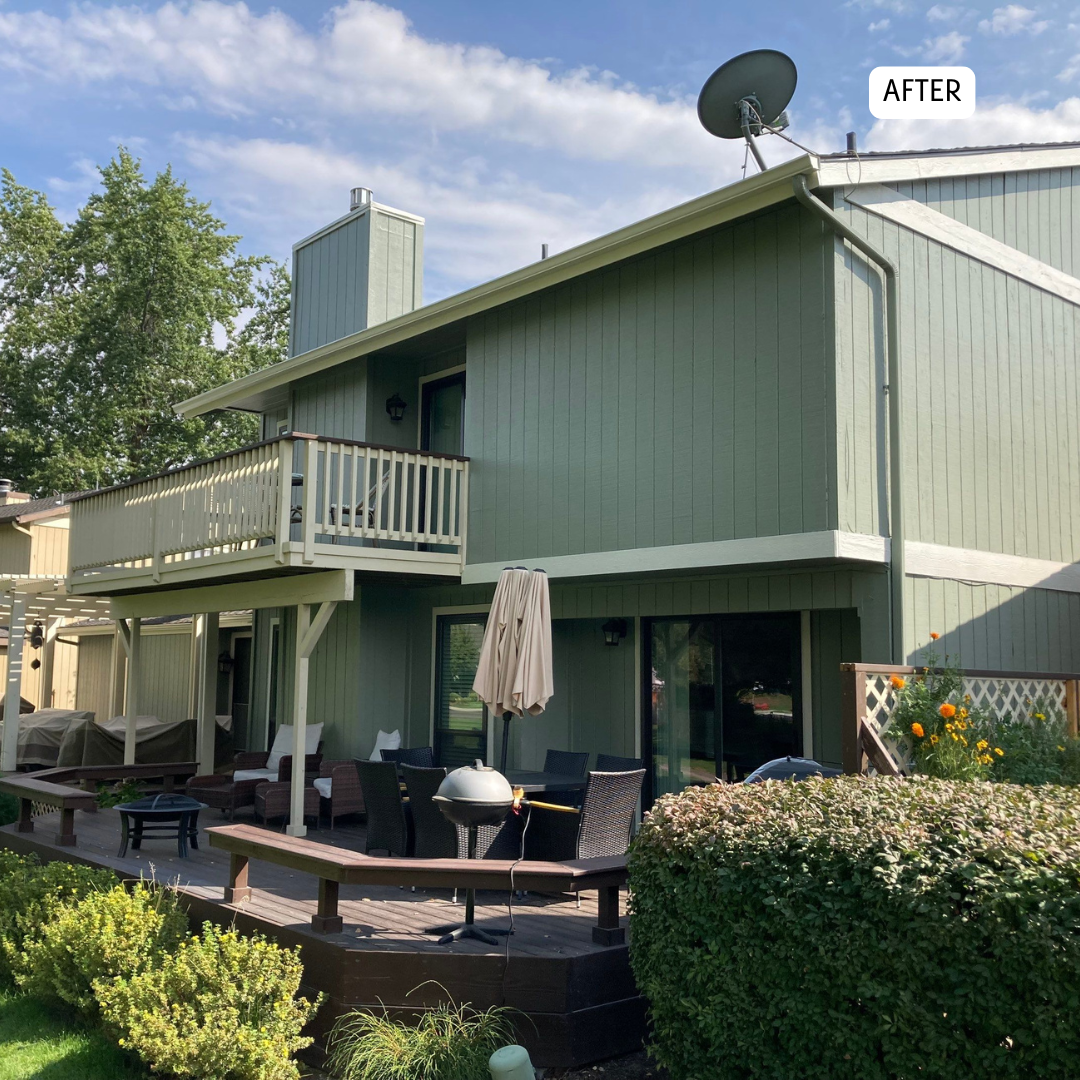
A professional painting contractor should have a portfolio that demonstrates consistent quality and professionalism. Ask for before-and-after photos, testimonials, or local references you can contact.
When speaking with references, inquire about punctuality, cleanliness, communication, and whether the project was completed on time. A quick conversation with another business owner can reveal a lot about how the contractor operates day to day. Seeing completed work in person, if possible, is even better—it allows you to judge the finish, color consistency, and attention to detail.
How Will You Manage Scheduling and Minimize Disruption?
For most businesses, downtime is costly. The best commercial painters understand this and will plan their work around your hours of operation. Ask how they schedule large projects and whether they can work after hours, on weekends, or in phases to keep sections of your building open.
A detailed schedule should outline preparation, interior painting, and cleanup stages, ensuring clear expectations for each phase. Reliable contractors will also maintain open communication in case of weather delays or unexpected issues. The goal is to complete the project with minimal disruption to employees, customers, or daily operations.
What’s Included in the Estimate?
Before you agree to any project, ask for a written, detailed estimate. It should include labor, materials, surface preparation, number of coats, and any additional services like cleanup or touch-ups.
Vague or one-line quotes can lead to confusion and surprise costs later. A professional contractor will explain every line item clearly and walk you through their process. Transparency is key—if something isn’t listed, it may not be included. Comparing detailed estimates also helps you see which companies are providing real value versus cutting corners.
How Do You Prepare Surfaces Before Painting?
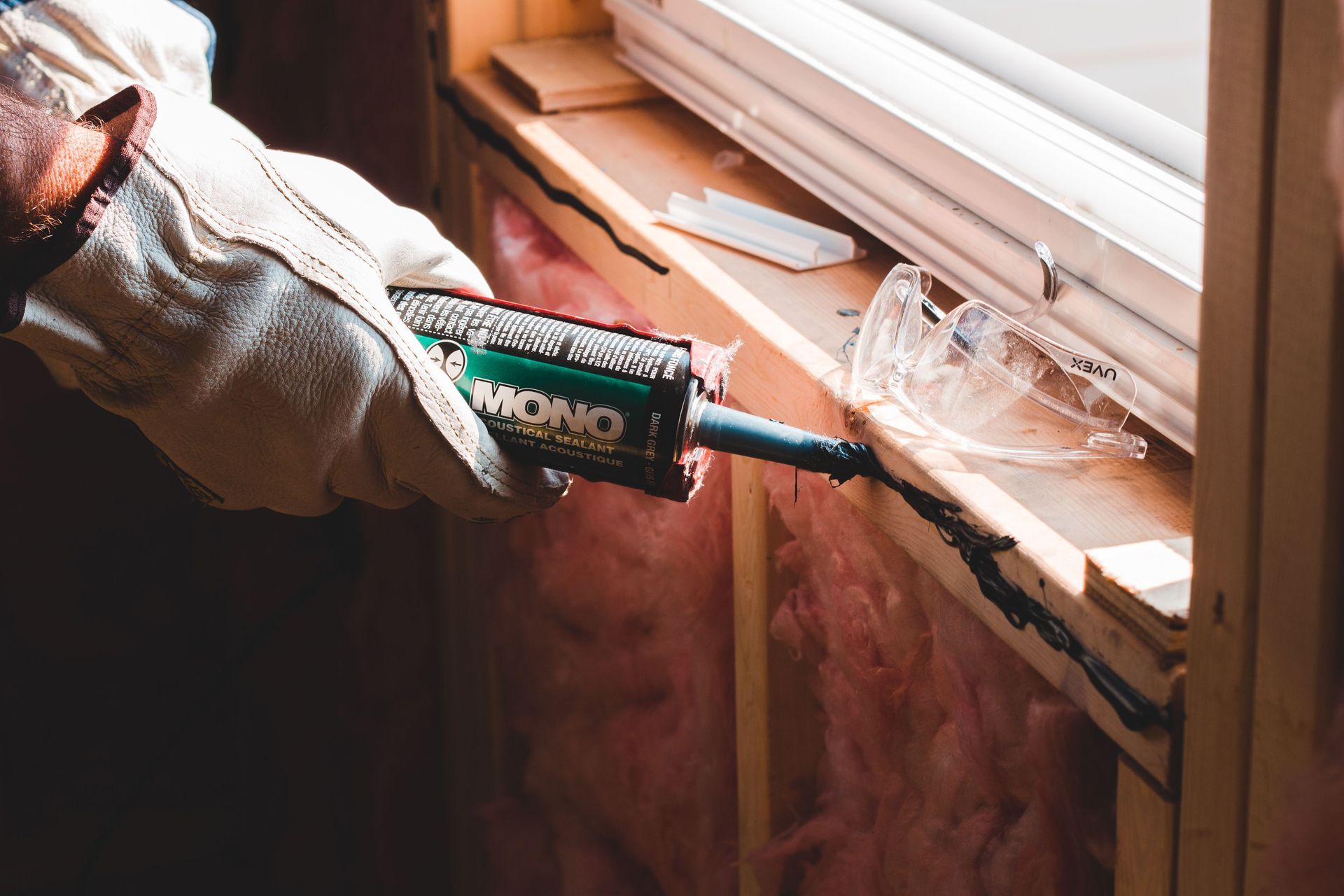
A long-lasting paint job begins long before the first coat is applied. Ask the contractor to describe their surface preparation process in detail. Proper prep often includes cleaning, sanding, scraping, patching, caulking, and priming surfaces.
Skipping these steps can lead to peeling, bubbling, or fading within months. Quality prep work ensures the paint adheres properly and maintains its color and finish for years. For commercial buildings exposed to Boise’s varying weather conditions, proper priming and sealing are especially important for long-term protection.
Do You Offer a Warranty or Guarantee?
A trustworthy contractor stands behind their work. Ask what type of warranty or service guarantee they provide for both materials and labor.
A solid warranty shows confidence in workmanship and provides peace of mind for property owners. If issues like premature peeling, cracking, or fading occur, a reputable painter will inspect and address them promptly. Understanding warranty terms up front helps avoid disputes later and ensures ongoing accountability once the job is complete.
How Do You Handle Safety and Compliance?
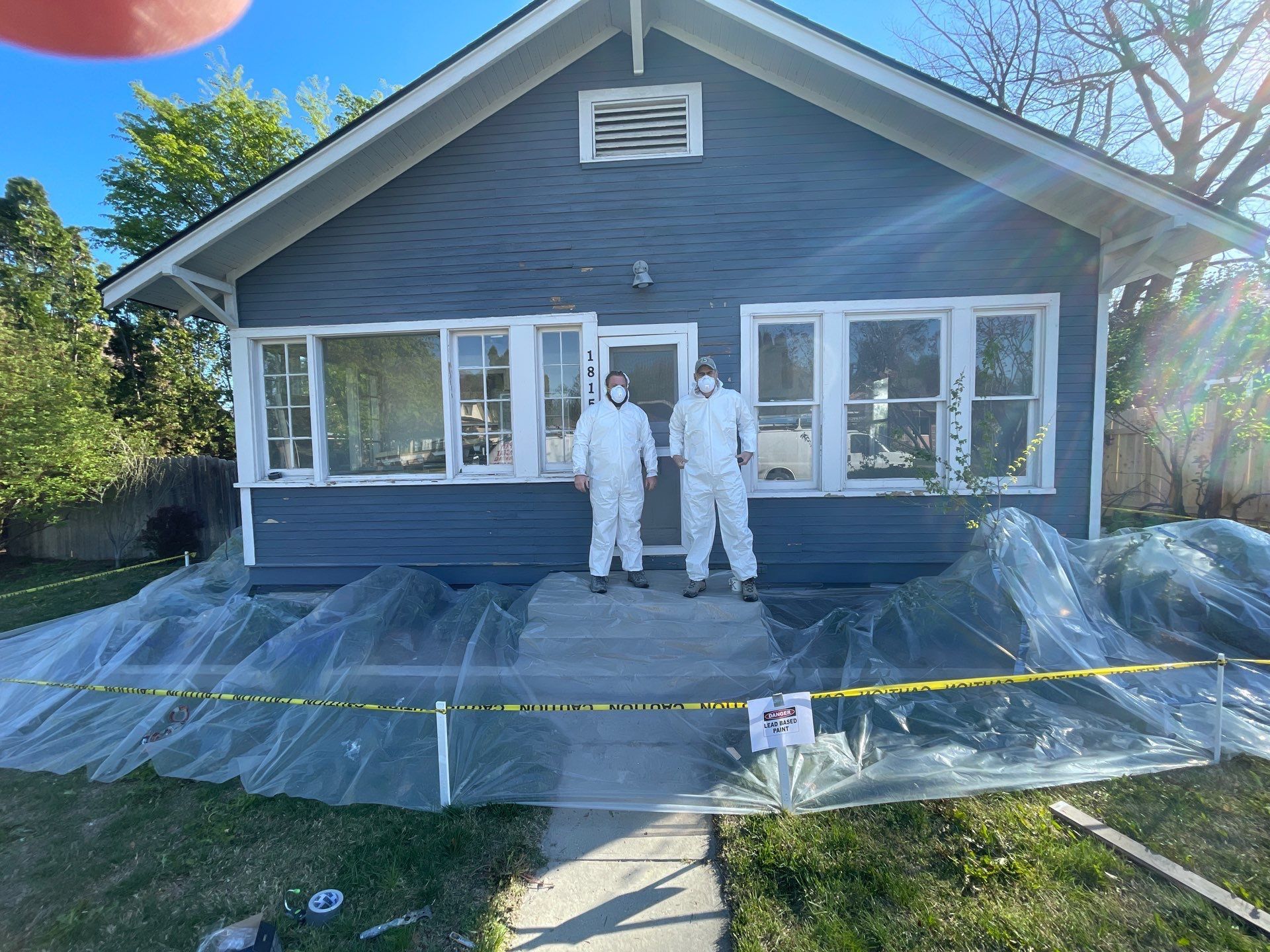
Commercial painting often involves working at heights, around electrical systems, or in occupied spaces. That’s why it’s important to ask about safety practices and compliance with OSHA and local regulations.
Your contractor should train all team members on ladder safety, equipment handling, and protective gear. They should also secure the job site to keep employees and customers safe. Clean, organized work areas and well-maintained equipment are signs of a company that values professionalism as much as precision.
Preparing for a Successful Project
Once you’ve chosen a contractor, take time to discuss logistics before painting begins. Clarify access to the property, start and completion dates, and how cleanup will be handled. Good communication prevents delays and ensures expectations are aligned from day one.
You can also ask about color and finish recommendations suited to your business type. For instance, satin or semi-gloss finishes are easier to clean in high-traffic areas, while matte finishes reduce glare in large offices or conference rooms. Professionals can help you select products that balance aesthetic appeal with practicality.
Partner with Boise’s Trusted Commercial Painters
A successful commercial paint job begins with the right questions—and the right contractor to answer them. Whether you’re repainting an office, retail space, or industrial facility, you deserve reliable service, expert application, and minimal downtime.
Contact Spray ’n Coat Painting today for a free consultation and detailed project estimate. Our experienced Boise commercial painting
team delivers precision, safety, and quality from start to finish—helping your business stand out and stay protected year after year.