Why Garage Floor Coatings Fail in Idaho Homes (And How Professionals Prevent It)

January 7, 2026

Many homeowners invest in a garage floor coating expecting a durable, low-maintenance surface. Instead, they end up dealing with peeling, bubbling, or flaking far sooner than expected. That experience often leads people to believe garage floor coatings just do not work in Idaho.


The truth is simpler. Most garage floor coating failures are caused by moisture, temperature, or improper installation, not the coating itself. This article explains why these failures happen so often in Idaho homes and how professionals prevent them before the coating ever goes down.


Why Garage Floor Coating Failures Are So Common

Garage floor coatings fail more often than homeowners expect, especially in climates like Idaho. Garages are exposed to harsher conditions than most interior spaces, yet they are often treated as simple, low-risk projects.


Concrete is porous, garages are partially exposed to outdoor air, and vehicles bring in moisture and contaminants year-round. When these factors are ignored during installation, the coating may look fine at first and then fail months or a few seasons later.


In almost every case, the failure traces back to environmental conditions and shortcuts taken during preparation, not the coating material itself.


Idaho-Specific Conditions That Cause Floor Coating Failure

Idaho garages face unique challenges that must be addressed before installation. Climate and concrete behavior play a major role in long-term performance.


Concrete Moisture Vapor Emission


Concrete constantly releases moisture vapor from below the slab. In Idaho, this is common due to soil moisture, snowmelt, irrigation, and seasonal groundwater changes.


When moisture is trapped beneath a coating, it leads to:

  • Bubbling or blistering
  • Delamination between layers
  • Peeling months after installation

These issues often appear long after the job is done, which makes them frustrating and expensive to fix.


Freeze–Thaw Cycles and Temperature Swings

Idaho’s temperature swings put constant stress on concrete slabs. As the slab expands and contracts, coatings must stay bonded and flexible enough to move with it.


When coatings are installed under the wrong temperature conditions or without proper surface bonding, failure often shows up:

  • After the first winter
  • Along cracks or edges
  • In high-traffic tire areas

Temperature control during installation is not optional in Idaho. It is essential.


The Role of Surface Contamination

Garage floors rarely start clean, even when they look that way. Oil, fuel residue, tire plasticizers, and household chemicals soak into the concrete over time.


Winter makes this worse. Snowmelt, road salt, and de-icing products are tracked into garages for months, increasing contamination and moisture exposure. If these residues are not fully removed, coatings bond to contaminants instead of solid concrete, leading to early failure.


Improper Preparation Is the #1 Cause of Failure

Preparation is the most common reason garage floor coatings fail. Not the product. Not the brand. The prep.


Common shortcuts that lead to failure include:

  • Skipping mechanical grinding
  • Failing to test for moisture
  • Coating over cracks or weak concrete

Acid etching or light cleaning is not enough for Idaho conditions. Professional preparation mechanically opens the concrete surface so the coating can bond deeply and consistently. Without that step, failure is only a matter of time.


Why DIY and Low-Cost Installs Fail More Often

DIY epoxy kits and low-bid installations fail at much higher rates because they are built for convenience, not durability. Most store-bought kits are designed for ideal conditions and lack proper primers, moisture tolerance, and flexibility.


Low-cost contractors often cut corners to keep prices down. That usually means rushed prep, no moisture testing, and minimal environmental control. The floor may look good initially, but it is not built to survive Idaho’s climate long term.


How Professionals Prevent Garage Floor Coating Failure

Professional installers approach garage floors as systems, not surface treatments. The goal is to identify risks before coating begins and eliminate them.


Moisture Testing and Surface Profiling

Professionals start by testing the slab for moisture vapor emission. This determines whether special primers or mitigation steps are needed.


Mechanical grinding then removes contamination and creates the surface profile required for strong adhesion. It is time-consuming and messy, but it is one of the most important steps in preventing failure.


Climate-Appropriate Products and Application

Professional-grade coatings are chosen based on:

  • Temperature conditions
  • Humidity levels
  • Garage usage and traffic

Application timing and curing conditions are carefully controlled to prevent weak bonding or premature curing. This level of control is not achievable with most DIY approaches and is a major reason professional installs last longer.


What a Properly Installed Garage Floor Should Look Like Years Later

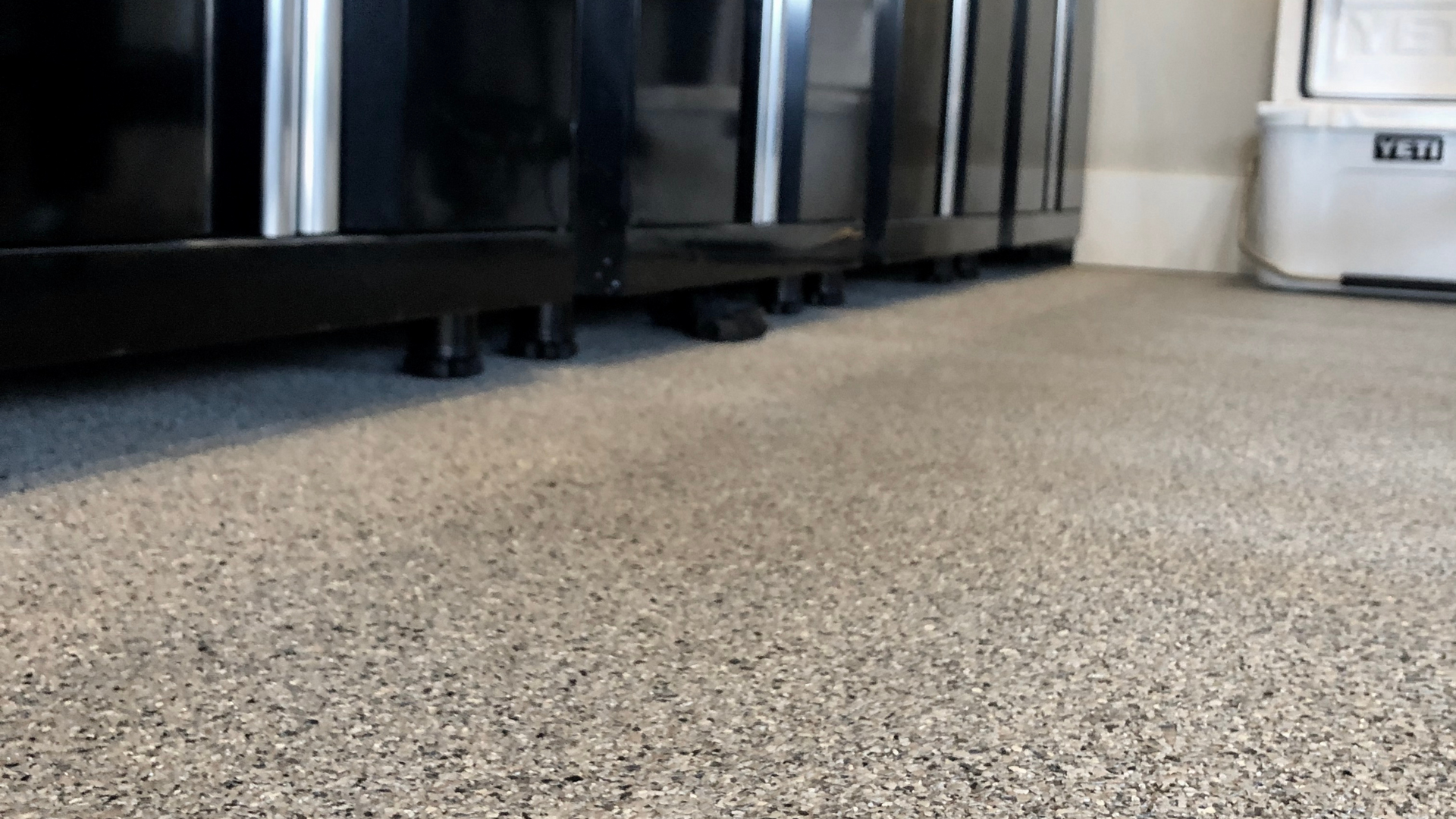
A professionally installed garage floor coating should remain bonded and intact after multiple Idaho winters. Peeling, bubbling, and hot-tire pickup should not occur.


The surface should stay easy to clean, visually consistent, and structurally sound. Some wear over time is normal, but widespread failure is not when the job is done correctly.


Why Idaho Homeowners Trust Spray ’n Coat for Garage Floors

Spray ’n Coat Painting is trusted by Idaho homeowners because we focus on prevention, not patchwork fixes. Our team understands how local conditions affect concrete and evaluates every garage before recommending a coating system.


From moisture testing and mechanical preparation to climate-appropriate materials, our process is built for long-term performance. We have seen why coatings fail in Idaho homes, and we design every installation to avoid those problems from the start.


For homeowners who want a garage floor that actually holds up, experience and process matter just as much as the coating itself.
January 14, 2026
How long do garage floor coatings really last in Boise? Learn realistic lifespan ranges, what affects durability, and when coatings are worth it.
By Aaron Cote December 30, 2025
Wondering how often to repaint your home? Learn how Boise homeowners can protect, refresh, and maintain property value with expert painting tips.
By Aaron Cote December 22, 2025
When most people think of paint, they picture color and style. But in the world of industrial painting , coatings do much more than decorate—they protect . Industrial coatings are specialized finishes engineered to shield surfaces from moisture, corrosion, chemicals, and everyday wear. From warehouses and factories to parking garages and commercial floors, these coatings create durable, functional surfaces that stand the test of time. If you own or manage a business property in Boise, understanding what industrial coatings are —and when to use them—can save you thousands in maintenance and repair costs. The Purpose of Industrial Coatings Unlike regular paint, which focuses on appearance, industrial coatings are performance-driven. They’re formulated to protect concrete, metal, and other building materials in demanding environments. These coatings create a tough, protective film that resists impact, abrasion, chemicals, and weather. In essence, industrial coatings are your property’s first line of defense. They prevent rust on metal beams, seal moisture out of concrete floors , and extend the lifespan of surfaces that endure heavy use. Whether used on warehouse floors, machinery, or exterior walls, they deliver both function and longevity . Common Types of Industrial Coatings Different coatings serve different purposes. Here are some of the most widely used types in Boise commercial and industrial spaces: Epoxy Coatings: Known for strength and adhesion, epoxy coatings are ideal for concrete floors, garages, and warehouses. They resist chemicals, oils, and abrasions while providing a smooth, easy-to-clean surface. Polyurethane Coatings: Flexible and UV-resistant, polyurethane coatings are often applied over epoxy for added protection. They work well for exteriors exposed to sunlight and temperature changes. Acrylic Coatings: Acrylics are fast-drying and suitable for both interior painting and exterior applications . They’re often used where aesthetic appeal and moderate protection are both desired. Zinc-Rich Coatings: Used primarily on steel and metal structures, these coatings provide superior corrosion resistance. The zinc acts as a sacrificial barrier, protecting the metal underneath. Elastomeric Coatings: Perfect for roofs, walls, and stucco surfaces, elastomeric coatings stretch and contract with the material underneath, sealing out moisture while maintaining flexibility. Each coating type serves a specific need, and professional painters choose products based on the surface, exposure, and environment. Key Benefits of Industrial Coatings Industrial coatings offer a long list of benefits beyond aesthetics. For Boise business owners, the investment pays off through better protection, lower maintenance, and improved safety. Durability: Coatings create a hard, resilient layer that withstands heavy machinery, traffic, and cleaning. Corrosion Resistance: Metal structures are especially vulnerable to rust and oxidation. Coatings form a barrier against water and oxygen, extending their lifespan. Chemical Protection: Industrial facilities that use solvents, oils, or acids rely on coatings to prevent surface damage and contamination. Easy Maintenance: Coated surfaces are easier to clean and maintain. Dust, dirt, and spills can be wiped away without damaging the finish. Safety and Compliance: Many coatings improve traction, reduce slip hazards, and meet OSHA safety standards—critical for warehouses and production areas. Cost Efficiency: By extending the life of existing structures and surfaces, industrial coatings reduce repair and replacement costs over time. Where Industrial Coatings Are Used Industrial coatings are found everywhere—from large commercial buildings to small workshops. Here are some of the most common applications around Boise: Warehouses and Distribution Centers: Floor coatings protect against forklifts, pallet jacks, and constant movement. Manufacturing Facilities: Coatings safeguard machinery, tanks, and production areas from chemicals and abrasion. Parking Garages: Concrete sealers and waterproof coatings prevent cracks, stains, and salt damage. Retail and Office Buildings: Exterior coatings preserve appearance and protect against weather. Healthcare and Food Service: Hygienic, nonporous coatings maintain cleanliness and meet strict sanitation standards. Agricultural and Industrial Equipment: Protective coatings prevent rust and wear on exposed metal surfaces. Wherever durability and cleanliness matter, industrial coatings deliver. Industrial Coatings vs. Regular Paint While industrial coatings and standard paint may look similar on the surface, their composition and performance are very different.
By Aaron Cote December 18, 2025
Learn how to choose the perfect paint finish for your Boise home. Discover how sheen affects style, durability, and maintenance from Spray ’n Coat Painting experts.
December 17, 2025
Yes, epoxy garage floors can be installed in winter. Learn how Spray ’n Coat controls temperature, prep, and curing for cold-weather success.
December 17, 2025
Find out if a new paint job really increases home value. Learn how interior and exterior painting can improve ROI and buyer appeal for Boise homes.
December 17, 2025
Choosing a Boise painting company? These 8 expert tips help you compare painters, avoid costly mistakes, and hire a team you can trust.
December 12, 2025
Learn what epoxy garage floor coatings actually solve in Idaho’s climate and when they’re worth the investment for Boise-area homeowners.
December 12, 2025
Learn why epoxy floors peel and how proper prep and moisture control prevent failures. Spray ’n Coat Painting outlines what to avoid for long-lasting results.
By Aaron Cote December 10, 2025
Discover the top trending interior paint colors transforming Boise homes. Learn how to refresh your space with expert color inspiration from Spray ’n Coat Painting.
More Posts