Common Siding Problems Boise Homeowners Should Fix Early
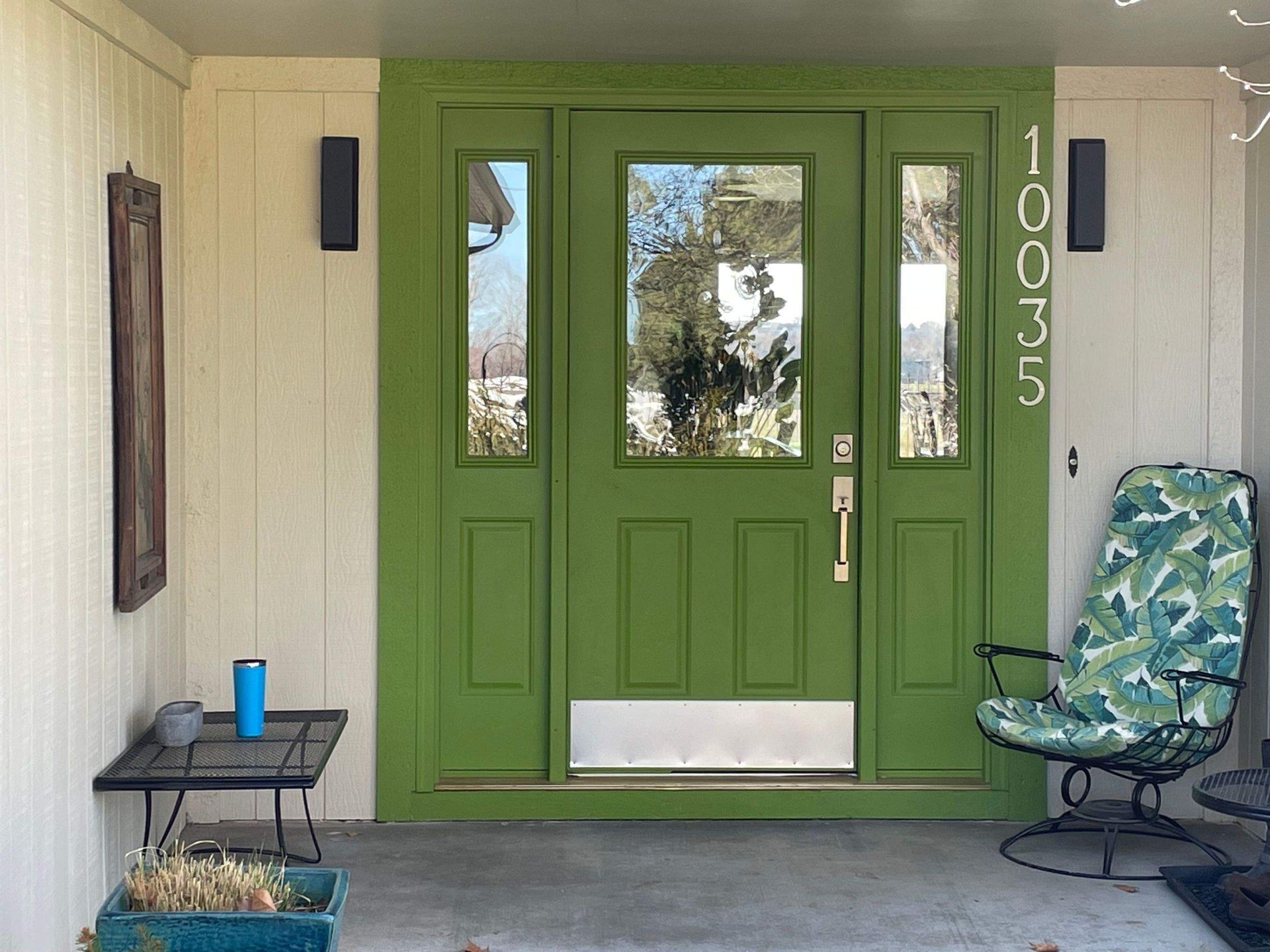
Front doors often start showing wear long before homeowners are ready to invest in a full replacement. Fading, peeling finish, scratches, and weathered wood can make the entry look tired, even when the door itself still opens, closes, and functions the way it should.
In many cases, refinishing is a smart option when the door is still structurally sound, while replacement may be the better choice when there is major damage, warping, rot, or long-term failure. The right decision depends on the door’s condition, your budget, the look you want, and whether the issue is mostly cosmetic or structural.
Why Homeowners Often Consider Replacement Too Quickly
When a front door looks worn, it is easy to assume replacement is the only real solution. A faded finish, peeling stain, or scratched surface can make the whole entry feel older than it actually is. Since the front door is one of the first things people notice, even cosmetic wear can feel like a bigger problem than it is.
But appearance problems and structural problems are not always the same thing. A door can look rough on the surface while still being a strong candidate for refinishing. Before replacing the entire door system, it helps to look closely at whether the material is still solid, whether the door functions properly, and whether the damage is limited to the finish.
When Refinishing the Front Door Can Be a Smart Option
Front door refinishing can be a practical choice when the door is still in good shape but no longer looks its best. This is especially true for wood doors that have lost their original richness, color, or protective finish due to sun exposure and age.
Refinishing can restore the appearance of the door without the cost and disruption of full replacement. The process can also help protect the surface going forward, especially when the door is properly cleaned, sanded, stained or painted, and sealed. If the door still fits well, feels solid, and has no major structural issues, refinishing may be the better first option.
Surface Wear and Fading
Sun exposure, weather, and age can slowly wear down the finish on a front door. Over time, stain may fade, clear coats may break down, and the surface may start to look dry or uneven. This kind of wear can make the door look neglected even when the material underneath is still usable.
In these cases, refinishing can often bring the door back to life. A fresh finish can restore color, improve protection, and make the entry feel more cared for without changing the door itself.
Scratches, Peeling, and Minor Cosmetic Damage
Small scratches, peeling finish, and minor surface damage often make a door look worse than it really is. These issues may be noticeable from the curb or entryway, but they do not always mean the door needs to be replaced.
If the damage is mostly on the surface, refinishing may be enough to correct the appearance. Proper prep is important here. The old failing finish needs to be addressed before a new finish can look smooth and hold up well.
Curb Appeal That Feels Dated
Sometimes the door is not damaged as much as it is outdated. The color may no longer fit the home, or the finish may look dull compared to the rest of the exterior. Since the front door plays such a big role in curb appeal, even a small update can change the feel of the home.
Refinishing can help modernize the entry without replacing the entire door. For homeowners who want a fresher look but still like the style and function of their current door, this can be a smart middle-ground option.
When Replacement May Be the Better Long-Term Choice
Refinishing can improve the surface, but it cannot fix every problem. If a door has major structural damage, significant movement, or material breakdown, replacement may make more sense than trying to restore something that is already too far gone.
This is where homeowners need to be realistic. A beautiful finish will not solve a door that no longer fits properly, lets in drafts, or has deeper damage beneath the surface. In those situations, refinishing may only delay the replacement rather than solve the problem.
Warping, Rot, or Soft Spots
Warping, rot, and soft spots are signs that the door may have more serious issues. If wood has started to break down or the door no longer sits flat, refinishing will not restore its original strength or shape.
A door with rot or moisture damage should be evaluated carefully before any finish work is considered. If the damage is isolated, repairs may be possible. If it is widespread, replacement may be the better long-term investment.
Cracks, Separation, or Functional Problems
Visible cracks, panel separation, splitting, or trouble opening and closing the door can point to problems beyond normal wear. A door that sticks, shifts, or fails to seal properly may be dealing with movement, age, or structural weakness.
In some cases, hardware adjustments or minor repairs may help. But if the door itself is failing, refinishing will only improve the appearance, not the performance.
Repeated Weather Damage
If the same problems keep coming back after previous touch-ups or finish work, the door may no longer be a good candidate for refinishing. Repeated peeling, cracking, or moisture damage can be a sign that the surface is no longer holding a finish well.
At that point, replacement may be the smarter investment, especially if the door is creating ongoing maintenance issues or no longer protects the entry properly.
Boise Weather Can Wear Down Siding Over Time
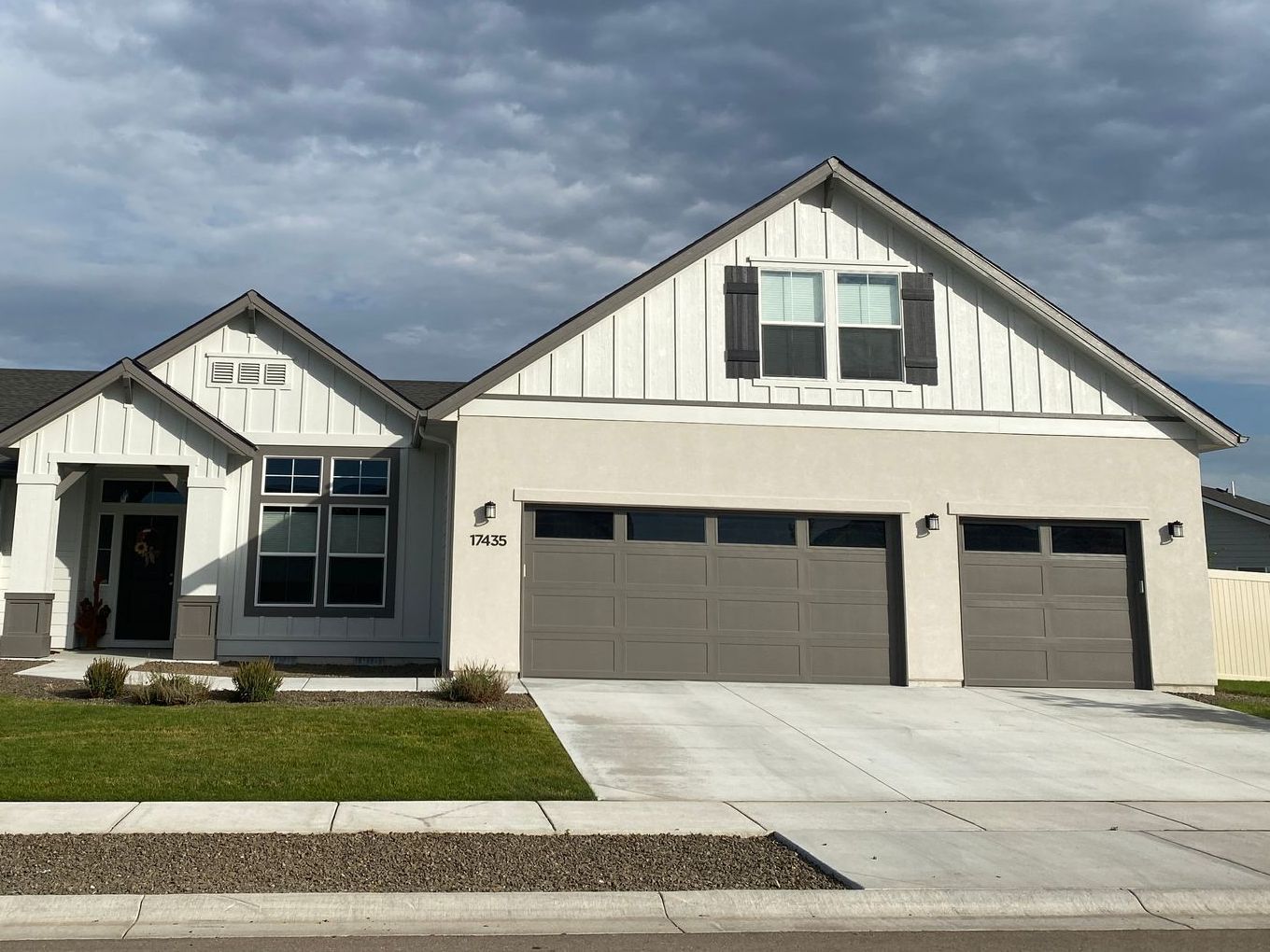
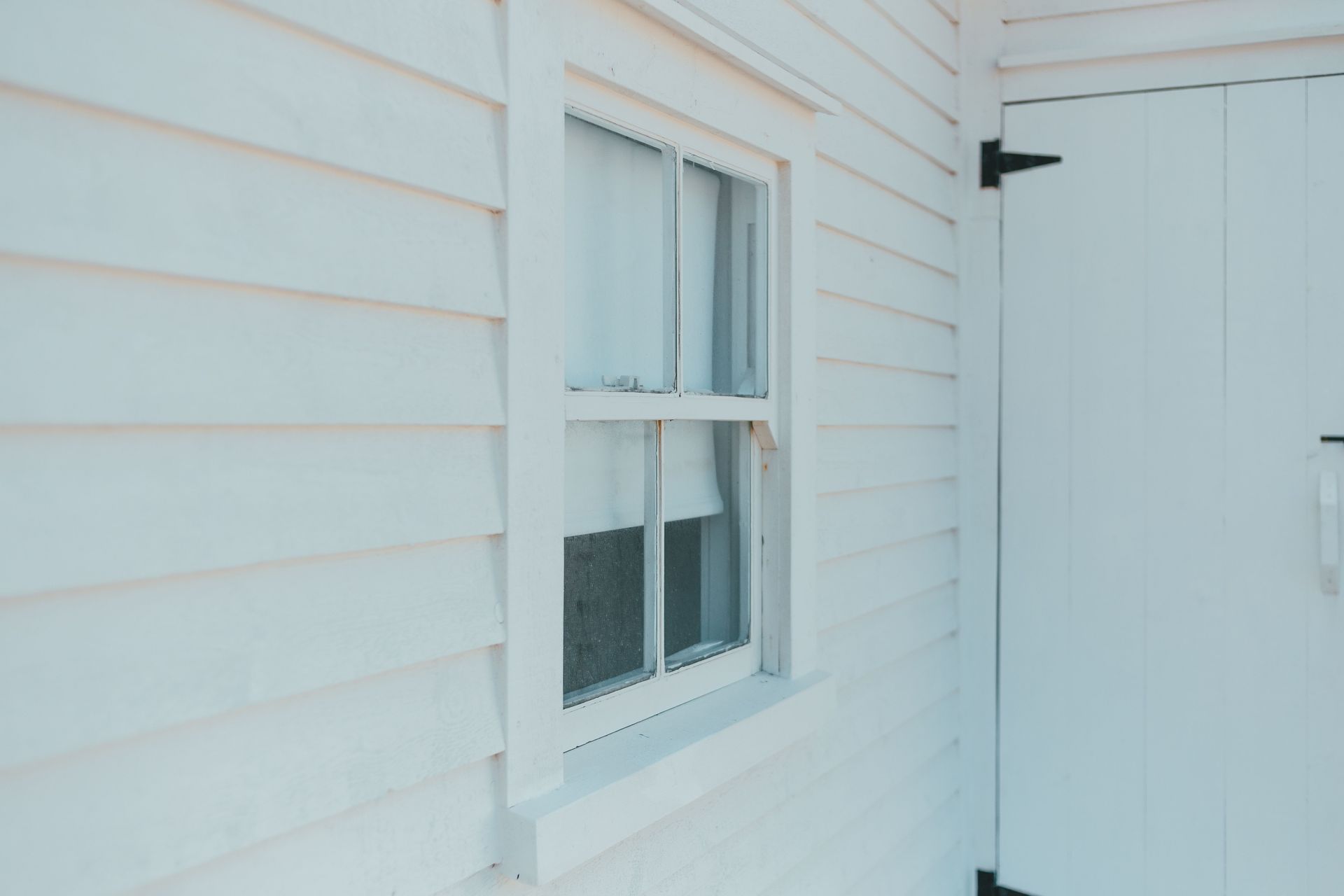
Boise homes deal with strong sun, dry heat, wind, cold winters, and seasonal temperature swings. Over time, those conditions can wear down siding, paint, caulking, and trim. South- and west-facing sides of the home often show wear faster because they receive more direct sunlight and heat.
This local wear is normal, but it still needs attention. A faded or dry-looking exterior may be the first sign that the siding needs maintenance. Peeling, cracking, open joints, and exposed wood are stronger signs that repairs or repainting should be considered sooner.
Some Siding Problems Need Repairs Before Painting
Painting can be a smart solution when the siding is still sound but the exterior coating is worn, faded, or failing. However, paint is not a fix for damaged materials. If siding is rotten, loose, warped, or holding moisture, those problems need to be corrected before painting.
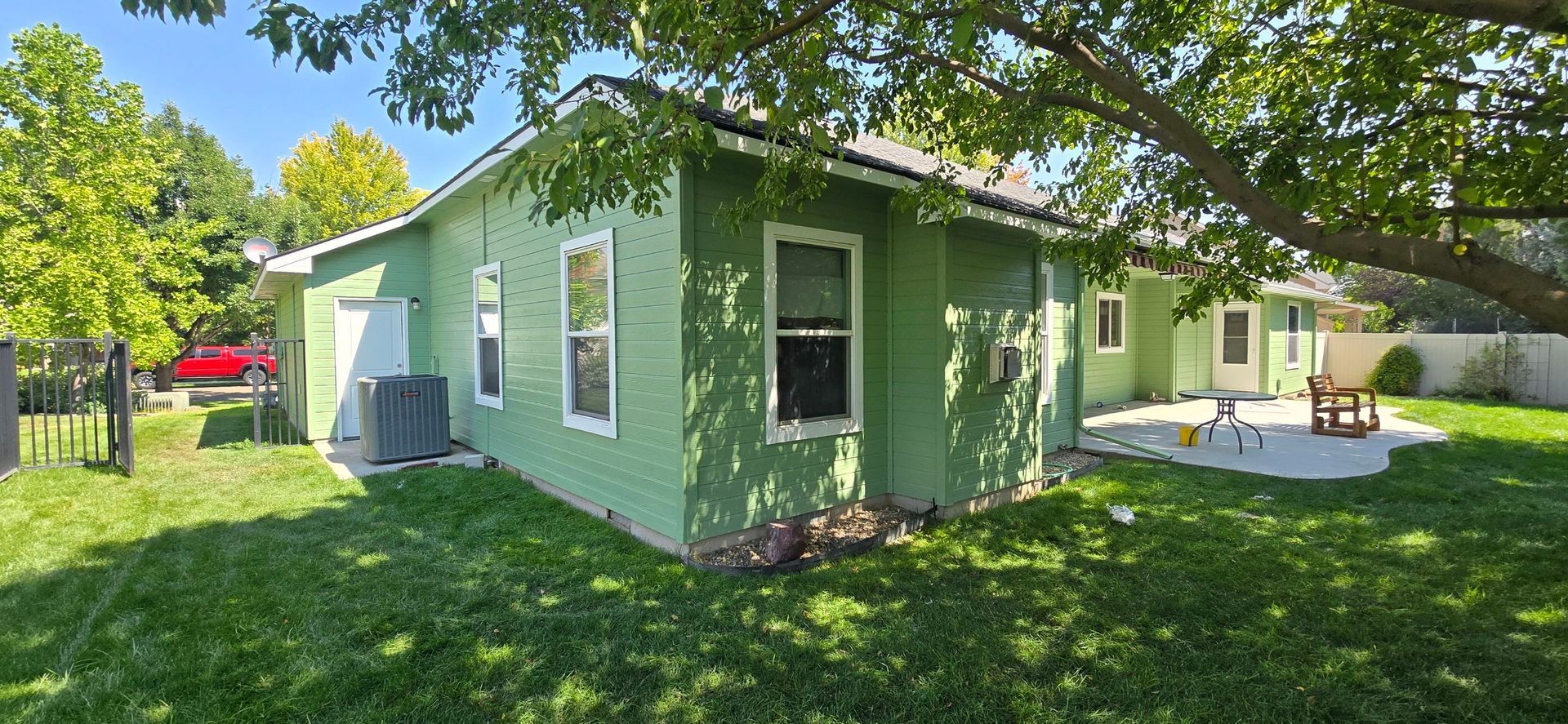
Many homes fall somewhere in the middle. They may not need full siding replacement, but they do need targeted repairs, caulking, scraping, sanding, or priming before exterior painting begins. This is often the most practical path when most of the siding is still in good condition.
Fixing Siding Problems Early Can Help You Avoid Larger Repairs
The biggest reason to address siding problems early is simple: small exterior issues usually cost less to fix than widespread damage. A few cracks, failed caulking, or localized peeling may be manageable if handled before moisture reaches deeper materials.
Early repairs can also help the next paint job last longer. Paint performs best when the surface underneath is stable, clean, dry, and properly prepared. If siding problems are ignored, even high-quality paint may not hold up the way it should.
What to Watch for During a Walkaround
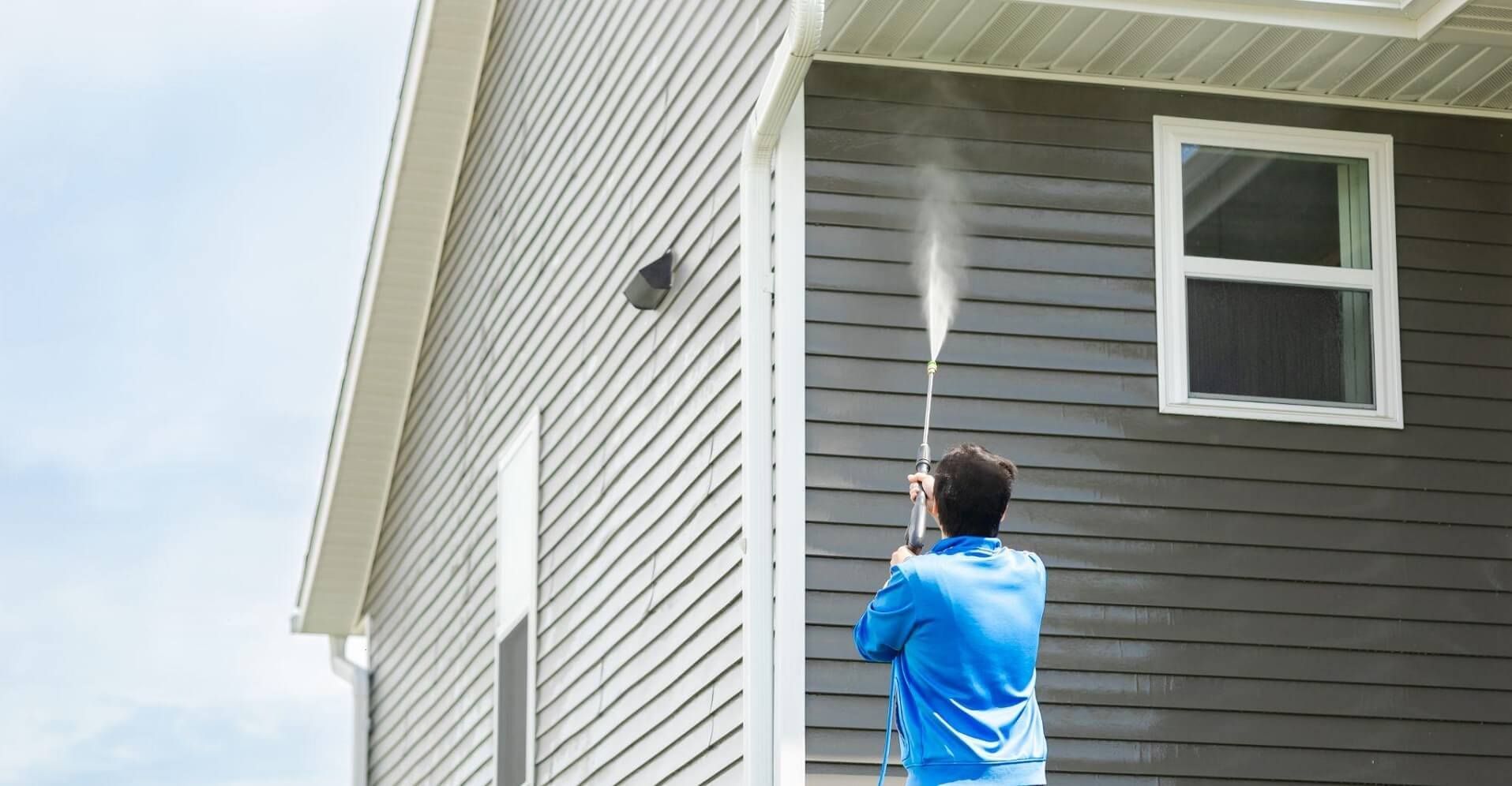
Homeowners do not need to inspect every inch of siding like a contractor, but a simple walkaround can help catch problems early. Pay attention to areas around windows, doors, trim, garage doors, lower siding sections, and sides of the home with the most sun exposure.
Look for:
- peeling or blistering paint
- cracks, gaps, or loose boards
- soft or crumbling areas
- staining, mildew, or recurring discoloration
- caulking that is cracked or pulling away
- siding that looks warped or uneven
If several of these signs are showing up at once, it may be time to have the exterior evaluated.
Get Help Choosing the Right Next Step for Your Siding
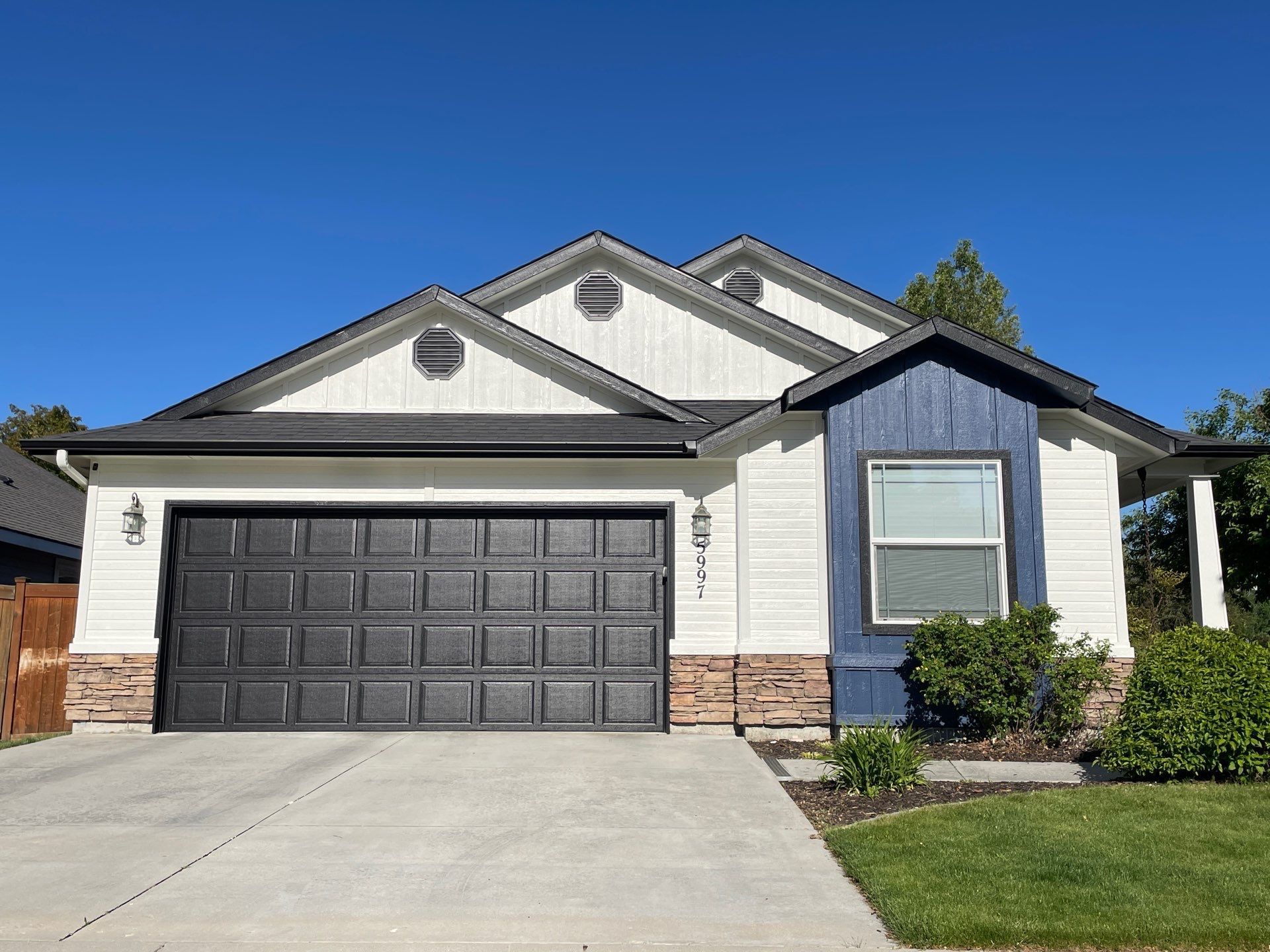
Siding problems do not always mean you need full replacement. In many cases, the right combination of repairs, prep work, and exterior painting can restore protection and improve the look of the home. The key is understanding whether the issue is cosmetic, repairable, or a sign of deeper damage.
Spray ’n Coat Painting helps Boise,
Nampa,
Meridian, and Treasure Valley homeowners evaluate siding condition before recommending the next step. If your siding is cracking, peeling, fading, staining, or showing signs of wear, request an
exterior painting estimate or siding evaluation to get clear guidance before small issues become bigger repairs.