Best Time to Repaint Your Property
Last Updated: October 13, 2025
Every coat of paint eventually reaches its limit. Knowing the best time to repaint protects your property’s value, beauty, and longevity. Whether you own a commercial building or a family home, timing your project right can save money, extend paint life, and deliver better results.
How Weather Influences Repainting Results
Temperature and humidity have a huge effect on how paint performs. Ideal weather conditions ensure perfect paint adhesion. If it’s too cold, paint won’t cure properly; if it’s too hot or humid, it may dry unevenly. In Boise, the sweet spot usually falls between late spring and early fall when temperatures hover between 50°F and 85°F. This moderate range allows for consistent drying and smooth finishes. For exterior work, avoiding rainy periods or direct midday sun helps prevent streaking and peeling.
Signs It’s Time for a Fresh Coat
You don’t need to wait for visible damage before planning a repaint. Recognizing early signs of paint wear prevents costly repairs. Look for fading colors, peeling edges, hairline cracks, or bubbling paint. Even subtle changes can indicate that the protective layer has weakened.
Other signs include chalky residue on walls, mildew growth, or water stains—especially in shaded or high-moisture areas. Repainting at the first hint of deterioration keeps your surfaces sealed and prevents long-term structural damage.
Best Seasons for Residential Projects
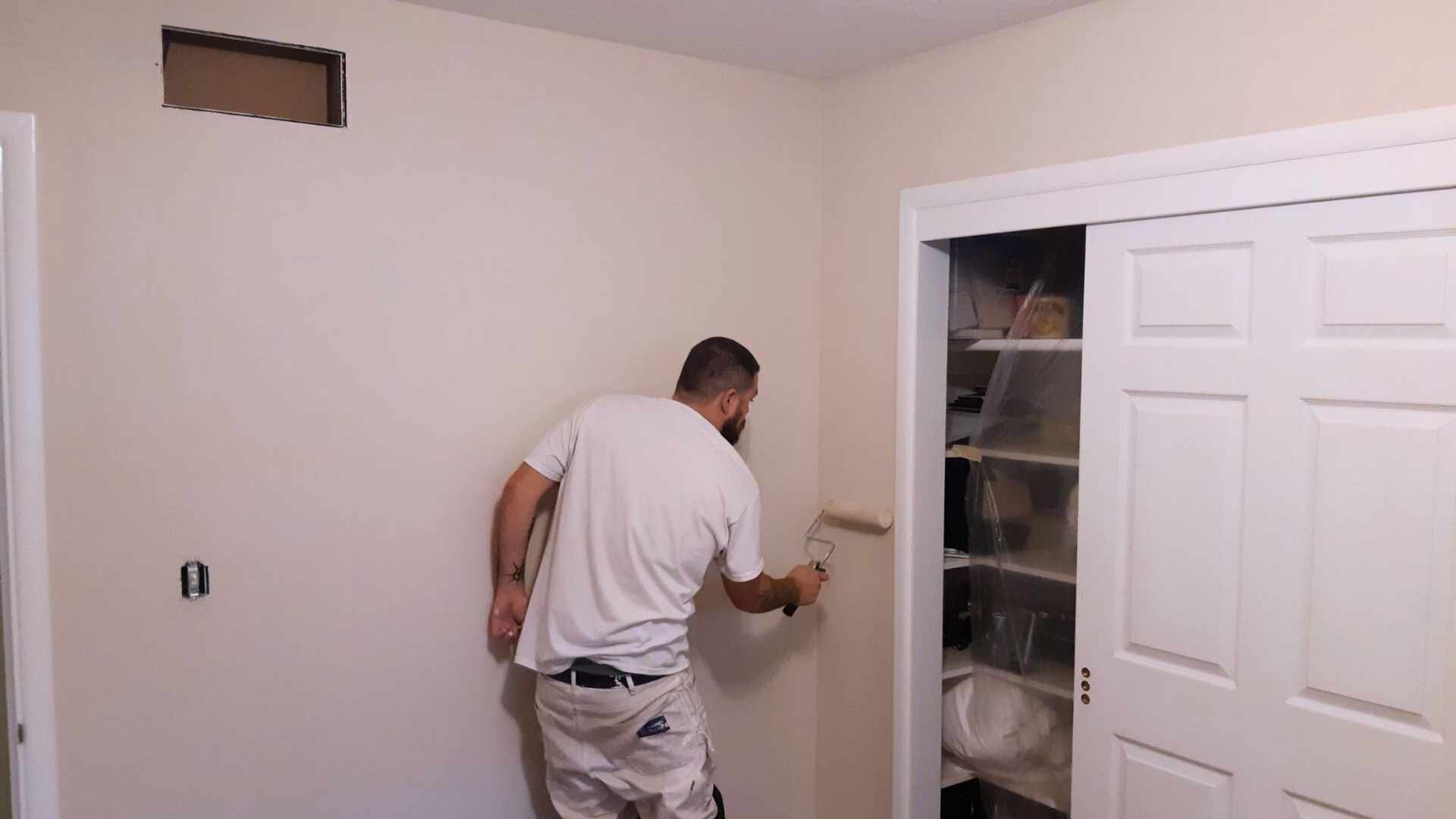
For most homes, late spring through early fall is the prime window. Mild weather ensures smooth residential painting results. During these months, paint dries evenly and forms a durable, lasting finish.Residential interior painting can be done year-round, but scheduling during drier months minimizes humidity issues and odors.
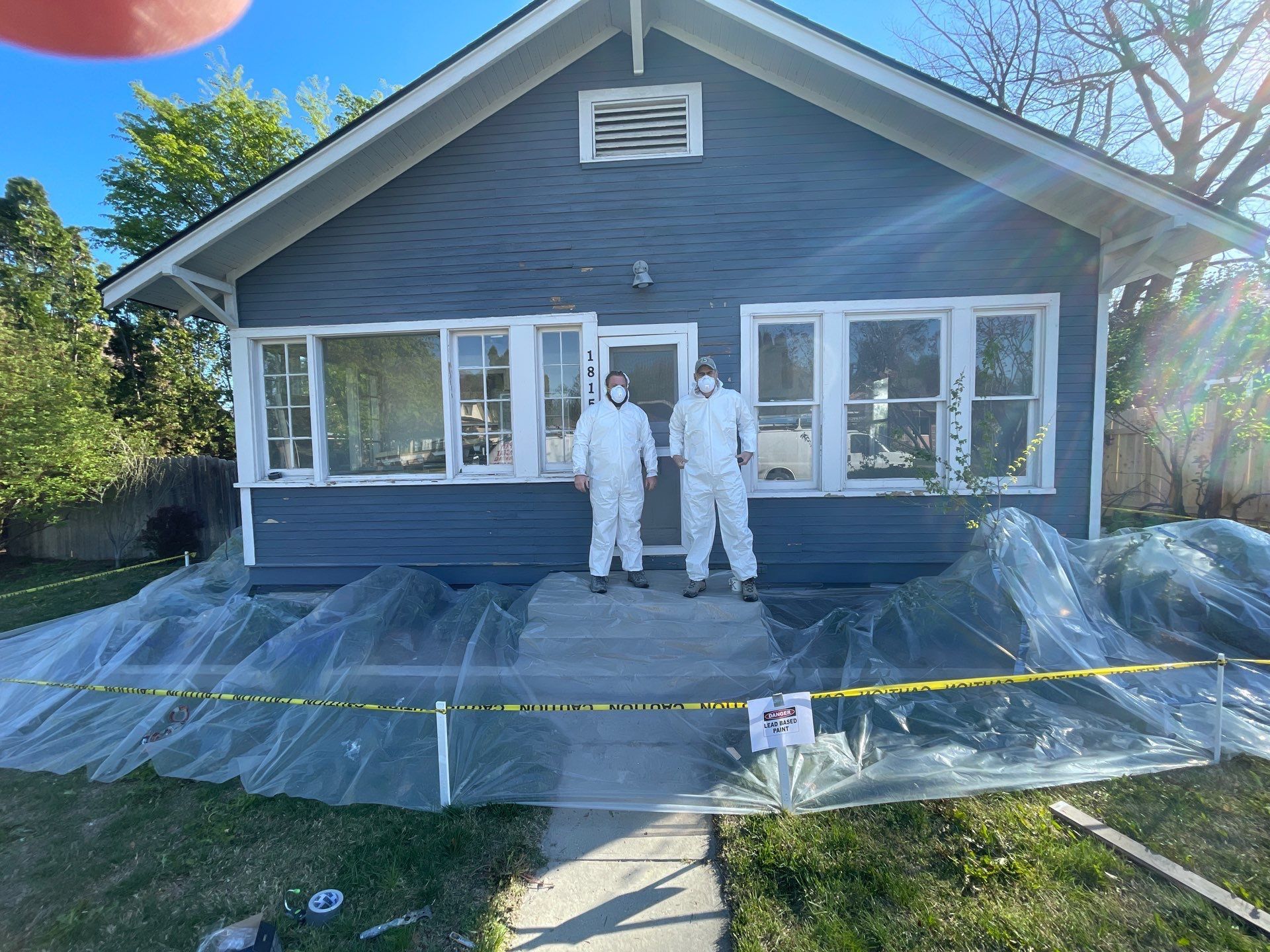
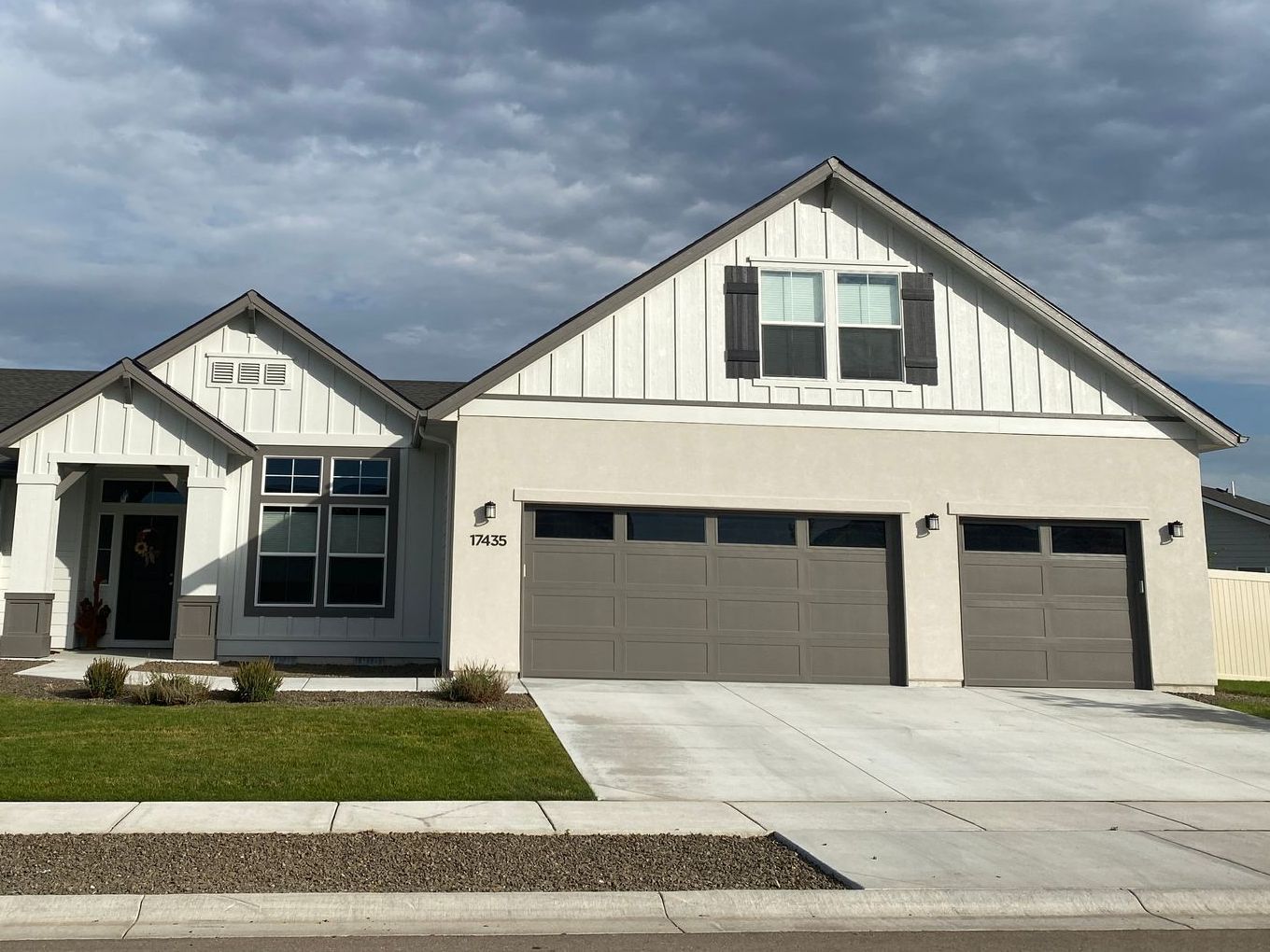
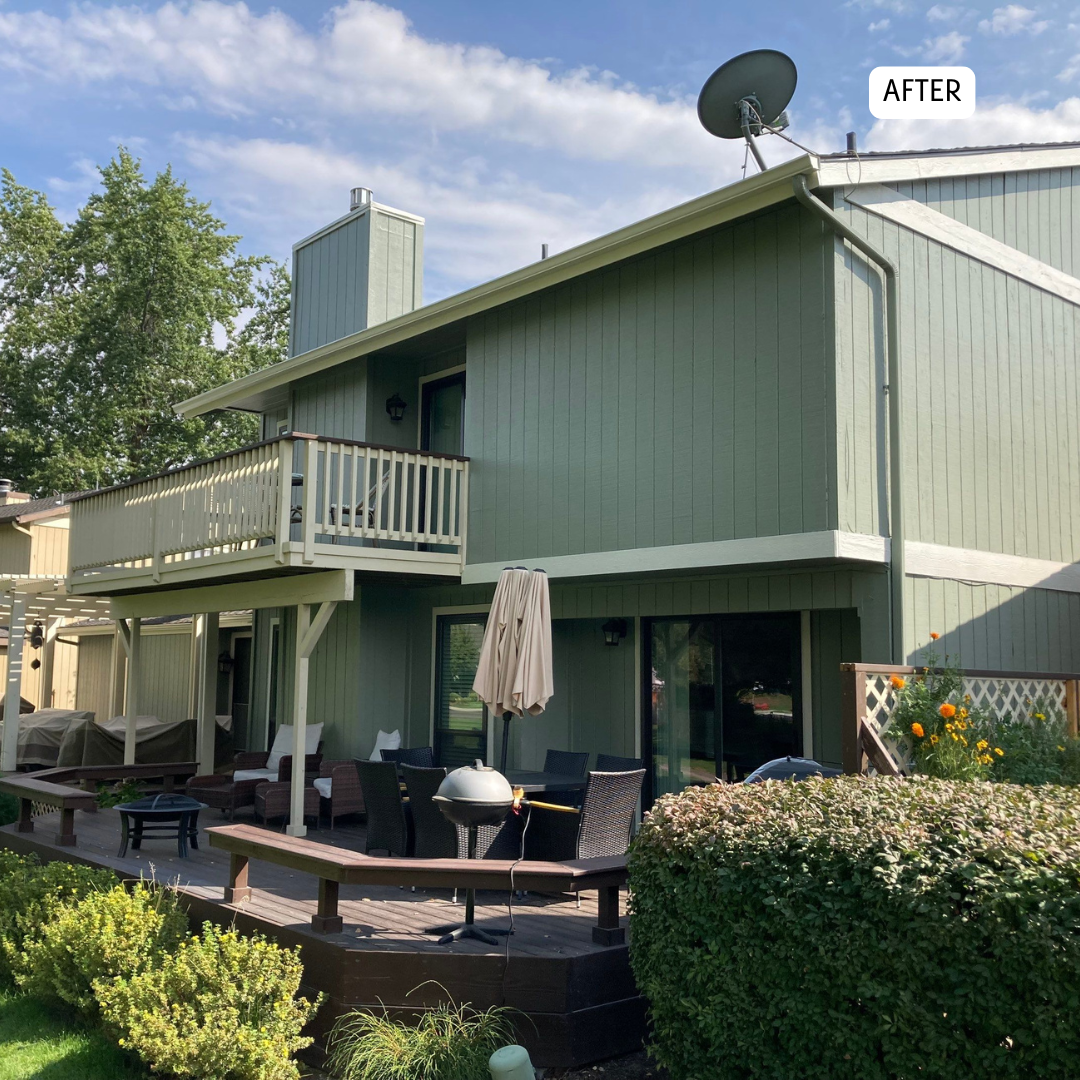
Residential exterior painting, on the other hand, benefits from stable temperatures and lower rainfall, ensuring a clean, crisp look that lasts. If your schedule allows, plan exterior projects in early summer or late fall—before extreme weather returns.
Timing for Commercial Painting Projects
Commercial properties require a balance between scheduling and minimizing disruption. Strategic repainting maintains business appearance and efficiency. Commercial exterior painting is best done during mild seasons, while commercial interior painting can happen any time as long as humidity and temperature are controlled.
Many businesses choose repainting during holidays or off-hours to avoid downtime. Regular repainting also supports brand consistency, especially in customer-facing spaces. Working with professionals ensures fast turnaround times and durable finishes that reflect your company’s image.
Why Regular Maintenance Matters
Even the highest-quality paint eventually fades or loses elasticity. Consistent maintenance extends the lifespan of every paint job. Commercial maintenance programs help property owners stay ahead of damage, ensuring a professional look year-round.
For homeowners, scheduling inspections every few years can reveal early signs of wear. This proactive approach allows for small touch-ups before major repainting becomes necessary. Maintaining surfaces properly means fewer full repaints and lower long-term costs.
When to Repaint Specialized Surfaces
Different materials have different lifespans, and repainting frequency depends on exposure and use. Understanding surface type helps determine repainting needs. Wood, stucco, and concrete all age differently under Boise’s conditions. Here’s a general guide for common surfaces:
- Wood siding: Every 3–7 years depending on sunlight exposure.
- Stucco and masonry: Every 5–10 years.
- Metal and trim: Every 5 years to prevent rust.
- Interior walls: Every 3–5 years, or sooner for high-traffic areas.
Interior touch-ups and wood staining, can often wait longer, depending on wear and style preferences.
The Role of Specialized Coatings
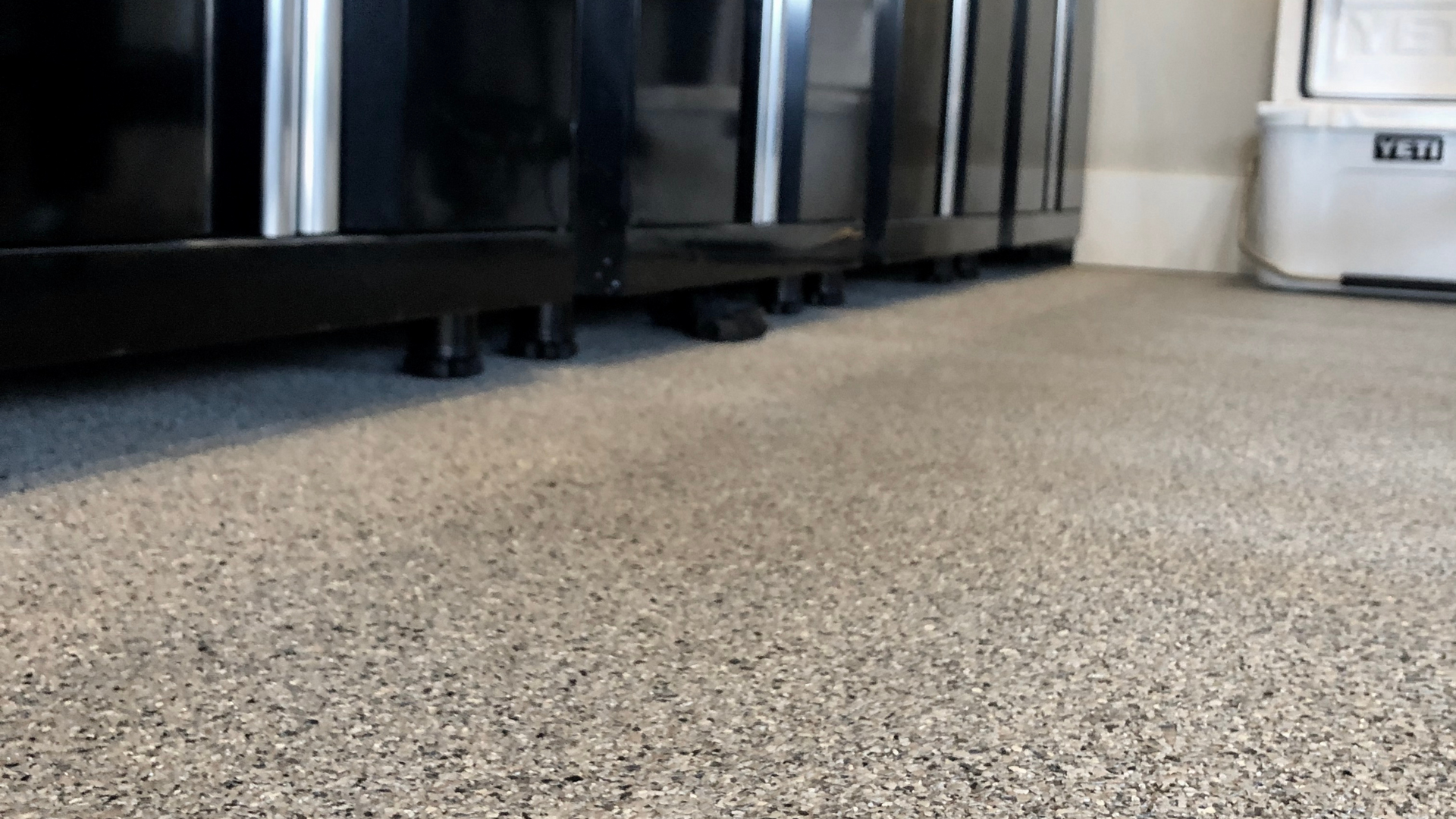
Sometimes, repainting isn’t just about color—it’s about protection. Durable coatings preserve surfaces and extend paint longevity. Garage floor coatings and concrete coatings create protective layers that resist moisture and heavy use. These coatings are especially useful in commercial or industrial environments, where traffic and exposure are constant. They protect large surfaces from weathering and chemical wear, keeping them safe and attractive.
Pairing Repainting With Other Upgrades
Repainting often goes hand in hand with other home or business improvements. Combining painting with minor upgrades maximizes visual impact. For example, if you’re refreshing a building’s exterior, adding patio floor coatings or sealing walkways creates a cohesive, well-maintained appearance.
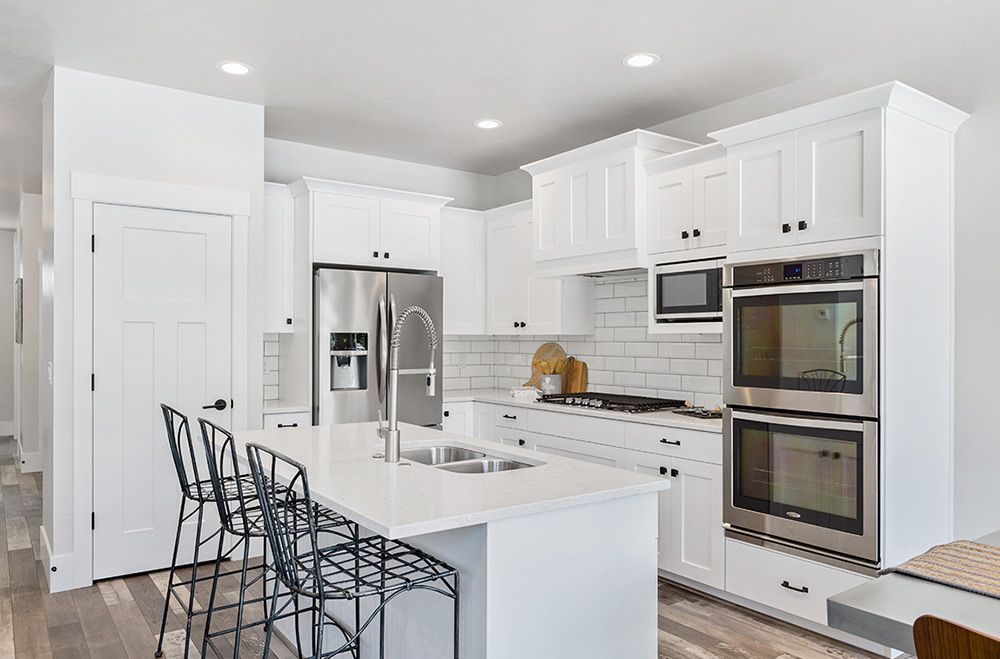
Inside, cabinet painting or wood staining can complement a new wall color, creating harmony throughout the space. These small adjustments elevate your property’s overall feel without requiring major renovation.
Repainting for Style and Energy Efficiency
A fresh coat isn’t just about looks—it can also improve comfort. Repainting exteriors enhances both curb appeal and insulation. Light-colored paints reflect heat, keeping interiors cooler in summer. Inside, new paint can make spaces brighter and more inviting without adding extra lighting. Choosing eco-friendly products also improves indoor air quality while reducing environmental impact. A well-timed repaint helps your property look great and perform better year-round.
Refresh Your Property with Spray ’n Coat Painting
Repainting is more than routine maintenance—it’s a smart investment in your property’s future. Spray ’n Coat Painting delivers expert timing and precision, helping Boise homeowners and businesses get the most from every project. Our experienced painters handle everything from residential interiors to commercial exteriors, using high-quality materials and finishes built for lasting results.
Whether you’re scheduling a repaint, applying protective coatings, or planning seasonal maintenance, trust a team that understands your surfaces and your schedule. Contact Spray ’n Coat Painting today for a free estimate and discover the perfect time to make your space look brand new again.