Why Professional Cabinet Painting Lasts Much Longer Than DIY
Last Updated: October 10, 2025
Many homeowners start cabinet painting projects thinking it’ll be a quick weekend job that saves thousands. But a few months later, the difference becomes clear—brush marks, chips near handles, and paint that’s starting to yellow or peel.
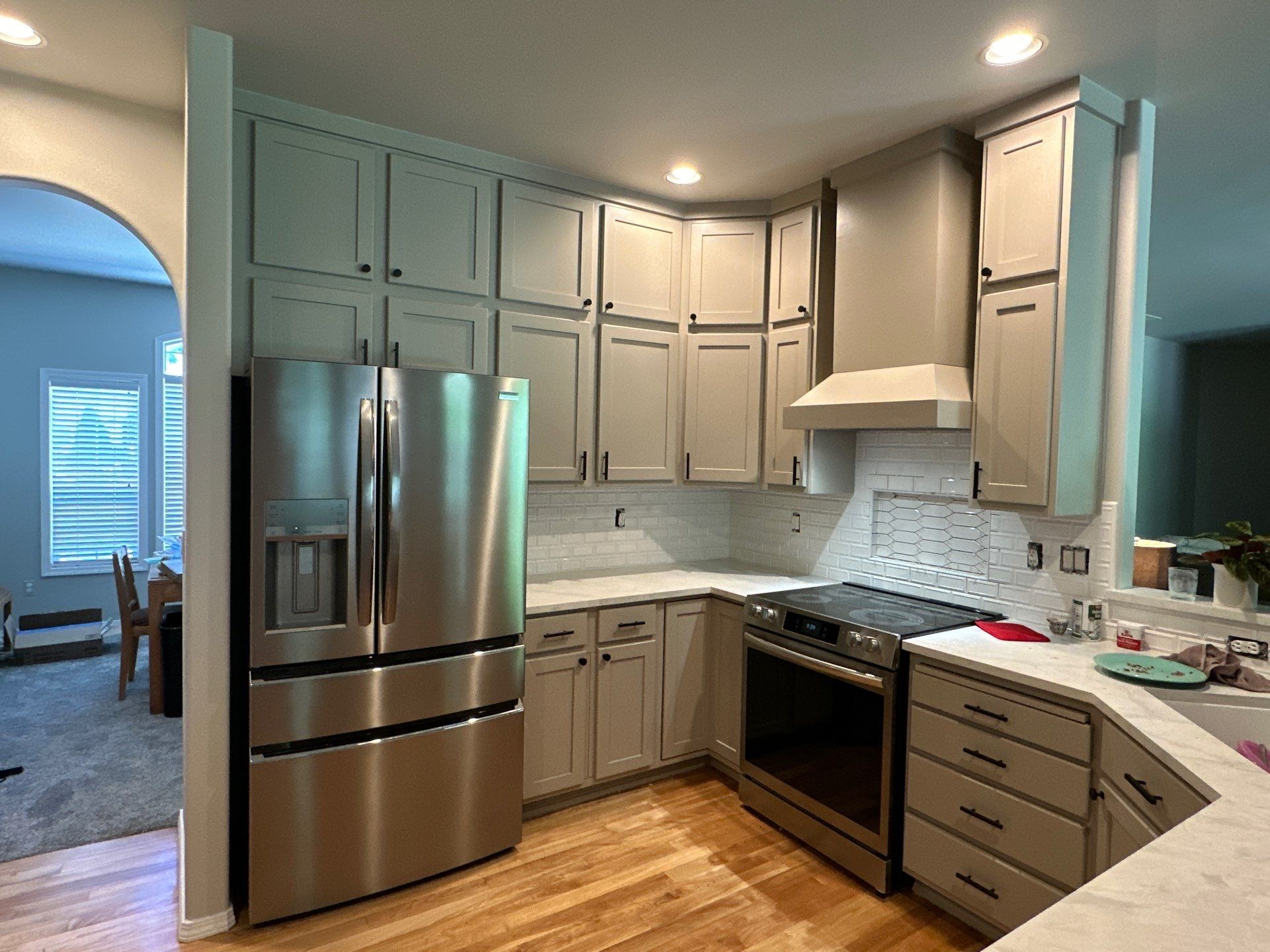
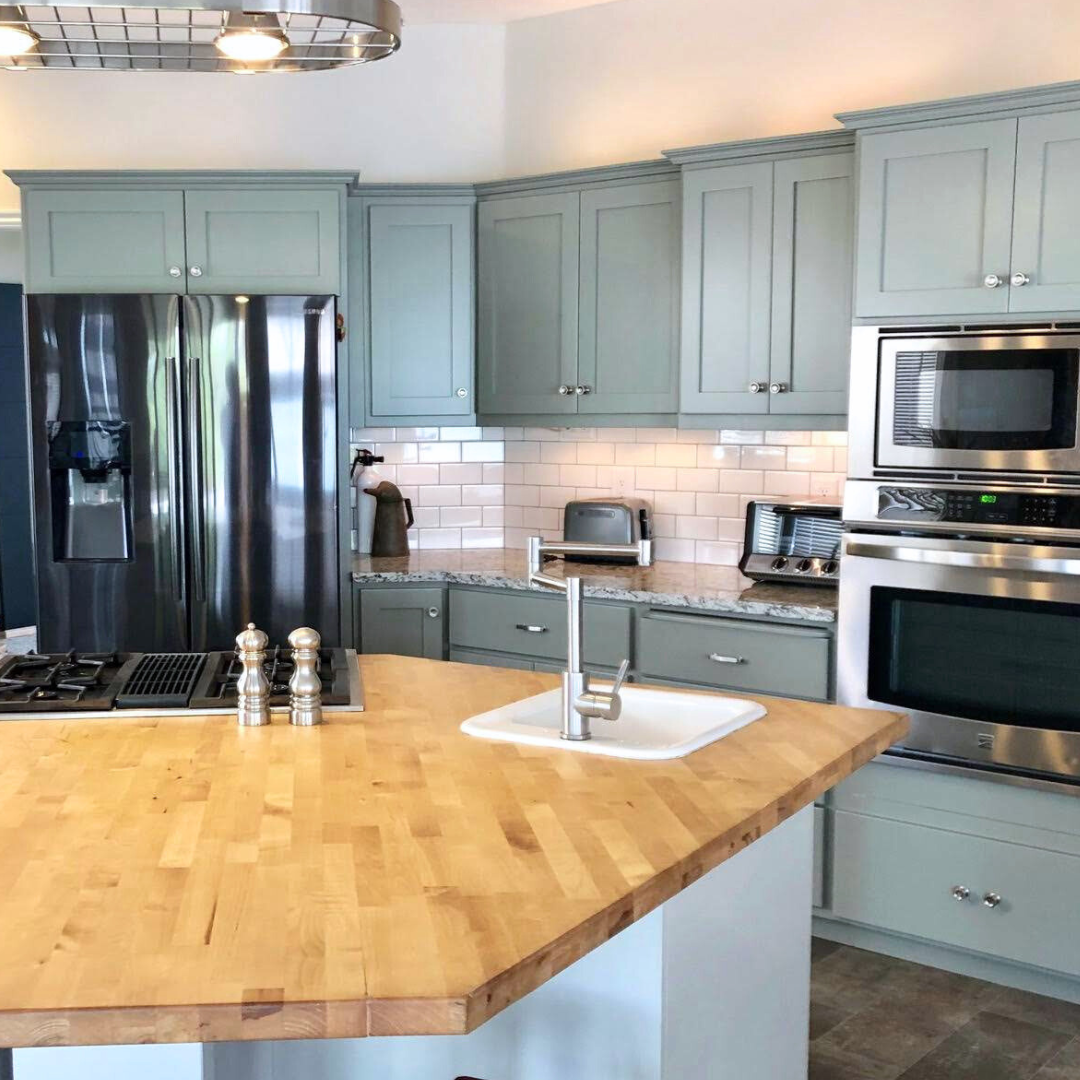
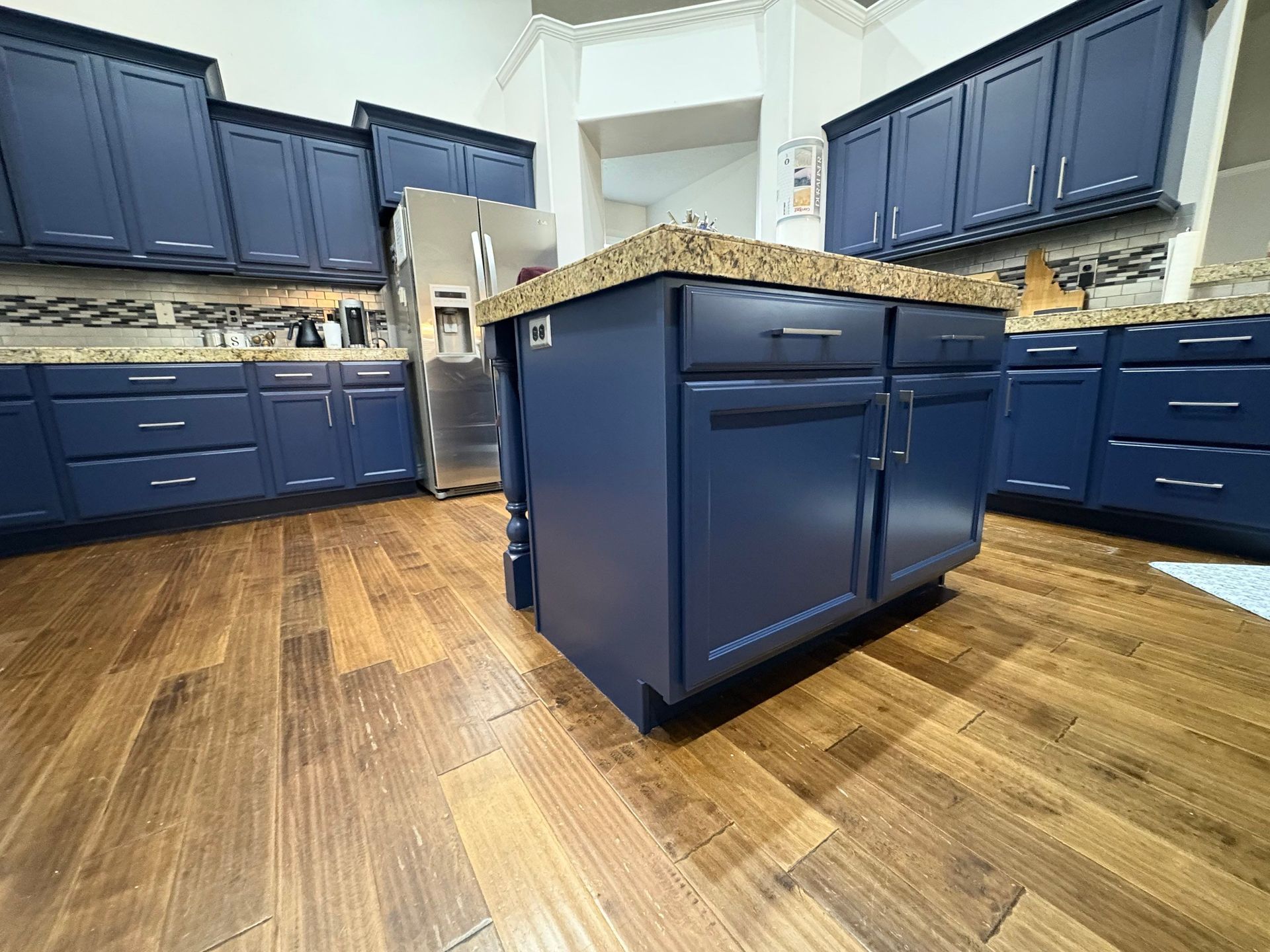
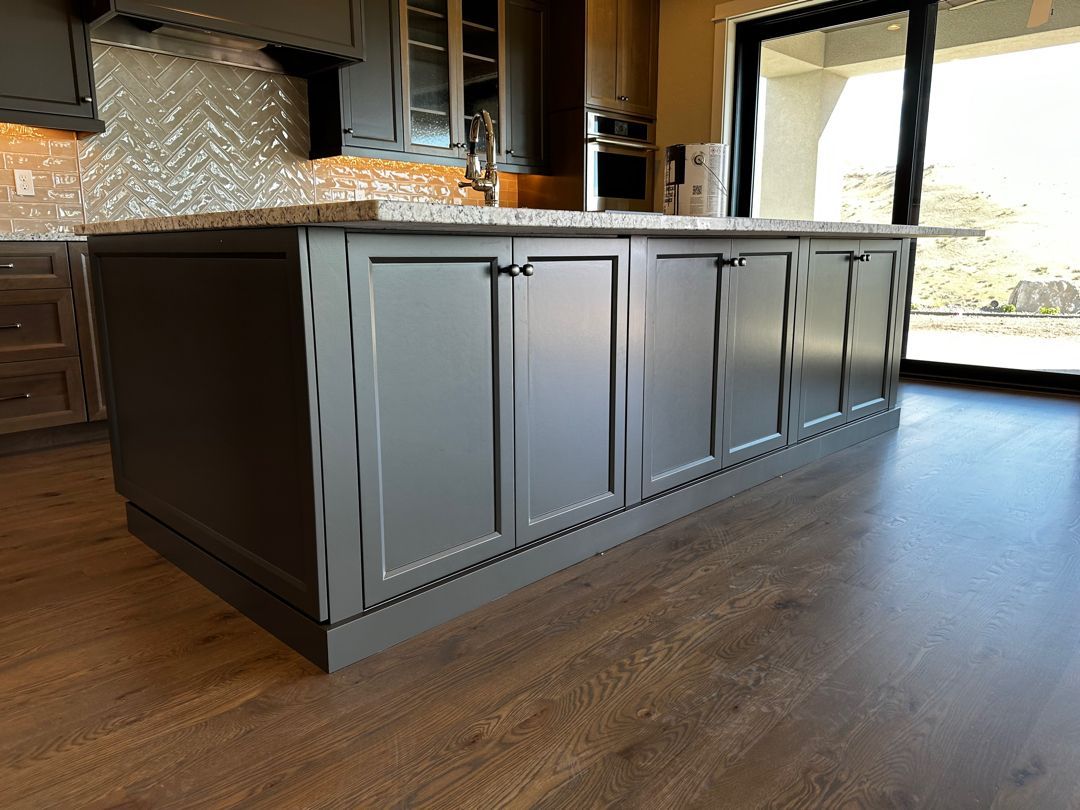
Professional cabinet painting lasts much longer than DIY because it relies on specialized prep, equipment, coatings, and controlled application that create a factory-grade finish.
In this post, we’ll break down exactly why that’s true—how process, materials, and expertise impact longevity—and when hiring professionals is the better long-term investment.
What Makes Professional Cabinet Painting Different
Professional cabinet painting is about more than just applying paint. Every stage—from prep to curing—is designed for durability. Our process combines advanced tools, high-grade coatings, and years of hands-on experience to create a flawless, long-lasting finish.
Equipment and Materials
We use professional-grade sprayers, industrial primers, and catalyzed paints formulated specifically for cabinetry. These coatings chemically bond to the surface, creating a dense, smooth layer that resists scratches and moisture.
In Boise’s dry summers and cold winters, this level of adhesion is key. Standard wall paint from a hardware store simply isn’t built to expand, contract, or clean as easily as cabinet-grade finishes.
Controlled Environment
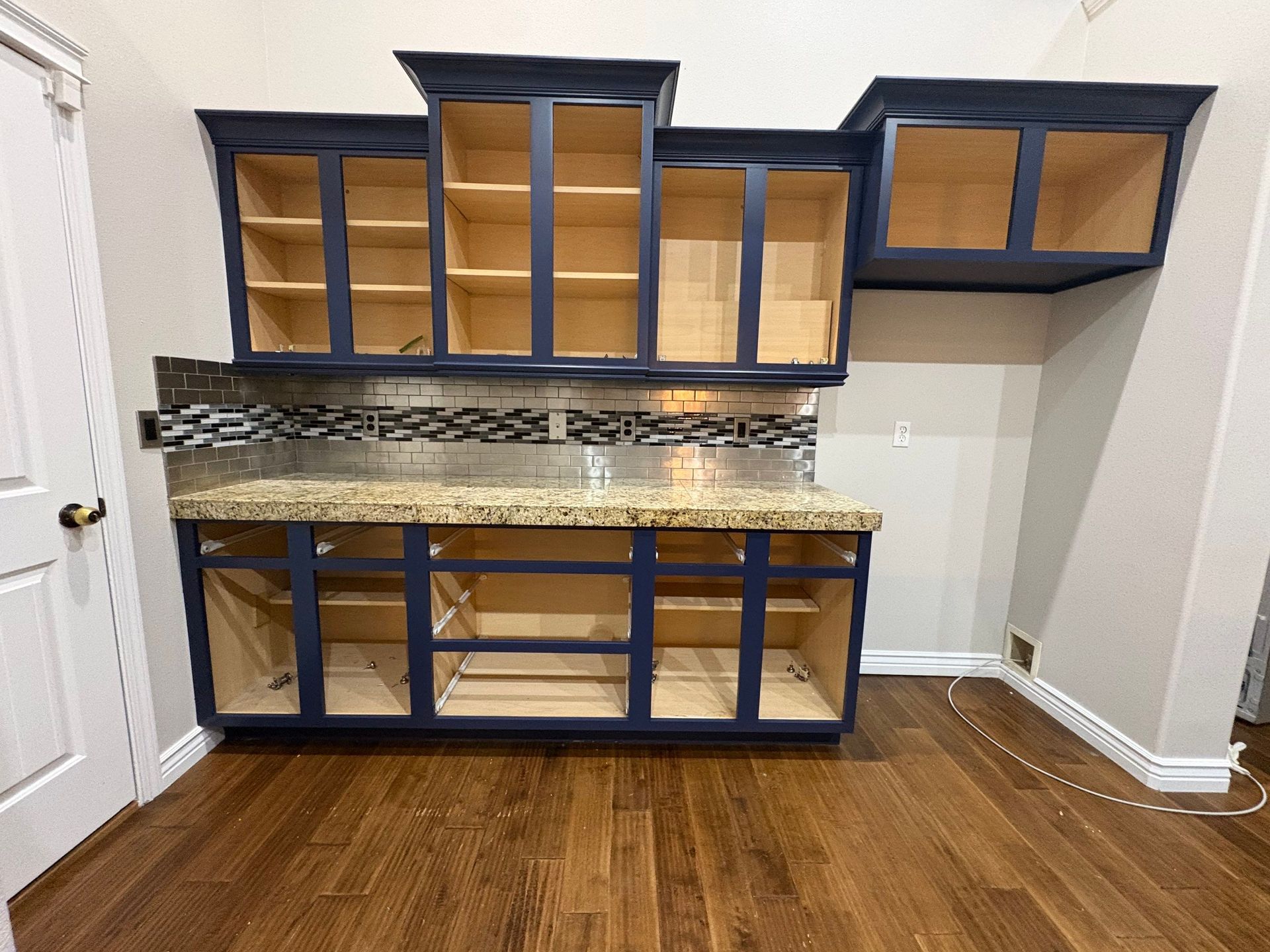
Unlike DIY setups, we control the painting environment from start to finish. Cabinet doors and drawers are carefully removed, prepped, and sprayed in a clean, controlled environment to ensure an even, durable finish. That ensures even coverage and a flawless cure.
The Role of Proper Preparation
Surface prep is where most DIY efforts fall short. Even the best paint won’t adhere properly without removing years of grease, residues, and finishes.
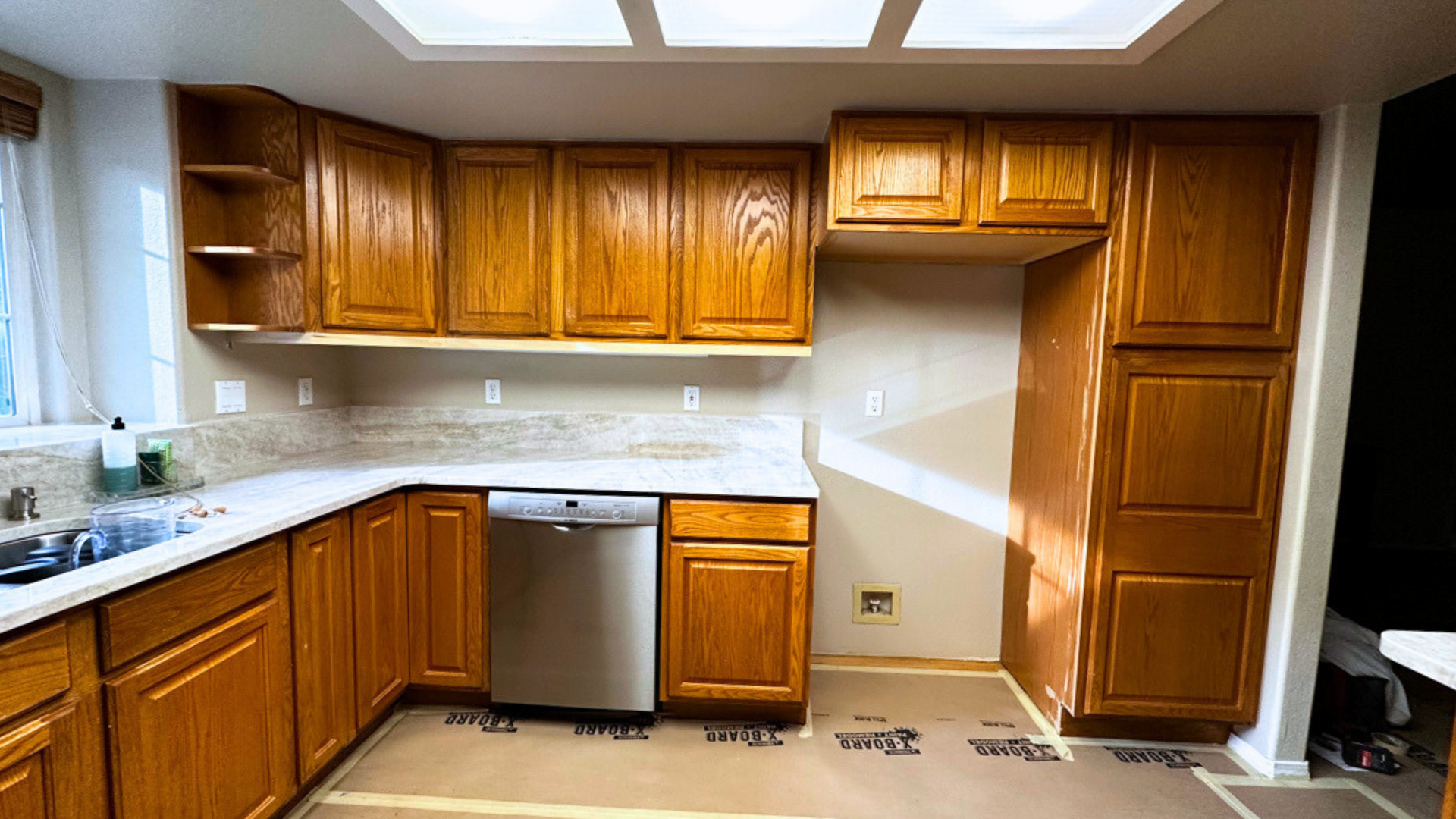
Our cabinet painting experts clean every surface with industrial degreasers, sand to the correct grit, repair imperfections, and apply bonding primer before spraying. These steps create the foundation for a smooth, lasting finish.
Skipping or rushing prep often leads to early failure—peeling paint near handles, uneven sheen, or visible brush strokes within months.
Primer and Paint Quality Matter
Cabinet-grade coatings are engineered differently. Professional painters use two-part catalyzed enamel or polyurethane systems that chemically harden as they cure. These coatings form a durable shell that stands up to constant use and cleaning.
Off-the-shelf latex paint may look good at first, but it remains soft, scuffs easily, and can yellow or peel within a few years. Layering, proper dry times, and curing temperature all affect how long the finish lasts—and those are things we manage with precision.
Cost vs. Longevity: What’s the Better Investment?
DIY painting can seem like a bargain—until you factor in how long it lasts. On average, a DIY cabinet job begins to show wear within 2–3 years. Professional finishes, however, often look great for 10+ years with proper care.
That means fewer repaints, fewer materials purchased, and a better overall return—especially if you’re planning to sell your home. Professionally refinished cabinets enhance resale value and make your kitchen feel newer and more refined, without the cost of replacement.
When to Call the Professionals
If your cabinets are starting to show these signs, it’s time to call in the pros:
- Chipping or peeling near high-use areas
- Sticky or dull surfaces that don’t clean easily
- Visible brush marks or uneven color
- Frustration from trying to fix recurring paint issues
Professional refinishing not only restores the look—it resets the clock on your kitchen’s lifespan.
Extend the Life of Your Cabinets with Spray ’n Coat Painting
At Spray ’n Coat Painting, our cabinet painting experts have spent over 15 years perfecting a system that delivers lasting results. From prep to finish, every detail is designed for durability, beauty, and precision.
If you’re tired of short-lived DIY results—or simply want cabinets that look brand-new for years—we can help. Schedule your free
cabinet painting estimate or color consultation today and discover why homeowners across Boise trust our team for professional, long-lasting finishes.