Why Pressure Washing Is Important Before Exterior Painting
Last Updated: May 28, 2026
When homeowners plan an exterior painting project, they usually think about color, paint quality, and how the finished home will look. Those things matter, but the condition of the surface before painting matters just as much. Paint needs more than a good product to perform well. It needs a clean surface it can properly bond to.
Pressure washing before painting helps remove dirt, mildew, chalky residue, dust, and other buildup that can interfere with adhesion, coverage, and long-term durability. It is one of the steps that helps an exterior paint job look better when it is finished and last longer after the crew leaves.
Clean Surfaces Help Paint Stick Better
Paint is not meant to bond to dirt, dust, mildew, or old surface residue. It is meant to bond to the siding or trim underneath. When buildup is left on the exterior, it creates a barrier between the new paint and the surface of the home.
That barrier can make the paint job weaker from the beginning. Even if the new paint looks good right away, it may not adhere as well as it should. Over time, that can lead to peeling, flaking, uneven wear, or areas where the paint breaks down faster than expected. A clean surface gives the paint a better chance to do its job.
What Pressure Washing Removes Before Painting
Exterior surfaces collect more buildup than most homeowners realize. From the ground, siding may look fairly clean, but close up, there can be layers of dust, pollen, residue, and organic growth that need to be removed before painting.
Dirt, Dust, and Pollen
Outdoor surfaces are constantly exposed to the elements. Dirt, dust, and pollen settle on siding, trim, and other exterior areas over time. This can be especially noticeable on homes near busy roads, open lots, trees, or dusty areas.
Even when the buildup is thin, it can still affect how well paint adheres. Pressure washing helps clear away that layer so the paint is applied to the actual surface, not the debris sitting on top of it.
Mildew and Organic Growth
Mildew and organic growth can also interfere with paint adhesion. If they are painted over, they may continue causing problems under the new coating. In some cases, they can lead to staining, early failure, or areas where the paint does not bond correctly.
Cleaning these areas before painting helps create a healthier, more stable surface. It also gives the painter a better view of the siding condition before repairs, scraping, or other prep work begins.
Chalky Residue and Old Surface Breakdown
Older painted surfaces can develop a chalky film as paint breaks down from sun exposure and age. This residue may come off on your hand if you rub the siding. It might not look serious, but it can create a weak layer between the old surface and the new paint.
If chalky residue is not removed, the new paint may bond to that loose film instead of the siding. Pressure washing helps remove this surface breakdown so the next steps in prep can be done properly.
Why Skipping This Step Can Lead to Problems Later
Skipping exterior house washing before painting can create problems that do not always show up immediately. The home may look freshly painted at first, but the coating may not be as secure as it should be.
Painting over buildup can lead to weaker adhesion, rougher coverage, premature peeling, and a shorter paint life. It can also make the final finish look less smooth because contaminants or uneven residue are trapped under the paint. For homeowners investing in exterior painting, skipping prep is one of the easiest ways to shorten the value of the project.
Pressure Washing Supports a Smoother, Better-Looking Finish
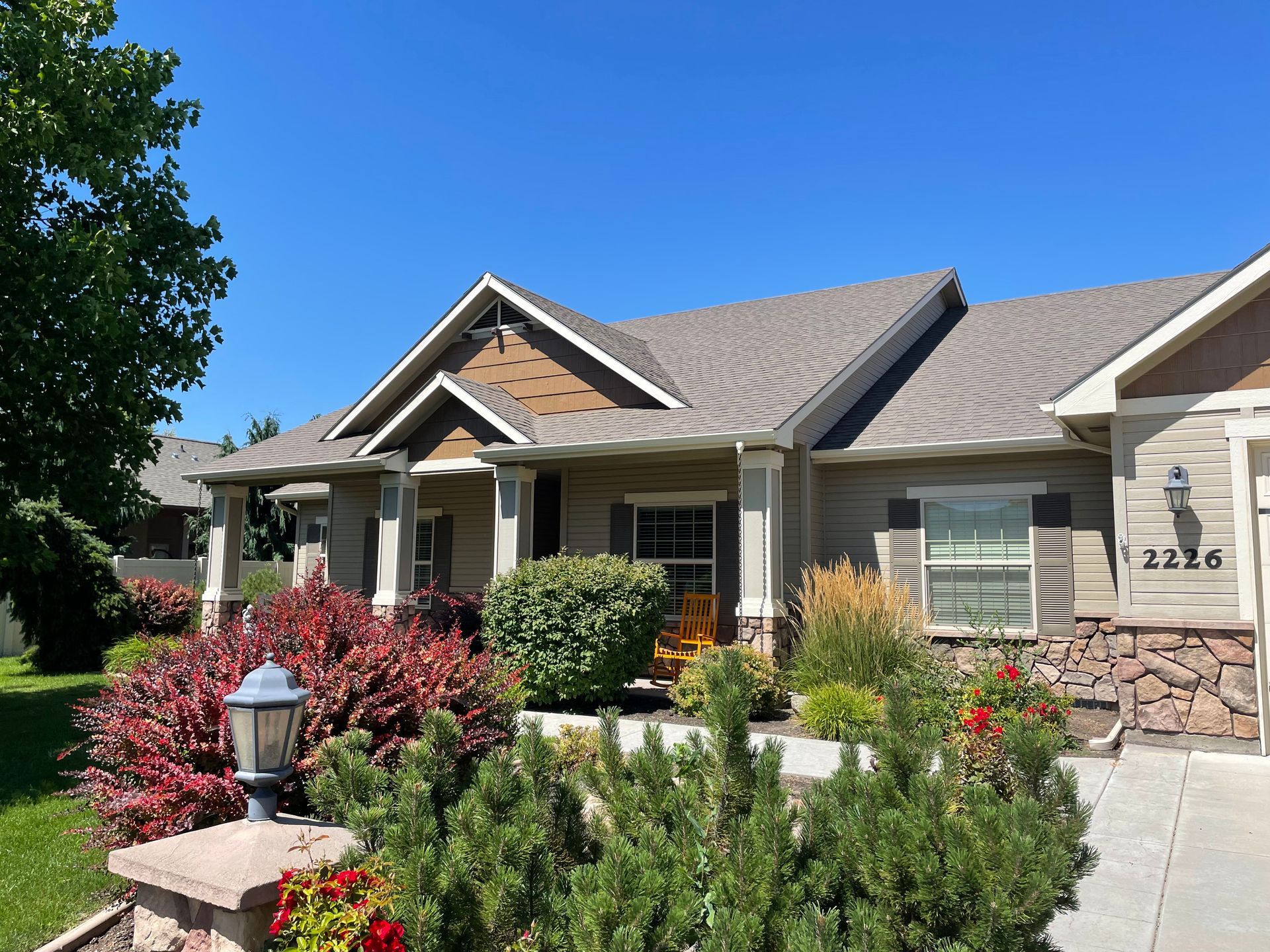
A clean surface does not just help paint last longer. It also helps the finished home look better. When siding and trim are properly cleaned before painting, the paint can go on more evenly and cover more consistently.
This matters for curb appeal. Dirt, chalky residue, and mildew can create uneven areas that affect how the final color looks. Pressure washing gives the project a cleaner starting point, which helps the finished exterior look sharper, smoother, and more professional.
Boise Weather Makes Exterior Prep Even More Important
Boise homes deal with a mix of conditions that can leave buildup on exterior surfaces. Wind, dust, seasonal pollen, sun exposure, and changing weather all affect siding and trim over time. Even homes that look reasonably clean from a distance may have residue that needs to be removed before painting.
This is why pressure washing before painting a house is not just a generic prep step. For Boise exterior painting projects, it helps address the real conditions local homes face. Cleaning the surface first makes the rest of the painting process more effective.
Pressure Washing Is Part of a Strong Exterior Painting Process
Pressure washing is important, but it is not the entire prep process. It creates the clean foundation needed for the next steps to work properly. Once the surface is clean, painters can better identify areas that need scraping, sanding, caulking, priming, or repair.
That sequence matters. If a home is not cleaned first, other prep work may not be as effective. A strong exterior paint job starts with understanding the condition of the surface, cleaning it properly, and then making the repairs and adjustments needed before paint is applied.
Not Every Surface Should Be Washed the Same Way
Pressure washing does not mean blasting every part of the home with the highest pressure possible. Different siding materials, paint conditions, and exterior surfaces require different levels of care. Too much pressure can damage siding, force water where it should not go, or create new problems before painting begins.
A professional approach uses the right pressure, technique, and cleaning method for the surface. The goal is to remove buildup without damaging the home. This is one reason exterior paint preparation should be handled with judgment, not just equipment.
A Longer-Lasting Paint Job Starts Before the First Coat
A durable exterior paint job starts long before the first coat of paint is applied. The surface has to be clean, stable, and ready to accept paint. If that foundation is skipped, even high-quality paint may not perform as well as expected.
Homeowners who want the best long-term result should pay attention to the prep process, not just the paint brand or color. Pressure washing helps set the stage for better adhesion, smoother coverage, and a finish that holds up better over time.
Get an Exterior Painting Process Built Around Proper Prep
A quality exterior painting project should include the prep needed to help the paint last. That may include pressure washing, scraping, sanding, caulking, priming, and repairs depending on the condition of the home.
Spray ’n Coat Painting takes surface preparation seriously because the finished result depends on what happens before painting begins. If you are planning an
exterior painting project in the Boise area, request an estimate or consultation to learn what your home needs before the first coat goes on.