How to Fix Water Damaged Cabinets: Painted vs. Wood Finish
Last Updated: May 15, 2025
Key Differences in How Moisture Affects Painted vs. Wood Cabinets
Water damage is one of the most common (and costly) issues homeowners face in kitchens and bathrooms. And when it comes to cabinets, a little moisture can go a long way in causing serious problems. Whether your cabinets are finished in clear stain or fully painted, prolonged water exposure can wear down the surface, damage the wood, and leave you wondering whether to repair or replace.
At Spray 'n Coat Painting, we provide expert cabinet painting services in Boise and the surrounding Treasure Valley to restore water-damaged cabinets and help you avoid a full replacement. Here’s what you need to know about how water affects different types of finishes—and how we help fix them.
How Water Affects Natural Wood Cabinet Finishes
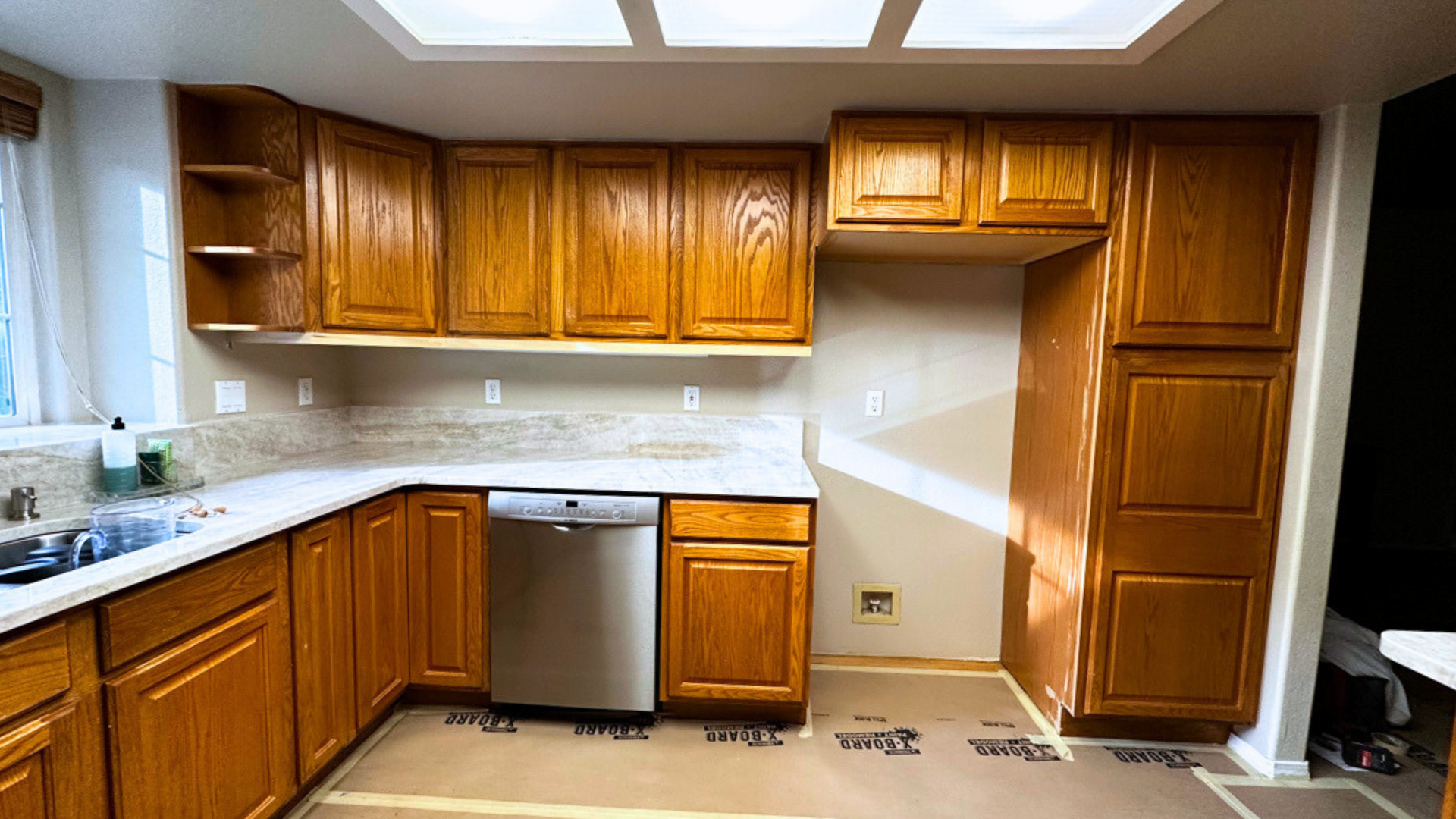
Wood-finished cabinets rely on a protective topcoat to seal out moisture. But over time, especially around sinks or dishwashers, that coating can wear thin. Once water breaks through, the damage starts from the inside out.
Common signs of water damage on wood finishes:
- White, cloudy spots (trapped moisture under the topcoat)
- Peeling, worn, or flaking finish
- Swollen or raised wood grain
- Cracks or separation at seams and joints
- Musty odor or visible darkening
Even with minor damage, the risk is long-term deterioration. Unsealed wood absorbs water quickly, making it more likely to warp or rot if not addressed.
How Water Affects Painted Cabinets
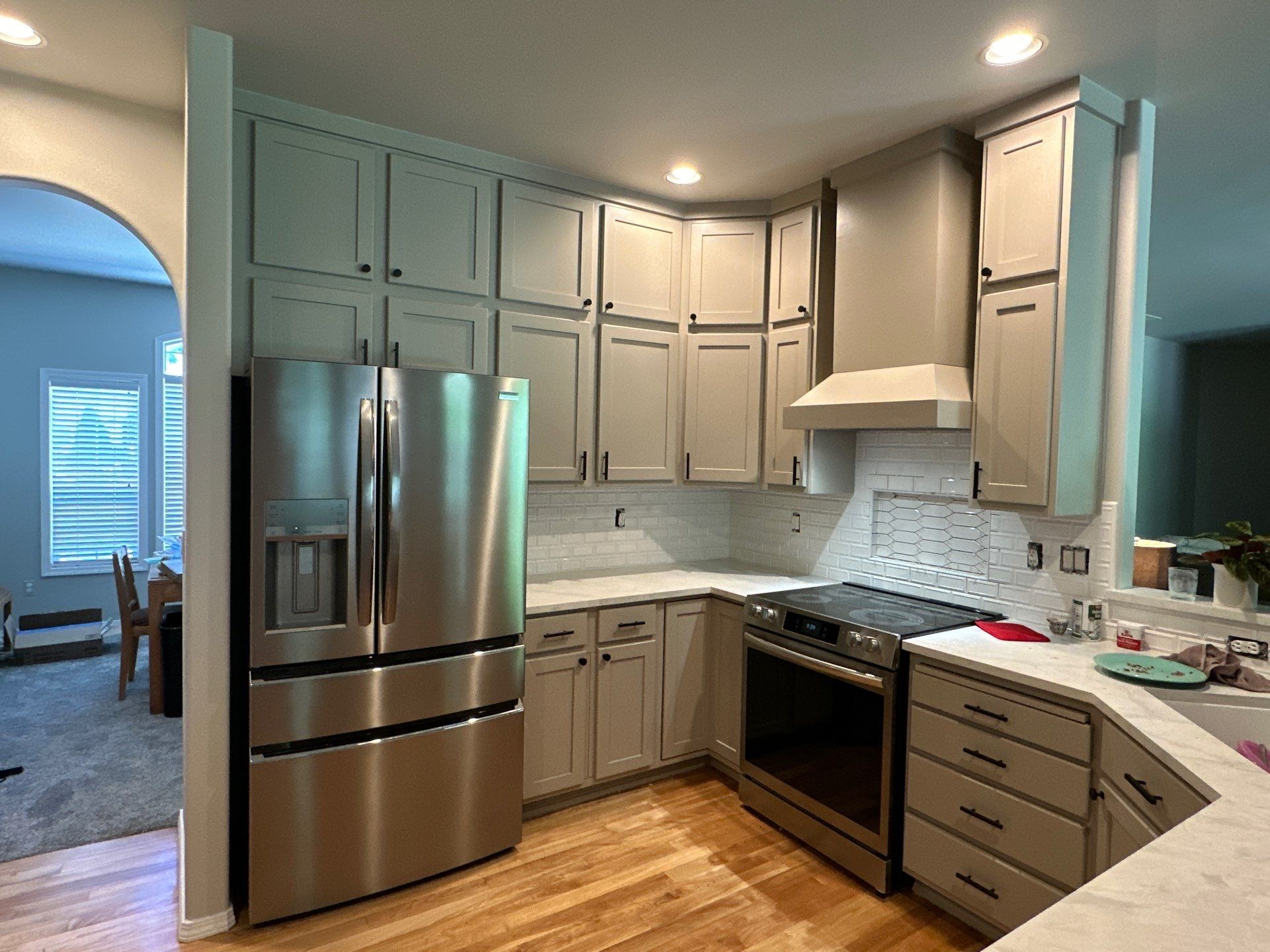
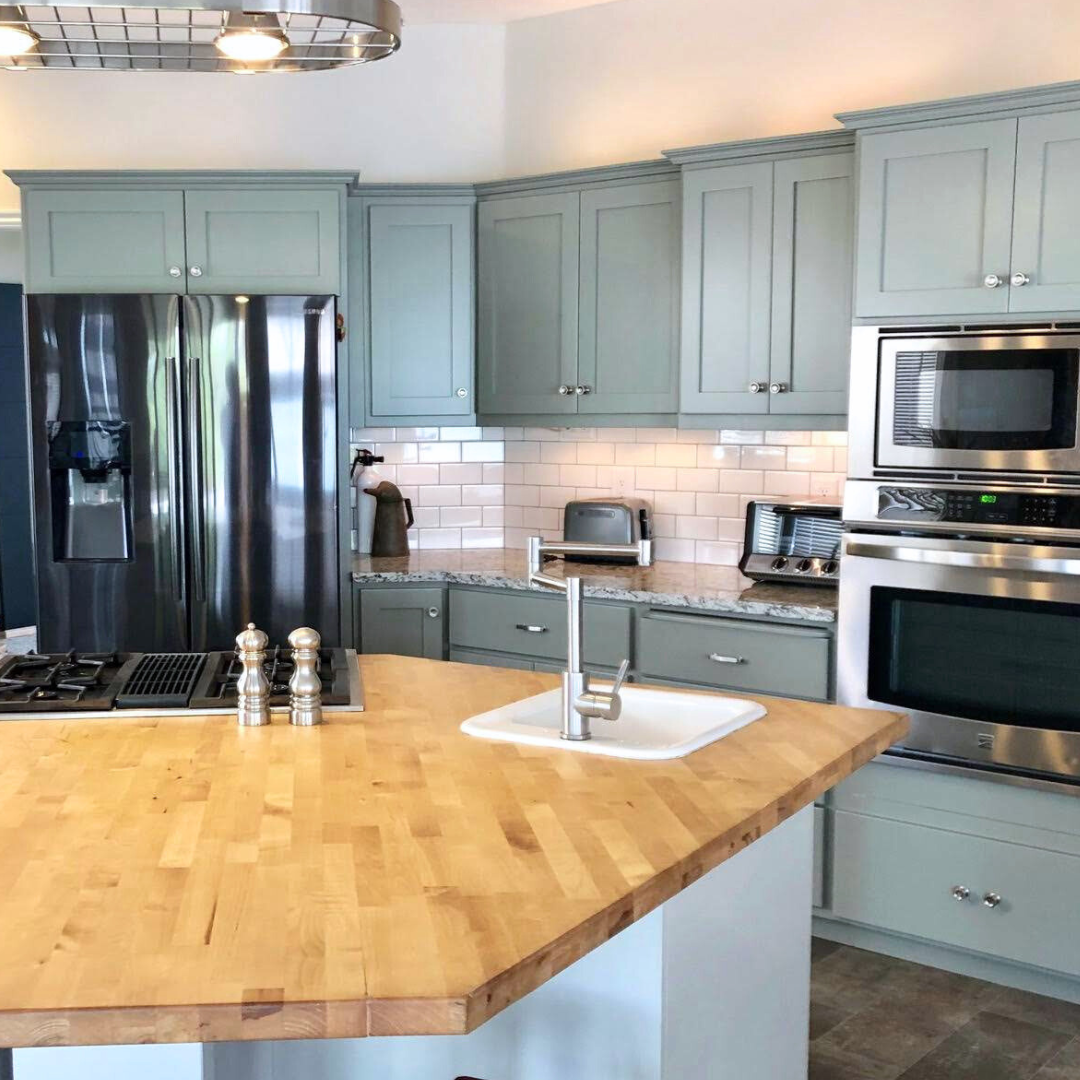
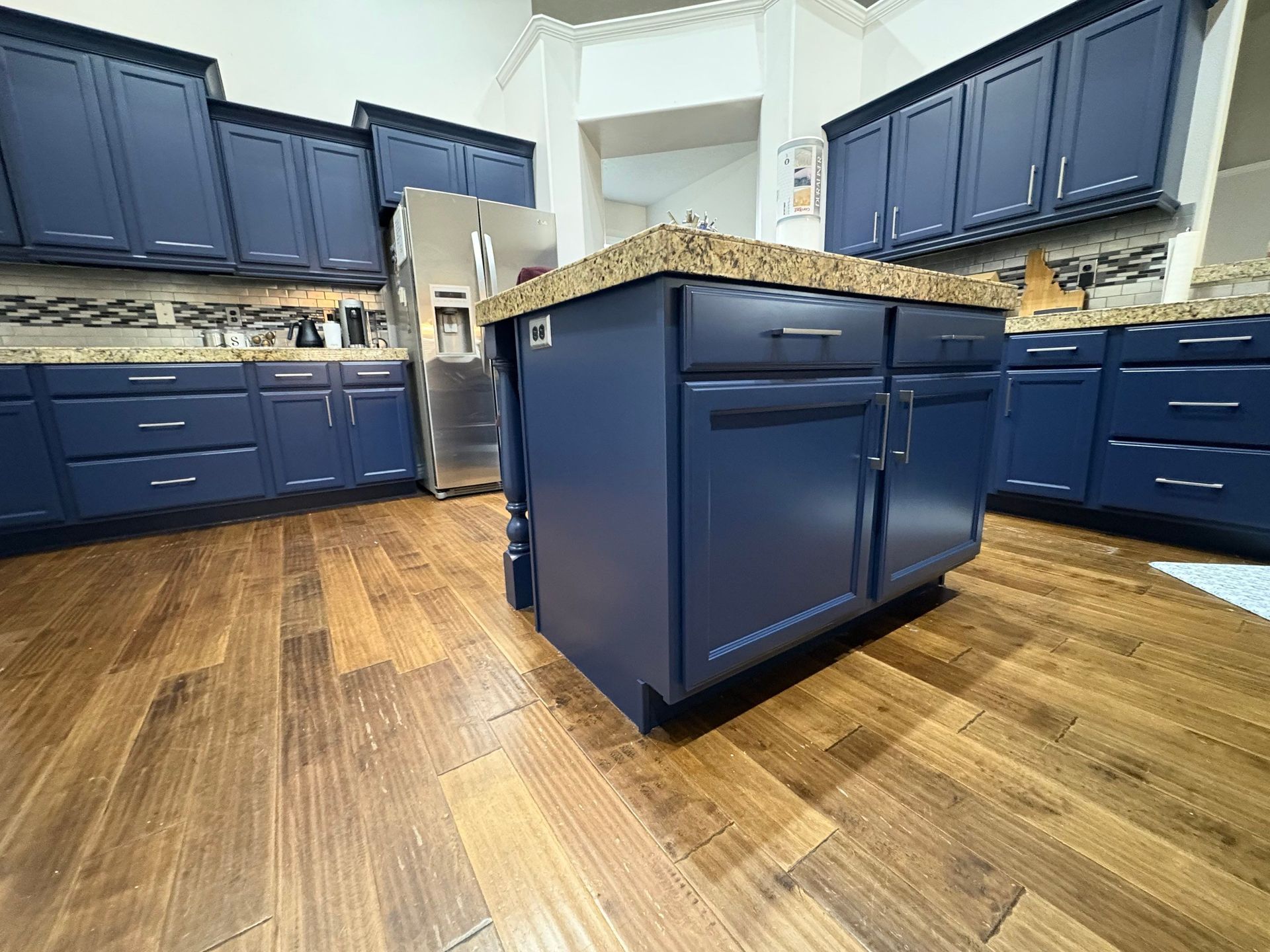
Painted cabinets generally offer more protection, but that doesn’t mean they’re waterproof. When water sits on cabinet surfaces or seeps into seams, even a painted finish can bubble, crack, or separate from the substrate.
Signs of water damage on painted cabinets:
- Bubbling or blistering under the paint
- Peeling or chipping, especially near the sink or dishwasher
- Swollen MDF or particleboard on cabinet bases
- Discoloration or yellowing near moisture-prone areas
The key issue is what's happening beneath the paint. Once water gets in, the wood or composite underneath can begin to expand or break down.
When Is Cabinet Refinishing an Option?
If the damage is mostly on the surface—like bubbling paint, minor swelling, or seam separation—cabinet refinishing is often a great solution. Our team will:
- Sand off damaged finish or paint
- Smooth and repair minor swelling or lifted grain
- Caulk and seal joints that moved due to moisture
- Refinish cabinets using a durable, moisture-resistant coating
If damage is too severe—such as fully saturated cabinet boxes or particleboard that has expanded beyond repair—we’ll walk you through alternative options.
What If My Cabinets Are Too Damaged?
In cases where the integrity of the cabinets has been compromised, repainting may not be the best solution. When that happens, we’ll offer guidance on other options:
- Cabinet refacing (using your existing boxes with new doors and drawer fronts)
- Full cabinet replacement when the structural damage is too extensive
We work directly with several trusted local cabinet companies and will help facilitate and plan this next step with you. From evaluation to execution, we’re here for you every step of the way.
Tips to Prevent Cabinet Water Damage
Cabinet damage often starts small, so catching it early can save you time and money. Here are a few simple prevention tips:
- Wipe up spills immediately, especially around sink bases
- Don’t ignore peeling finish or bubbling paint—it's a warning sign
- Use silicone or caulk to seal gaps where water tends to pool
- Make sure dishwasher seals and sink plumbing are in good shape
- Consider a high-quality cabinet coating that resists moisture and everyday wear
FAQ: Cabinet Water Damage & Refinishing
Can painted cabinets be refinished after water damage?
Yes—most of the time. If the wood beneath the paint is still structurally sound (meaning it’s not extremely swollen or deteriorated), we can sand down any failed finish, repair minor swelling, and refinish the cabinets with a fresh, sealed coating. Seams that shifted due to moisture can also be caulked and sealed. If the cabinet boxes were saturated—especially if they’re made of particle board—and the damage is extensive, replacement may be the better option.
How long does cabinet refinishing take?
A standard-size kitchen usually takes
3 to 5 days to refinish. If your cabinets need a full strip-down before refinishing to a different color, that could add about
2 more days. Smaller projects like bathroom vanities or kitchen islands may be done in as little as 1–2 days. Larger kitchens or homes with multiple rooms (like laundry or bath cabinetry) could take up to two weeks.
At Spray 'n Coat Painting, we’re here to help you get the most life out of your cabinets—whether that means professional cabinet refinishing or helping you navigate next steps with a trusted local cabinet partner.
We offer expert cabinet painting services in Boise, Meridian, Nampa, Eagle, and throughout the Treasure Valley. Contact Spray 'n Coat Painting or fill out a request form to schedule your free on-site estimate today.